Mastering the art of highlighting your top five achievements on your resume is essential for capturing the attention of hiring managers and demonstrating your professional value effectively. This guide provides a comprehensive overview of selecting, structuring, and presenting your most impactful accomplishments to stand out in a competitive job market.
By strategically showcasing quantifiable results, using dynamic language, and organizing content visually, you can craft a compelling resume that not only lists your achievements but also highlights your potential contributions to prospective employers.
Importance of Highlighting Achievements on a Resume

Showcasing professional achievements on a resume plays a crucial role in distinguishing candidates in a competitive job market. While listing job responsibilities provides context to your roles, highlighting specific accomplishments demonstrates your value and the tangible contributions you have made in previous positions. Well-crafted achievement statements serve as proof of your capability to deliver results, making your profile more compelling to potential employers.
Prioritizing achievements relevant to the target role ensures your resume resonates with hiring managers and aligns with their needs. Focusing on accomplishments that directly relate to the skills, experiences, or outcomes the employer seeks increases your chances of catching their attention. This targeted approach not only emphasizes your suitability for the position but also presents you as a strategic thinker who understands the employer’s priorities.
Organizing Achievements for Maximum Impact
Effective organization of achievements involves categorizing accomplishments to highlight your most impressive and relevant contributions clearly. Utilizing a structured format, such as a table, helps present achievements in a concise, easy-to-read manner. This approach ensures that recruiters can quickly grasp your key strengths and the value you bring to the role.
| Achievement Category | Example | Relevance to Role |
|---|---|---|
| Sales & Revenue Growth | Led a sales team to increase regional sales by 30% over 12 months, contributing to an overall revenue boost of $2 million. | Demonstrates leadership, strategic planning, and ability to deliver financial results, critical for sales management roles. |
| Process Improvement | Streamlined customer onboarding process, reducing onboarding time from 7 days to 3 days, which improved customer satisfaction scores by 20%. | Highlights problem-solving skills and efficiency improvements relevant to operational roles. |
| Innovation & Creativity | Developed a new digital marketing campaign that increased online engagement by 50%, resulting in a 15% increase in new client inquiries. | Showcases creativity and marketing expertise, suitable for roles emphasizing digital strategy. |
| Team Leadership | Supervised a team of 10 developers, leading to the successful launch of a mobile app three months ahead of schedule. | Emphasizes leadership, project management, and technical proficiency, valuable for managerial roles. |
Tip: When listing achievements, quantify results wherever possible to provide clear evidence of your contributions.
Selecting the Top 5 Achievements for Your Resume
Choosing the most impactful achievements to feature on your resume is a strategic process that can significantly influence a hiring manager’s perception of your capabilities. Not all accomplishments carry equal weight; therefore, identifying those that best demonstrate your value and align with your career goals is essential. This step ensures your resume remains concise, relevant, and compelling.
By carefully evaluating your achievements based on their potential to impress employers, you can curate a selection that highlights your strengths effectively. Prioritizing accomplishments that showcase quantifiable results not only substantiates your claims but also provides concrete evidence of your contributions. This focused approach allows you to present a powerful narrative of your professional journey, increasing your chances of standing out in a competitive job market.
Criteria for Identifying Most Impactful Achievements
When selecting achievements to include, it is crucial to consider certain key criteria that determine their significance and relevance. These criteria help you distinguish between accomplishments that are merely noteworthy and those that truly demonstrate your potential as a candidate.
- Relevance to the Job Profile: Achievements directly related to the position you are applying for will resonate more with employers, showcasing your suitability for the role.
- Quantifiable Results: Accomplishments backed by measurable data or outcomes provide tangible evidence of your effectiveness. For example, increasing sales by 30%, reducing costs by 20%, or completing a project ahead of schedule.
- Scope and Impact: Consider achievements that had a broad or significant impact within your organization, such as leading a team, launching a successful initiative, or improving processes that benefited multiple departments.
- Innovation and Creativity: Recognitions or accomplishments that involved creative problem-solving or innovative approaches can distinguish you from other candidates.
- Recognition and Awards: Formal acknowledgments, awards, or positive performance reviews add credibility to your achievements.
Procedures for Evaluating Achievements Based on Quantifiable Results
Assessing achievements through a systematic approach that emphasizes measurable outcomes ensures you select those with the highest impact. The following procedures help in objectively evaluating and ranking your accomplishments:
- Gather Data and Evidence: Collect all relevant information, such as sales figures, project completion dates, efficiency metrics, customer satisfaction scores, or cost savings related to each achievement.
- Apply the SMART Criteria: Evaluate whether each achievement is Specific, Measurable, Achievable, Relevant, and Time-bound. Achievements meeting these criteria are more compelling.
- Quantify the Outcomes: Convert accomplishments into concrete numbers or percentages that clearly demonstrate results. For instance, “Led a team to increase revenue by $50,000 over six months.”
- Assess the Significance: Determine the relative importance of each achievement within your career context and the prospective role. Larger-scale or more strategic results should take precedence.
- Prioritize Recent and Relevant Achievements: Focus on accomplishments from recent roles that align with the job you seek, ensuring your resume is current and targeted.
Effective achievement evaluation hinges on the clarity of results and their alignment with your career objectives, enabling you to showcase your most impressive contributions convincingly.
Structuring Achievements in Resume Sections
Effectively organizing your achievements within the appropriate sections of your resume enhances clarity and impact. Proper structuring not only highlights your accomplishments but also guides recruiters through your professional narrative seamlessly. Understanding where and how to present achievements ensures they stand out and resonate with potential employers.
Strategic placement of achievements across various resume sections maximizes their visibility and relevance. Different sections serve distinct purposes, and showcasing achievements appropriately within each can strengthen your overall profile. Employing a clear, organized layout with well-crafted statements and supporting data further elevates your resume’s effectiveness.
Optimal Resume Sections for Showcasing Achievements
Achievements should be prominently displayed in sections where they substantively demonstrate your skills, expertise, and contributions. The most effective sections include:
- Experience: This is the primary area to highlight achievements related to your job roles. Quantifiable accomplishments such as increased sales, improved efficiency, or successful project completions provide concrete proof of your capabilities.
- Summary or Profile: A brief section at the top of your resume can feature a few standout achievements that immediately capture the recruiter’s attention and set the tone for the rest of the document.
- Skills or Core Competencies: While typically listing skills, this section can also incorporate achievements by emphasizing proficiency levels achieved through specific accomplishments.
- Certifications and Awards: Recognitions received for outstanding performance serve as formal validation of your achievements.
To effectively present achievements, integrating a structured layout such as HTML tables can be highly beneficial. This allows you to organize achievements alongside relevant metrics and contextual information, making it easier for recruiters to comprehend the significance of each accomplishment.
Designing a Structured Layout with HTML Tables
A well-designed table provides a clean, organized way to display achievements, supporting details, and metrics side by side. Here is an example of how to structure such a table:
Achievement Context Metrics Led a marketing campaign that increased brand awareness Targeted social media platforms over six months Achieved a 30% increase in followers and a 20% rise in engagement rates Streamlined supply chain processes Implemented new logistics software to reduce delays Reduced delivery times by 15% and cut costs by 10%
Using such tables allows recruiters to quickly grasp the scope and impact of your achievements, especially when combined with concise descriptions. Each row should be crafted to highlight the most relevant details without unnecessary verbosity.
Crafting Concise and Compelling Achievement Statements
Conciseness and clarity are key when writing achievement statements. Effective statements are specific, quantifiable, and result-oriented, making them compelling and memorable. Consider the following principles:
- Start with action verbs: Use dynamic verbs such as “led,” “implemented,” “increased,” or “optimized” to convey your active role.
- Quantify results: Incorporate numbers, percentages, or tangible outcomes to demonstrate the significance of your achievement. For example, “Increased sales revenue by 25% within six months.”
- Provide context: Briefly describe the situation or challenge to give the achievement relevance and scope.
- Keep it concise: Limit each statement to 2-3 lines, focusing on the most impactful aspects without unnecessary detail.
For instance, instead of writing “I helped improve the company’s customer satisfaction,” a more compelling statement would be:
“Implemented a new customer feedback system that increased satisfaction scores by 15% within three months.”
Crafting Effective Achievement Statements

Developing compelling achievement statements is essential to making your resume stand out. These statements should clearly demonstrate your contributions, emphasizing the results and impact of your efforts. Well-crafted achievement statements not only highlight your skills but also provide tangible proof of your capabilities, making a strong impression on potential employers.
Effective achievement statements follow a structured approach that combines action, context, and measurable results. They are concise, targeted, and focus on outcomes rather than just duties. Crafting such statements requires a strategic mindset to translate your experiences into impactful narratives that resonate with hiring managers and applicant tracking systems (ATS).
Steps to Construct Achievement Statements
- Identify Your Key Accomplishments: Reflect on your professional history to pinpoint moments where you made a significant difference. Consider projects completed, goals exceeded, problems solved, or processes improved.
- Use Action-Oriented Language: Begin each statement with a strong action verb that accurately describes your role. This immediately conveys your active involvement.
- Quantify Results: Wherever possible, include numbers, percentages, or other measurable data that illustrate the magnitude of your achievements. Quantification adds credibility and clarity.
- Highlight Impact: Focus on the benefits your achievements brought to the organization—cost savings, revenue growth, efficiency improvements, or customer satisfaction.
- Be Concise and Specific: Keep statements brief but informative. Avoid vague descriptions; instead, aim for clarity and specificity.
For example, instead of stating “Improved sales,” craft a statement like “Increased regional sales by 25% over six months through targeted marketing campaigns.”
Examples of Well-Written Achievement Bullet Points
Below are examples illustrating how to combine action, result, and impact effectively:
| Achievement Statement | Context/Details |
|---|---|
| Led a team of 10 in implementing a new CRM system, resulting in a 30% reduction in customer response time. | Project management and team leadership in technology upgrade at XYZ Corporation. |
| Developed a training program that increased employee productivity by 15% within three months. | Training and development initiative in a retail environment. |
| Streamlined inventory processes, reducing waste by 20% and saving $50,000 annually. | Operational efficiency improvement in manufacturing operations. |
| Secured new contracts worth over $1 million by expanding client base in key markets. | Business development and client acquisition for a consulting firm. |
| Designed and launched a social media campaign that increased brand engagement by 40%. | Marketing efforts for a startup aiming to boost online presence. |
Incorporating Action Verbs and Strong Language

Effectively communicating achievements on a resume requires more than just listing responsibilities; it demands the use of dynamic language that captures attention and showcases your contributions compellingly. Incorporating strong action verbs and powerful language transforms ordinary statements into impactful narratives that highlight your skills, initiative, and results. This approach not only elevates the quality of your resume but also resonates more effectively with hiring managers and applicant tracking systems, increasing your chances of standing out in competitive job markets.Using vibrant, action-oriented language emphasizes your proactive role and conveys confidence.
It shifts the focus from passive descriptions to assertive statements that demonstrate your capabilities and accomplishments vividly. When carefully selected, strong language helps create a narrative of someone who takes initiative, solves problems, and delivers measurable results. Without such language, even significant achievements may appear bland or unconvincing, reducing their impact.
Importance of Dynamic Language in Achievement Statements
Utilizing dynamic language in achievement statements is crucial for making your accomplishments compelling and memorable. Action verbs serve as the backbone of this approach, initiating each achievement with a clear, assertive word that vividly describes your role. For instance, replacing “was responsible for managing a team” with “led a team of 10 members to develop innovative marketing strategies” creates a more engaging and powerful statement.
Dynamic language demonstrates confidence and clarity, two qualities highly valued by employers.Moreover, strong language helps quantify your achievements, making them more credible and persuasive. It effectively communicates the scope of your responsibilities and the magnitude of your successes, turning vague descriptions into concrete evidence of your capabilities. This practice ensures your resume not only lists tasks but also narrates a compelling story of your professional growth and contributions.
Powerful Action Verbs Suitable for Resume Achievements
Choosing the right action verbs is fundamental to crafting impactful achievement statements. The following categorized list provides a comprehensive selection of powerful verbs that can be tailored to different types of accomplishments:
| Leadership & Management | Innovation & Creativity | Execution & Delivery | Analysis & Problem Solving |
|---|---|---|---|
| Led, Directed, Managed, Supervised, Coordinated, Orchestrated, Mentored | Innovated, Designed, Developed, Conceptualized, Created, Initiated, Pioneered | Implemented, Executed, Delivered, Facilitated, Coordinated, Accelerated, Achieved | Analyzed, Resolved, Diagnosed, Optimized, Evaluated, Troubleshot, Investigated |
Additional examples include:
Achieved, Boosted, Increased, Reduced, Enhanced, Streamlined, Expanded, Secured, Negotiated, Generated, Researched, Improved.
Strong action verbs energize achievement statements, making them resonate with clarity and confidence.
Guidelines for Avoiding Passive Voice and Vague Descriptions
To maximize the impact of achievement statements, it is essential to avoid passive constructions and vague descriptions. Passive voice can diminish the perceived initiative and assertiveness of your accomplishments, making them less compelling. Instead, use active voice to clearly identify yourself as the agent of change or achievement.For example, instead of writing, ” The project was successfully completed by the team.“, rephrase to ” Led the team to successfully complete the project ahead of schedule.“. This direct approach highlights your leadership and initiative.Vague descriptions such as “improved sales” lack specificity and fail to demonstrate the extent of your contribution.
To enhance clarity, quantify results whenever possible—use metrics, percentages, or concrete outcomes. For example, “Increased sales revenue by 25% within six months by implementing targeted marketing strategies.” Such statements are precise, quantifiable, and impactful.When crafting achievement statements:
- Begin with a powerful action verb.
- Specify your role and contribution clearly.
- Include measurable results or outcomes.
- Avoid filler words and overly generic phrases.
By adhering to these guidelines, your achievement statements will become more persuasive and demonstrate your value effectively to prospective employers.
Visual Presentation and Formatting Tips

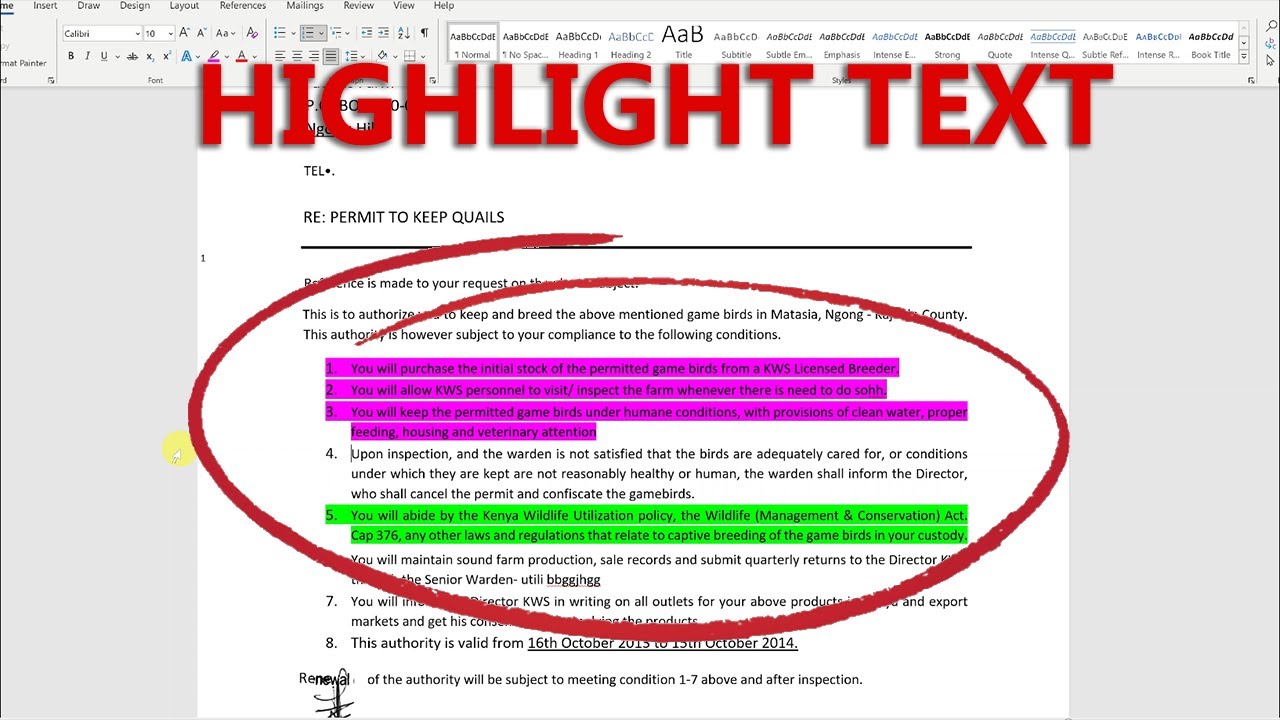
Presenting your achievements effectively is crucial to capturing the attention of hiring managers and making your resume stand out. Visual presentation not only enhances readability but also emphasizes your accomplishments, ensuring they catch the eye quickly. Proper formatting techniques help organize information clearly, making it easier for recruiters to assess your suitability at a glance.Effective visual presentation involves strategic use of formatting elements such as bullet points, bold text, spacing, and tables.
These tools help highlight key achievements, improve overall readability, and create a professional appearance. When combined thoughtfully, they ensure your top achievements are easily identifiable and memorable.
Emphasizing Achievements Visually
While the content of your achievements is paramount, how you visually present them significantly impacts their effectiveness. Use consistent formatting to create a clean, organized look. Incorporate white space around sections and between achievements to prevent clutter and guide the reader’s eye naturally through your accomplishments.Bold important s or phrases within achievement statements to draw attention to critical skills or results.
For instance, emphasizing numbers or action verbs can make achievements stand out. Use visual cues like icons or color accents sparingly to highlight particular sections, but avoid overdoing it, which can distract from the overall professionalism of the resume.
HTML Table Snippets for Readability
Tables can be an excellent way to organize achievements, especially when presenting quantitative data, timelines, or comparisons. They facilitate quick scanning and help delineate information neatly. Below is an example HTML snippet illustrating how to structure achievements within a table:
| Achievement | Details |
|---|---|
| Increased Sales Revenue | Boosted regional sales by 30% over six months through targeted marketing campaigns. |
| Project Management | Led a team of 10 to complete a product launch two weeks ahead of schedule, resulting in early revenue realization. |
Using Bullet Points, Bolding, and Spacing for Impact
Bullet points are one of the most effective tools for presenting achievements clearly and concisely. They break down complex information into digestible, easy-to-scan lines, which is essential in a resume where quick impression matters. Each achievement should start with a strong action verb, followed by quantifiable results or specific contributions, formatted as bullet points to enhance focus.Bolding key phrases or metrics within your achievement statements further emphasizes your impact.
For example, highlighting percentages, dollar amounts, or awards can catch the recruiter’s eye immediately. Proper spacing between sections and achievements ensures the resume does not appear cluttered and that each accomplishment stands out distinctly.Here’s an example illustrating these formatting techniques:
- Streamlined customer onboarding process, reducing setup time by 25% and improving client satisfaction scores.
- Developed a training program that increased team productivity by 15% within three months.
Applying these visual presentation and formatting best practices will significantly enhance the readability and appeal of your resume, ensuring your top achievements are effectively communicated and remembered by potential employers.
Ultimate Conclusion
Incorporating your top five achievements thoughtfully into your resume can significantly enhance your chances of securing your desired role. Focus on clarity, impact, and presentation to ensure these accomplishments leave a lasting impression. Remember, a well-structured achievement section can set you apart and open doors to new career opportunities.