Experiencing rejection after a second interview can be a challenging and emotional moment in your job search journey. Understanding how to navigate this setback with confidence and resilience is essential for maintaining your motivation and paving the way for future success.
This guide offers practical insights into processing feelings of disappointment, analyzing the reasons behind the rejection, and developing effective strategies to respond professionally. By embracing constructive feedback and enhancing your skills, you can turn setbacks into opportunities for growth and ultimately achieve your career goals.
Understanding the Emotional Impact of Job Rejection After the 2nd Interview

Experiencing rejection after a second interview can evoke a range of emotional responses, often leaving candidates feeling disappointed, frustrated, or even questioning their abilities. Recognizing these feelings as natural and common reactions is essential in maintaining emotional resilience during the job search process. Processing such emotions thoughtfully can help individuals regain confidence and stay motivated to pursue future opportunities.
It is important to approach rejection as a normal part of professional growth, rather than a personal failure. Through mindful strategies, individuals can transform their initial disappointment into valuable insights that inform their ongoing career development. Maintaining mental well-being during this period involves acknowledging emotions, practicing self-care, and fostering a forward-looking perspective that emphasizes future possibilities rather than past setbacks.
Common Emotional Reactions Following a Second Interview Rejection
After receiving news of rejection post-second interview, many candidates experience a combination of emotional responses that can influence their subsequent behavior and mindset. Understanding these reactions provides clarity and helps in developing effective coping mechanisms.
- Disappointment: Feelings of letdown and frustration are typical when expectations are not met, especially after investing significant time and effort into the interview process.
- Self-Doubt: Questioning one’s abilities, skills, or suitability for the role can arise, leading to decreased confidence.
- Anger or Frustration: Some may feel irritated at the perceived unfairness or lack of transparency in the hiring process.
- Resignation or Hopelessness: Repeated rejections might cause a sense of despair about future prospects, impacting motivation.
- Relief: In some cases, candidates may feel relieved if they recognize the role or company wasn’t the right fit for their career goals.
Steps to Process Feelings of Disappointment and Maintain Mental Well-Being
Addressing emotional reactions constructively involves deliberate actions that promote mental clarity, resilience, and emotional health. Implementing these steps can aid in overcoming disappointment and preventing it from adversely affecting future endeavors.
- Acknowledge Emotions: Accept feelings of disappointment without judgment. Recognize that emotional responses are natural and temporary, which helps in reducing their intensity.
- Practice Self-Compassion: Treat yourself with kindness and understanding, avoiding self-criticism. Remind yourself of your strengths and past successes.
- Reflect Constructively: Analyze any feedback received and identify areas for growth. Use setbacks as opportunities for learning and improvement.
- Maintain Routine and Self-Care: Engage in activities that promote well-being, such as regular exercise, healthy eating, adequate sleep, and mindfulness practices.
- Seek Support: Share feelings with trusted friends, mentors, or career coaches who can provide encouragement and perspective.
Strategies to Shift Focus from Rejection to Future Opportunities
Adopting a proactive mindset is crucial in transforming rejection into motivation for future success. The following strategies help redirect energy towards productive pursuits and open doors to new opportunities.
- Reframe the Rejection: View the rejection as a redirection rather than a setback. Recognize that each experience offers valuable insights that can enhance future applications.
- Set New Goals: Establish specific, achievable objectives for your job search or professional development. This renews focus and provides a sense of purpose.
- Update Skills and Qualifications: Use the time to acquire new competencies or certifications that increase marketability and confidence.
- Expand Networking Efforts: Engage with industry professionals through events, online platforms, or informational interviews to discover new opportunities.
- Maintain a Positive Outlook: Practice gratitude and celebrate small achievements to foster resilience and optimism, reinforcing the belief that better opportunities are ahead.
“Every rejection is a step closer to the right opportunity—embrace it as part of your growth journey.”
Analyzing the Reasons Behind the Rejection
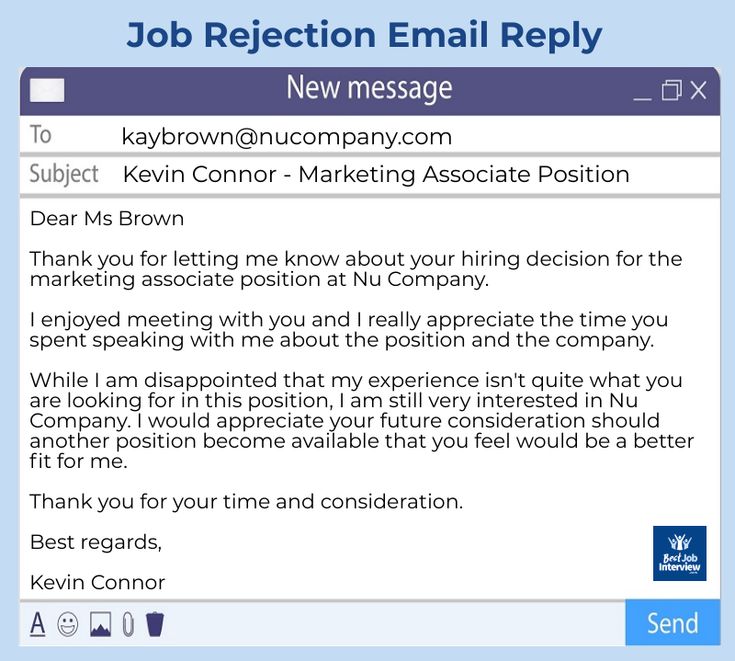
Understanding why a job application was unsuccessful after the second interview is a crucial step toward personal growth and future success. It allows candidates to identify specific areas for improvement, refine their approach, and better align themselves with employer expectations. Objectively analyzing the rejection helps transform a setback into a constructive learning experience, ensuring that subsequent applications are more targeted and effective.When reflecting on potential reasons for rejection, it’s important to approach the process with honesty and a mindset geared toward growth.
Many candidates find it useful to compare their self-assessment with any feedback received, whether explicit or implicit. Recognizing patterns or recurring themes in past rejections can highlight particular weaknesses or gaps, such as skills, experience, presentation, or cultural fit. This analysis should be grounded in facts rather than assumptions, enabling a clear understanding of what might have influenced the employer’s decision.To assist with this process, compiling a list of common causes for rejection and methods to identify personal areas for improvement can be highly beneficial.
Additionally, understanding typical employer feedback and how to interpret it constructively can provide valuable insights for future applications.
Common Causes of Job Rejection After the Second Interview
Many rejections stem from factors that are often within a candidate’s control or based on specific employer priorities. Recognizing these can help candidates evaluate their performance objectively.
- Lack of Specific Skills or Experience: The candidate may not possess certain technical skills or industry experience deemed essential for the role. To identify this, review the job description carefully and compare it with your background. Feedback or cues during the interview, such as questions highlighting skill gaps, can also provide insight.
- Interpersonal or Cultural Fit Concerns: Employers often look for candidates who align with their company culture or team dynamics. Reflect on whether your communication style, values, or attitude may have seemed mismatched. Feedback from interviewers or subtle cues during interactions can help assess this aspect.
- Inadequate Preparation or Presentation: Insufficient knowledge about the company, its products, or the role can signal a lack of genuine interest or preparation. Evaluate your research process and whether you effectively demonstrated your enthusiasm and understanding during the interview.
- Overqualification or Underqualification: Sometimes, employers reject candidates they perceive as overqualified due to concerns about retention, salary expectations, or adaptability. Conversely, underqualification can be evident if responses to technical questions reveal gaps.
- Competition: The position may have attracted many highly qualified candidates, and your profile might not have stood out sufficiently. Recognizing this helps focus on unique strengths or niche skills to highlight in future applications.
Identifying Personal Areas for Improvement
Reflecting objectively requires a thorough assessment of one’s interview performance and background. Candidates can employ the following methods:
- Self-Review of Interview Performance: Recall the questions asked, your answers, and how confidently you responded. Were there moments of hesitation or uncertainty? Did you effectively communicate your value proposition?
- Matching Skills with Job Requirements: Cross-reference your skills and experience with the job specifications. Identify areas where you might lack proficiency or depth and seek targeted development through courses, workshops, or practical projects.
- Soliciting Constructive Feedback: When possible, request polite feedback from interviewers or HR representatives. Even general insights about your interview style or qualifications can reveal significant improvement opportunities.
- Analyzing Rejection Letters or Emails: Some companies share reasons for rejection explicitly. Carefully analyze such communication to extract actionable points.
- Benchmarking Against Successful Candidates: Research profiles of candidates who secured similar roles. Identify skills, experiences, or qualities they possess that you might need to develop further.
Interpreting Employer Feedback Constructively
Employer feedback, whether direct or inferred, offers a valuable lens into how your profile aligns with organizational needs. Proper interpretation of this feedback facilitates targeted development.
“Feedback is a gift that guides your next steps toward career advancement.”
Constructively analyzing employer feedback involves recognizing patterns and differentiating between subjective impressions and objective criteria. For example, if multiple interviewers mention a need for stronger technical skills, prioritize technical training or certifications. If feedback points to cultural fit concerns, assess whether your workplace preferences align with the company’s environment or consider developing soft skills such as adaptability and teamwork.In cases where feedback is vague, focus on self-assessment and seek clarification respectfully, emphasizing your eagerness to learn and improve.
Remember, rejection feedback often reflects the specific context of a particular role and organization and may not entirely define your overall professional potential.Analyzing the reasons behind a second-interview rejection with a balanced and open mindset equips you with the insights necessary to refine your approach. This process transforms setbacks into opportunities for growth, helping you build a stronger, more tailored profile for future opportunities.
Improving for Future Opportunities

Facing a job rejection after the second interview presents an opportunity to refine your approach and enhance your qualifications for future roles. By analyzing the feedback and understanding areas for growth, you can strategically position yourself for upcoming opportunities. Developing a clear plan to improve skills, expand your network, and tailor your applications can significantly increase your chances of success in subsequent interviews and job searches.
Implementing a structured approach to self-improvement not only boosts your confidence but also demonstrates your resilience and commitment to professional growth. Focusing on targeted development and strategic preparation ensures that each application and interview experience brings you closer to your career goals.
Assessing and Enhancing Skills and Qualifications
To increase your competitiveness for future roles, it is essential to identify specific skill gaps or qualifications that may have contributed to the rejection. A thoughtful evaluation of feedback, job descriptions, and industry trends can help pinpoint areas for improvement. Once identified, creating a structured plan to acquire or strengthen these skills can make a significant difference.
| Strategy | Implementation | Expected Outcome |
|---|---|---|
| Enroll in relevant courses | Register for online platforms such as Coursera, Udemy, or LinkedIn Learning that offer courses tailored to your industry or skill gaps. | Gaining up-to-date knowledge and demonstrating a commitment to continuous learning. |
| Attend workshops and seminars | Participate in industry-specific workshops, webinars, and seminars to acquire practical skills and stay informed about industry trends. | Networking opportunities and hands-on experience that enhance your professional profile. |
| Seek certifications | Pursue recognized certifications that validate your expertise in key areas, such as project management, data analysis, or digital marketing. | Improved credibility and increased appeal to prospective employers. |
| Develop soft skills | Engage in activities that strengthen communication, teamwork, and problem-solving abilities, such as volunteering or team projects. | Enhanced interpersonal skills that are highly valued during interviews and in the workplace. |
Utilizing Resources for Growth
Accessing the right resources can accelerate your skill development and expand your professional network. Several avenues are available to support your growth trajectory:
- Online Learning Platforms: Websites like Coursera, Udemy, LinkedIn Learning, and edX provide a wide array of courses across industries and skill levels, often with certification options.
- Industry Conferences and Networking Events: Attending local or virtual industry-specific events facilitates connections with professionals and potential mentors, providing insights and opportunities.
- Community and Professional Groups: Joining groups on platforms such as LinkedIn, Meetup, or industry associations allows ongoing learning and access to exclusive job postings or workshops.
- Mentorship Programs: Seeking mentorship from experienced professionals can offer personalized guidance, feedback, and encouragement tailored to your career path.
Tailoring Future Applications and Interview Preparation
Adapting your application materials and interview strategies based on insights gained from previous attempts is crucial for success. Customizing your resume and cover letter to align with each job description highlights your relevant skills and experience. Emphasizing specific accomplishments and using s from the job posting can improve your chances of passing applicant tracking systems.
Preparing thoroughly for interviews involves researching the company’s culture, values, and recent developments. Practicing responses to common interview questions, especially those related to areas you identified as weaknesses, can boost your confidence and performance. Conducting mock interviews with friends or career coaches can provide constructive feedback and help refine your delivery.
“Continuous improvement and targeted preparation are the keys to transforming rejection into a stepping stone for future success.”
Developing Resilience and Confidence for Next Applications
Overcoming job rejection after the second interview can be a challenging experience that tests one’s emotional endurance and belief in oneself. Building resilience and maintaining confidence are essential steps to turn setbacks into opportunities for growth. Cultivating a resilient mindset enables candidates to view rejection not as an endpoint but as a valuable learning experience that paves the way for future success.
Developing these qualities ensures sustained motivation and prepares individuals to approach subsequent applications with renewed vigor and optimism.
By adopting specific exercises and mindset shifts, job seekers can reinforce their inner strength, enhance their adaptability, and foster a positive outlook. This proactive approach not only minimizes the emotional toll of rejection but also builds a foundation for resilience that benefits all areas of professional development and future job searches.
Methods to Build Resilience After Rejection
Building resilience involves both mental exercises and practical strategies that help individuals process setbacks constructively. Engaging in consistent practices can transform the perception of rejection from a personal failure to an opportunity for growth.
- Reframe Negative Thoughts: Practice identifying and challenging negative self-talk by replacing it with positive affirmations. For example, replacing “I’m not good enough” with “This is a learning opportunity, and I can improve.”
- Set Small, Achievable Goals: Break down the job search into incremental steps, such as refining your resume or practicing interview responses. Achieving these smaller targets fosters a sense of progress and control.
- Practice Mindfulness and Meditation: Incorporate mindfulness exercises to enhance emotional regulation. Regular meditation helps reduce anxiety and promotes clarity of thought, making setbacks easier to manage.
- Reflect and Learn: Analyze each rejection to identify specific areas for improvement without self-criticism. Maintain a journal to track progress, noting lessons learned and milestones achieved.
Techniques for Maintaining Motivation and Confidence
Sustaining motivation and confidence during a prolonged job search can be challenging, especially after multiple setbacks. Implementing specific techniques helps maintain a positive outlook and steady momentum.
- Celebrate Small Wins: Recognize and reward progress, such as completing a networking conversation or updating your portfolio. Celebrating these achievements boosts morale.
- Visualize Success: Create a mental image of career goals being realized, which reinforces motivation and creates a sense of purpose. Regular visualization sessions can bolster confidence and focus.
- Seek Support Networks: Engage with professional communities, mentors, or career coaches who can offer encouragement, feedback, and alternative perspectives. Sharing experiences alleviates feelings of isolation.
- Maintain Routine and Self-care: Keep a structured daily routine that includes physical activity, healthy eating, and adequate rest. Well-being directly influences resilience and confidence levels.
Proactive versus Reactive Approaches to Setbacks
Understanding the difference between proactive and reactive strategies in handling setbacks enables job seekers to adopt more effective responses, fostering resilience and a growth mindset.
| Proactive Approaches | Reactive Approaches |
|---|---|
|
|
By adopting proactive methods, job seekers can influence their career trajectory positively, turning setbacks into stepping stones. Conversely, reactive approaches often lead to stagnation and diminished confidence, underscoring the importance of deliberate, constructive responses to job rejection.
Practical Tips for Handling Rejection During Job Search Journey
Facing rejection after a second interview can be discouraging, but it also provides an opportunity to refine your approach and strengthen your resilience. Implementing practical strategies can help you maintain a positive outlook, learn from each experience, and stay motivated throughout your job search journey. These tips focus on fostering a balanced routine, leveraging rejection as a growth opportunity, and seeking valuable support from mentors or career professionals.
By adopting these strategies, you can turn setbacks into stepping stones towards your career goals, ensuring that each rejection enhances your skills, confidence, and preparedness for future opportunities.
Maintaining a Healthy Routine and Stress Management
Consistently managing stress and maintaining a healthy lifestyle are crucial components of sustaining motivation and mental well-being during a challenging job search. The emotional toll of rejection can lead to fatigue, decreased self-esteem, and burnout if not properly addressed.
- Establish a structured daily schedule that includes dedicated time for job searching, skill development, relaxation, and physical activity. Consistent routines foster a sense of normalcy and control.
- Practice mindfulness techniques such as meditation, deep breathing exercises, or yoga to reduce anxiety and promote mental clarity. Even a few minutes daily can significantly improve mood and focus.
- Prioritize regular physical activity, whether through walking, gym sessions, or outdoor sports. Exercise releases endorphins, natural mood boosters, helping to alleviate stress and maintain energy levels.
- Ensure adequate sleep, balanced nutrition, and hydration to support overall health. A well-nourished body and mind are better equipped to handle emotional challenges and stay resilient.
Implementing these practices creates a supportive environment that nurtures your well-being, empowering you to face each setback with renewed strength and optimism.
Utilizing Rejection as a Learning Experience with Step-by-Step Procedures
Transforming rejection into a constructive learning opportunity involves a deliberate and systematic approach. This process enables you to identify areas for improvement, adapt your strategies, and enhance your chances of success in future applications.
- Reflect on Feedback and Your Performance: Review any feedback received and evaluate your interview responses, presentation, and overall impression. Be honest about areas where you can improve.
- Identify Specific Skills or Gaps: Determine if gaps in your knowledge, experience, or soft skills may have contributed to the rejection.
- Set Targeted Improvement Goals: Develop clear objectives to address identified weaknesses, such as enhancing technical skills, practicing interview techniques, or refining your personal branding.
- Seek Resources and Learning Opportunities: Enroll in relevant courses, attend workshops, or participate in networking events to build competence and confidence.
- Simulate Interviews and Practice Responses: Conduct mock interviews with peers, mentors, or career coaches to refine your communication style and reduce nervousness.
- Implement Changes and Track Progress: Apply the insights gained and monitor your performance in subsequent interviews, adjusting your approach as needed.
“Rejection is merely a redirection, a course correction that guides you towards the right opportunity.”
Seeking Support from Mentors or Career Counselors
The guidance and encouragement of experienced mentors or professional career counselors can significantly influence your job search trajectory. Their insights provide valuable perspective, emotional support, and strategic advice tailored to your unique circumstances.
- Identify Trusted Mentors or Counselors: Reach out to industry professionals, alumni, or career services affiliated with your educational background who can offer constructive feedback and encouragement.
- Share Your Experiences and Challenges: Be open about your setbacks to gain personalized advice, reassurance, and new strategies for moving forward.
- Leverage Their Industry Knowledge: Utilize their insights into market trends, skill requirements, and interview expectations to better prepare for future opportunities.
- Develop an Action Plan: Collaborate with mentors or counselors to create a tailored plan for skill enhancement, networking, and interview preparation.
- Maintain Regular Communication: Keep in touch for ongoing support, motivation, and updates on job market developments, ensuring sustained momentum in your job search efforts.
Engaging with experienced professionals not only accelerates your learning curve but also instills confidence and resilience, vital for overcoming setbacks and achieving your career aspirations.
Last Recap

In conclusion, handling job rejection after a second interview requires a balanced approach of self-reflection, resilience, and proactive improvement. By maintaining a positive outlook and applying the strategies Artikeld, you can strengthen your prospects for future opportunities and continue progressing toward your desired career path.