Organizing five interviews within a single week requires meticulous planning and efficient time management. By implementing strategic scheduling techniques, you can ensure a smooth and productive process for both candidates and interviewers.
This guide explores comprehensive methods to structure your interview timetable, prepare all participants, manage different interview formats, and maintain high energy levels throughout a busy week. Leveraging digital tools and clear communication strategies can significantly streamline your scheduling efforts.
Planning and Time Management Strategies for Scheduling 5 Interviews in One Week
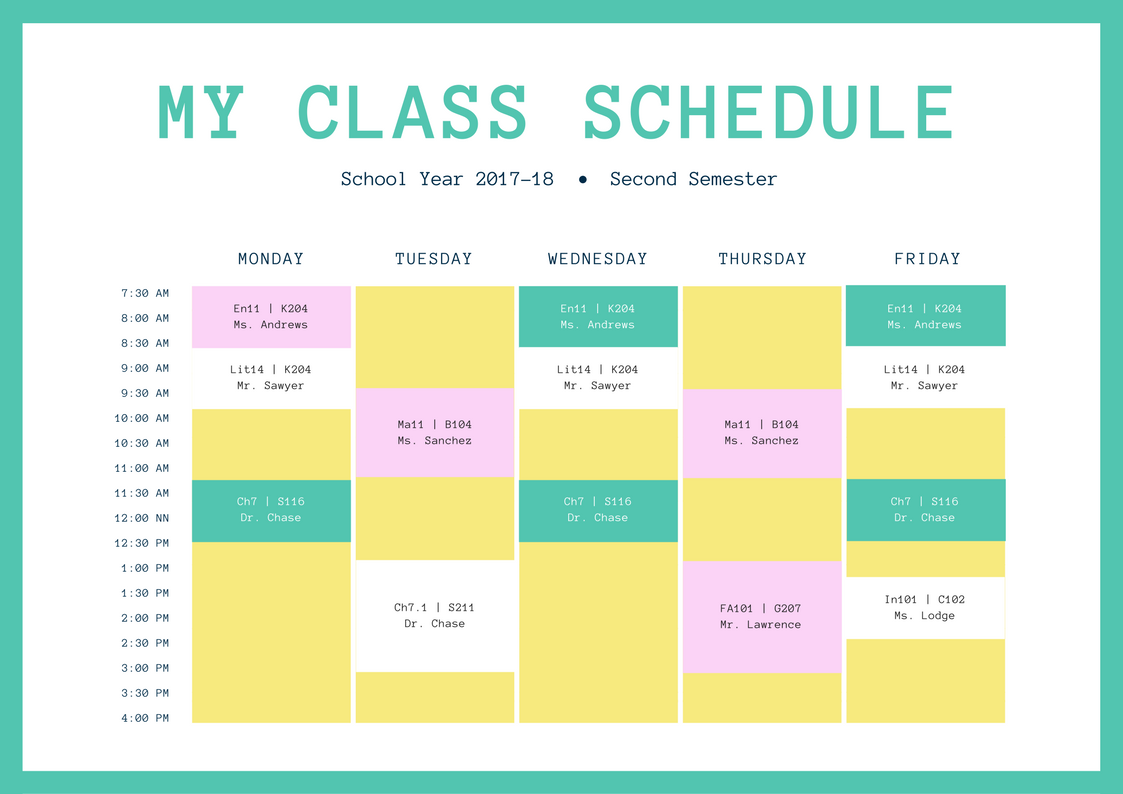
Efficiently organizing five interviews within a single week requires meticulous planning and effective time management. Employing strategic scheduling tools and clear processes ensures that each interview is allocated sufficient time while maintaining flexibility for unforeseen adjustments. Proper coordination minimizes overlaps and maximizes productivity for both interviewers and candidates.
Implementing a structured approach involves selecting appropriate digital tools, setting priorities, and establishing a step-by-step timetable. This systematic method helps in balancing the workload, avoiding scheduling conflicts, and ensuring a smooth interview process throughout the week.
Utilizing Digital Calendars and Scheduling Tools
Adopting digital calendars such as Google Calendar, Microsoft Outlook, or specialized scheduling platforms like Calendly streamlines the process of organizing multiple interviews. These tools offer real-time updates, automatic reminders, and easy sharing capabilities, which are crucial when coordinating with multiple candidates and team members.
To maximize efficiency, create dedicated calendar slots for each interview, color-code sessions based on status or interviewer, and enable notifications for upcoming appointments. Integrating scheduling tools with email systems can also facilitate automatic confirmations and follow-ups, reducing manual effort and minimizing scheduling errors.
Step-by-Step Process for Allocating Interviews
Establishing a clear timetable is vital for managing multiple interviews within a constrained timeframe. The following step-by-step process guides effective scheduling:
- Determine Candidate Availability: Contact candidates in advance to identify preferred time slots, allowing for flexible options within the week.
- Define Time Blocks: Allocate specific blocks for each interview, typically 30 to 60 minutes, depending on the interview type.
- Prioritize and Sequence: Arrange interviews based on candidate availability, urgency, or department needs, ensuring high-priority candidates are scheduled first.
- Block Out Buffer Periods: Include short breaks between interviews for preparation, unforeseen delays, or debriefing.
- Finalize and Confirm: Send calendar invites promptly, requesting confirmation from candidates and interviewers to prevent overlaps or miscommunications.
Adhering to this process helps in maintaining a balanced schedule, reducing stress, and ensuring all interviews are conducted effectively within the tight timeframe.
Comparison of Scheduling Options
Different scheduling strategies offer various advantages depending on organizational needs and stakeholder flexibility. The following table compares four common options:
| Scheduling Method | Advantages | Disadvantages | Ideal Use Case |
|---|---|---|---|
| Manual Scheduling via Digital Calendar | Full control over timings, easy to customize, no additional costs | Time-consuming, prone to human error, less efficient with multiple participants | Small teams or limited number of interviews |
| Automated Scheduling Tools (e.g., Calendly, Doodle) | Streamlines booking process, sends automatic reminders, reduces overlaps | May require subscriptions, limited customization in free versions | Organizations with high volume of interviews or multiple stakeholders |
| Batch Scheduling on Specific Days | Reduces setup time, creates a consistent workflow, facilitates focused preparation | Less flexibility for candidates with tight schedules, potential for overload on certain days | Scheduling multiple interviews with similar availability or within team-focused sessions |
| Staggered Daily Slots | Distributes workload evenly, allows daily focus, accommodates varying candidate availability | Requires diligent management, risk of gaps or overlaps if not carefully coordinated | Organizations with diverse candidate schedules or multiple interviewers |
Managing Multiple Interview Formats and Platforms
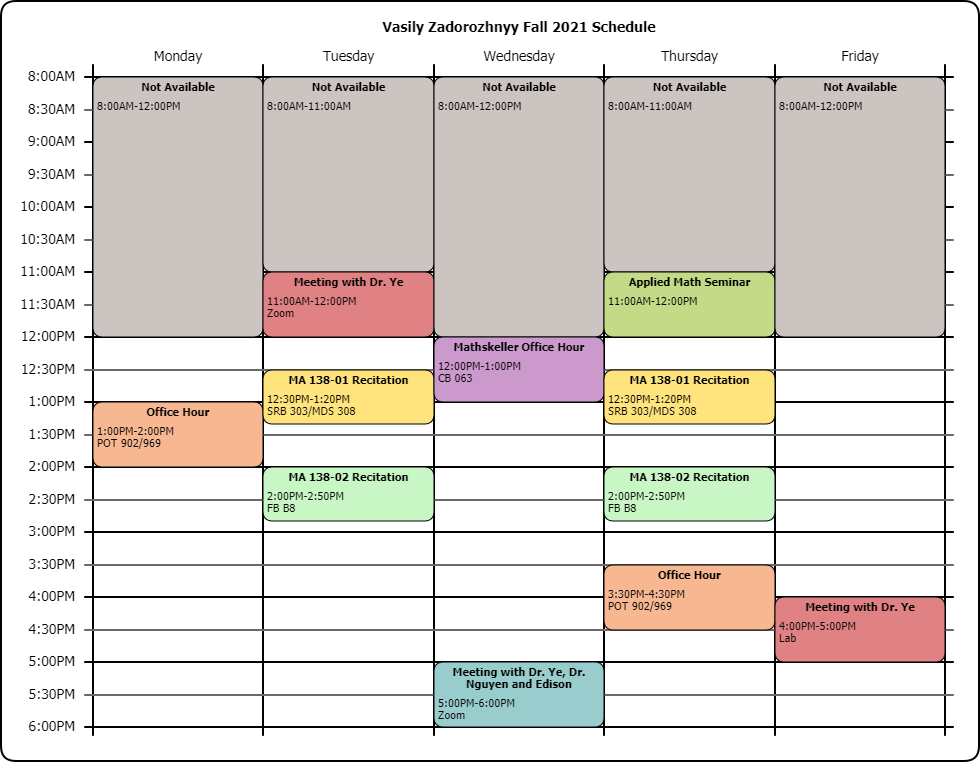
Effectively organizing interviews across various formats within a constrained timeframe demands careful planning and adaptability. Whether conducting video calls, phone interviews, or in-person meetings, it’s essential to streamline processes to ensure each session runs smoothly and efficiently. Developing a clear understanding of the unique requirements of each format helps in preparing the necessary tools and minimizing potential disruptions during the interview week.
Switching between different interview platforms swiftly and seamlessly is crucial to maintaining professionalism and reducing stress. This involves establishing standardized procedures, testing technology beforehand, and having contingency plans in place. A well-structured approach allows interviewers and candidates to focus on the quality of the interaction rather than technical or logistical issues.
Organizing Interviews Across Various Formats
To manage multiple interview formats effectively, create a detailed schedule that assigns specific time slots for each type of interview—video, phone, or in-person. Group similar formats together to reduce context switching and optimize preparation time. For instance, scheduling all video interviews consecutively allows for consistent environment setup and minimizes the need to switch devices or locations repeatedly. Clear communication with candidates about the format and any technical requirements enhances punctuality and readiness.
Strategies for Switching Between Interview Platforms
Ensuring smooth transitions between different interview platforms requires proactive steps. Test all necessary equipment and software before the interviews commence to identify and resolve potential issues. Maintain a checklist for each platform, including login credentials, link accessibility, and backup options such as phone numbers or alternative video conferencing tools. Keeping all relevant information readily available minimizes delays and confusion. Additionally, familiarize yourself with troubleshooting common technical problems to address them promptly if they arise during scheduled interviews.
Procedural Differences and Tools Required for Each Format
Understanding the key procedural differences between interview formats helps tailor preparation and execution strategies. The table below provides an overview of each format, highlighting typical tools and procedural considerations:
| Format | Procedure | Tools Required | Key Considerations |
|---|---|---|---|
| Video Interview | Send calendar invites with embedded links, confirm technical setup, and conduct a pre-interview test. | Computer or laptop, reliable internet connection, video conferencing software (e.g., Zoom, Microsoft Teams), microphone, webcam. | Ensure proper lighting, quiet environment, and background professionalism. |
| Phone Interview | Schedule the call, verify phone numbers, and have a quiet, distraction-free environment. | Telephone or mobile device, charged battery, access to contact details. | Keep notes handy, test call quality if possible, and confirm timing with the candidate. |
| In-Person Interview | Book interview location, prepare necessary documents, and set up the interview space. | Physical location, seating arrangements, candidate resume copies, any presentation materials. | Check facility accessibility, ensure confidentiality, and plan for any accommodations needed. |
Effective management of diverse interview formats entails detailed planning, technological preparedness, and adaptability to ensure each interview is conducted smoothly and professionally.
Maximizing Efficiency and Reducing Fatigue During a Packed Interview Week

Organizing five interviews within a single week demands not only meticulous planning but also strategies to sustain high levels of focus and energy among both interviewers and candidates. Ensuring each session remains productive and engaging requires deliberate efforts to optimize scheduling, manage mental and physical stamina, and create a balanced flow throughout the week. Implementing effective methods to streamline the interview process can significantly reduce exhaustion and maintain a positive experience for all participants involved.A well-structured approach to managing multiple interviews involves balancing productivity with well-being.
This includes designing a schedule that minimizes unnecessary downtime, incorporates adequate breaks, and allows for adjustments in case of overruns or technical issues. By proactively addressing potential fatigue, organizations can uphold the quality of interviews, foster a professional atmosphere, and enable interviewers and candidates to perform at their best.
Strategies for Optimizing Interview Flow and Minimizing Downtime
A seamless interview flow hinges on precise scheduling and logistical arrangements to prevent gaps that drain energy and momentum. To achieve this, consider the following practices:
- Group interviews with similar formats or topics on the same day or within the same time block to reduce transition time.
- Schedule sessions back-to-back with minimal gaps, but ensure there is enough buffer time for unforeseen delays or technical issues.
- Designate specific time slots for preparation and debriefing, allowing interviewers to reset between sessions.
- Coordinate with candidates ahead of time to confirm availability and reduce last-minute cancellations or rescheduling.
- Utilize scheduling software that automates reminders and adjustments to streamline the process.
An efficient schedule not only reduces the cognitive load on interviewers but also preserves the integrity of each interview by avoiding rushed or hurried sessions.
Maintaining Energy Levels for Interviewers and Candidates
Sustaining energy and focus over a packed interview schedule requires deliberate attention to wellbeing. Key practices include:
- Incorporating short, scheduled breaks—typically 5-10 minutes—after every two or three interviews to allow participants to relax, hydrate, and reset mentally.
- Rotating interviewers through different roles or formats to prevent monotony and fatigue, while giving some time for rest or administrative tasks.
- Encouraging candidates and interviewers to stay physically active during breaks, which can boost circulation and alertness.
- Providing light refreshments or snacks to maintain blood sugar levels, reducing the risk of fatigue or concentration dips.
- Monitoring the pace and adjusting the schedule dynamically to prevent sessions from running over and causing burnout.
These measures foster a sustainable rhythm, ensuring both interviewers and candidates remain engaged, alert, and positive throughout the busy week.
For optimal scheduling, allocate at least 10-15 minutes of buffer time between interviews to accommodate unforeseen delays. Incorporate 30-minute rest periods after every 3 interviews, and encourage brief physical activity or stretching during these intervals to boost circulation and mental clarity. Regular hydration and light snacks should be prioritized to sustain energy levels, especially during midday sessions. Employing rotational roles for interviewers and varying interview formats can also help distribute workload evenly, mitigating fatigue and enhancing overall effectiveness.
Post-Interview Follow-Up and Feedback Collection
Efficient follow-up and comprehensive feedback collection are crucial components of a successful interview process, especially when managing multiple interviews within a tight schedule. Timely communication not only demonstrates professionalism but also helps maintain a positive candidate experience. Gathering structured feedback from interviewers ensures that evaluations are objective, consistent, and useful for making informed hiring decisions. Implementing organized methods for collecting and consolidating feedback streamlines the decision-making process and minimizes the risk of oversight or bias.
Procedures for Timely Follow-Up with Candidates
Maintaining prompt communication with candidates after each interview fosters goodwill and keeps the candidate engaged. Establishing a clear follow-up timeline ensures that no candidate is left waiting excessively, which could impact their perception of the organization. Typically, it is advisable to send a thank-you message within 24 hours of the interview, expressing appreciation for their participation and providing a timeline for next steps.
If additional information or clarification is needed, reaching out promptly can help clarify queries and maintain momentum. Consistent follow-up also includes updating candidates on their status—whether they are progressing to the next stage or not—thus maintaining transparency throughout the process.
Best Practices for Gathering Interviewer Feedback
Collecting interviewer feedback in a systematic manner enhances the objectivity and fairness of the evaluation process. To achieve this, it is essential to prepare a standardized feedback form that prompts interviewers to assess candidates against key competencies, such as technical skills, cultural fit, communication abilities, and problem-solving skills. Clear guidelines should be provided to ensure that feedback is specific and actionable, reducing ambiguity and personal bias.
Encouraging interviewers to complete their evaluations promptly after each session helps preserve the accuracy of their impressions and minimizes recall bias.
Organizing Feedback Using Structured Formats
Effective organization of interviewer feedback facilitates quick comparison and holistic assessment of each candidate. Common formats include tables and bullet point summaries, which enable clear presentation and easy interpretation of multiple evaluations. For example, a feedback table can list candidates as rows and evaluation criteria as columns, with scores or comments filled in accordingly. This visual structure simplifies the identification of strengths and weaknesses across candidates and streamlines discussion during decision-making meetings.
Alternatively, bullet point summaries can highlight key impressions and notable comments, providing concise insights for busy hiring teams. Using standardized formats ensures consistency and completeness in feedback collection, ultimately supporting balanced and well-informed hiring decisions.
Final Wrap-Up
Successfully conducting five interviews in one week is achievable through careful planning and proactive management. By optimizing your schedule, preparing your team, and employing effective follow-up practices, you can ensure a seamless and efficient interview process that yields valuable insights and positive experiences for all involved.