Mastering how to research salaries in 10 minutes can significantly enhance your ability to make informed career decisions swiftly and confidently. This practical skill allows professionals and job seekers alike to access vital compensation data efficiently, saving valuable time while ensuring accuracy.
In this guide, we explore streamlined strategies, reliable sources, and effective search techniques that enable rapid salary research. By following a clear step-by-step process and utilizing the right tools, you can quickly gather and compare salary information across industries and regions, empowering you with the insights needed for successful negotiations and career planning.
Overview of quick salary research strategies
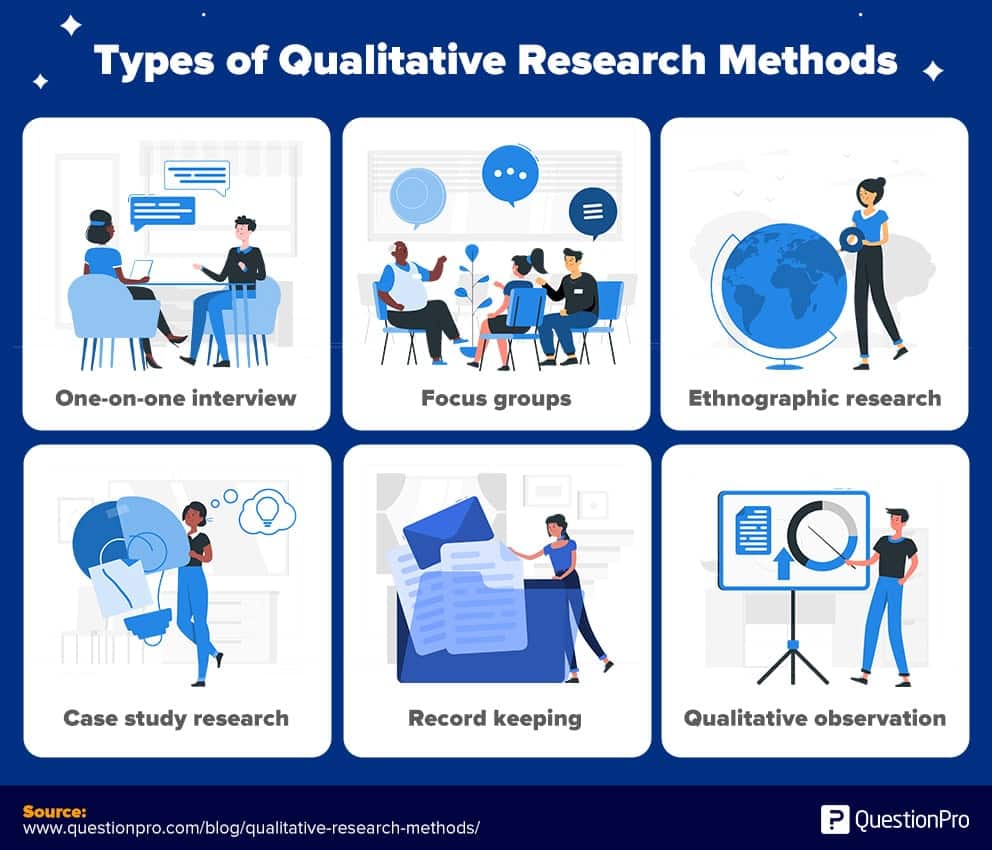
In today’s fast-paced job market, being able to accurately assess salary ranges within a brief period is crucial for both job seekers and employers. Efficient salary research ensures timely decision-making, enabling individuals to negotiate confidently and companies to stay competitive. Mastering a streamlined process that can deliver reliable data in just 10 minutes can significantly enhance career planning and hiring strategies.
This overview presents a structured approach to conducting rapid salary research by leveraging trusted online resources, strategic search techniques, and concise data analysis. Implementing these strategies allows users to gather comprehensive salary insights efficiently, saving valuable time while maintaining accuracy.
Fast salary research process
The following step-by-step method is designed for quick yet effective salary data collection. It emphasizes selecting reputable sources, utilizing precise search queries, and synthesizing information swiftly to arrive at a well-informed salary estimate.
- Identify relevant sources: Focus on authoritative platforms such as Glassdoor, Payscale, LinkedIn Salary Insights, and official government labor statistics. These sources provide verified salary data categorized by industry, location, experience level, and role.
- Define specific parameters: Clarify the role, industry, geographic area, and experience level. Precise parameters narrow down search results, making data collection more targeted and time-efficient.
- Utilize targeted search queries: Use specific s combined with site-specific searches, for example, “Software Engineer salary site:glassdoor.com” or “Marketing Manager salary New York Payscale.” Including filters such as years of experience or location refines results further.
- Gather and compare data: Collect salary figures from multiple sources. Focus on median or average figures, noting variations and outliers. Creating a simple table helps visualize discrepancies and identify a realistic salary range.
- Analyze and synthesize information: Summarize the data in a brief statement, considering factors like industry standards and regional differences. Use this synthesis to inform negotiations or compensation decisions.
To facilitate a quick understanding of this process, a simplified flowchart can be visualized as follows:
Quick Salary Research Flowchart:
1. Select reputable sources → 2. Define parameters → 3. Conduct targeted searches → 4. Collect and compare data → 5.Analyze and synthesize results
This streamlined approach ensures that users can efficiently gather accurate salary information within a 10-minute window, making informed decisions without exhaustive research.
Key sources and tools for rapid salary data collection

When aiming to gather salary information efficiently, leveraging reliable digital platforms is essential. These sources offer instant insights into compensation trends across industries, regions, and experience levels. Understanding how to access and verify these tools ensures you obtain accurate, up-to-date data quickly, empowering informed decision-making whether for job searching, negotiations, or market analysis.
To maximize the effectiveness of your salary research, familiarity with the key platforms and their unique features is crucial. Additionally, knowing how to navigate these databases with confidence and verify their credibility will help you avoid outdated or inaccurate information, saving valuable time and providing a solid foundation for salary benchmarking.
Popular websites and platforms for quick salary insights
The following platforms are widely recognized for providing instant salary data, each with distinct features and levels of data accuracy. They serve as primary tools for professionals, recruiters, and HR specialists seeking rapid access to compensation trends.
| Platform Name | Features | Data Accuracy | Notes |
|---|---|---|---|
| Glassdoor | Company reviews, salary reports, interview insights, user-generated data | High for well-known companies; user-generated data may vary in reliability | Provides detailed salary ranges, often including benefits and bonuses |
| LinkedIn Salary Insights | Salary ranges based on user-submitted data, filters for location, industry, and experience | Moderate to high; benefits from LinkedIn’s professional network | Good for localized and industry-specific data |
| Payscale | Comprehensive salary reports, compensation calculators, benefits data | High; relies on verified user submissions and employer data | Offers personalized salary reports based on individual profiles |
| Indeed Salary Search | Salary estimates from job postings and user submissions, job market trends | Moderate; depends on the volume of posted data | Useful for current market conditions and job-specific salary info |
To access and navigate these platforms efficiently, it is advisable to create accounts where necessary, utilize advanced filters for precise data, and explore available summary reports. For instance, filtering by job title, location, experience level, and company size can yield highly relevant results in a shorter amount of time.
Effective salary research hinges on verifying the credibility of each source. Cross-referencing data across multiple platforms ensures robustness and reduces reliance on potentially skewed or outdated information.
Verifying the credibility of salary sources involves examining the methodology behind data collection, understanding the user base contributing to the platform, and checking for recent updates. Reputable sites like Glassdoor and Payscale often publish their data collection methods, including user verification processes, which enhance trustworthiness. Additionally, comparing data points across multiple sources provides a clearer and more accurate picture of prevailing salary trends.
Effective Search Techniques for Fast Results

Obtaining accurate salary information swiftly requires employing precise search techniques that maximize the utility of job boards and salary websites. By refining search methods, professionals can gather relevant data efficiently, enabling timely decision-making or negotiations. This section explores practical strategies to optimize your search process, ensuring quick access to reliable salary insights.To achieve rapid results, it is essential to use targeted search queries and apply strategic filters that narrow down results to the most pertinent data.
Developing a well-structured search approach allows you to bypass irrelevant listings and focus on the key salary information that aligns with your specific role, industry, or location. Implementing effective search techniques not only saves time but also enhances the accuracy of the data collected.
Specific Search Queries and s
Using the right s and query structures significantly impacts the speed and relevance of your search results. Incorporate precise terms that describe the job title, experience level, industry, and location. For example, instead of generic terms like “salary,” use specific phrases such as “Software Engineer salary San Francisco 2024” or “Marketing Manager pay range New York.” Quoting exact phrases can help retrieve more targeted results, and adding terms like “average,” “median,” or “range” can improve the quality of data.Utilize Boolean operators to refine searches further:
- AND: Combines multiple criteria, e.g., “Data Analyst” AND “Remote” AND “Entry-Level”.
- OR: Broadens results, e.g., “Graphic Designer” OR “Visual Artist”.
- NOT: Excludes specific terms, e.g., “Sales Manager” NOT “Intern”.
- Quotes (“”): Search for exact phrases, e.g., “Data Scientist salary”.
Incorporate relevant modifiers like “2024,” “average,” or specific locations to further hone search results and accelerate data retrieval.
Checklist of Essential Filters for Quick Data Filtering
Applying filters on salary sites and job boards is crucial to streamline your search. Use these filters systematically to exclude irrelevant data and focus on the most pertinent salary insights:
- Location: Narrow results to the geographic area of interest, such as city, state, or country.
- Experience Level: Select filters like Entry-Level, Mid-Level, Senior, or Executive, depending on the target role.
- Job Type: Filter for full-time, part-time, internship, or freelance positions as needed.
- Industry: Choose specific sectors to refine salary data pertinent to your field.
- Company Size: Some sites allow filtering by organization size, which can influence salary ranges.
- Salary Range: Use sliders or input fields to set minimum and maximum salary thresholds.
By systematically applying these filters, you reduce extraneous data, making your salary research faster and more accurate.
Optimized Example Search String
Designing a concise yet effective search string combines relevant s, filters, and modifiers to expedite data collection. For instance, a well-constructed query might look like:
“Data Scientist” salary range San Francisco 2024 AND “average” OR “median” AND experience “3-5 years”
This string instructs the search engine or site to return salary data specifically for data scientists in San Francisco, focusing on recent, relevant figures with a specific experience range. Such precision ensures rapid access to pertinent salary information, minimizing the need for extensive manual filtering.By employing these targeted search techniques, you can significantly cut down research time while maintaining high data accuracy.
Combining precise queries with strategic filter application enables a swift, streamlined approach to salary research that aligns with the goal of completing comprehensive salary assessments within a short timeframe.
Data Compilation and Comparison Methods
Efficient salary research requires not only gathering relevant data but also organizing and analyzing it effectively. Proper data compilation enables quick comparison across different roles, regions, and industries, facilitating informed decision-making within a limited timeframe. Mastering these methods ensures that the salary insights obtained are accurate, consistent, and actionable.
By systematically collecting and analyzing salary data points, you can identify market trends, outliers, and discrepancies that may influence compensation negotiations or salary benchmarking. Implementing structured comparison techniques helps to streamline this process, saving valuable time while maintaining data integrity and relevance.
Collecting Data Points into a Simple HTML Table
To facilitate rapid comparison, organize your salary data into a clear and accessible HTML table. Key columns should include Position, Location, Salary Range, and Data Source to capture essential elements for analysis. This structure allows for quick visual assessment and filtering of information, making it easier to identify patterns or anomalies across different datasets.
Begin by creating a table with headers:
Position Location Salary Range Data Source Software Engineer New York $80,000 – $120,000 Glassdoor Marketing Manager San Francisco $90,000 – $130,000 Payscale Data Analyst Chicago $60,000 – $85,000 LinkedIn Salary
Populate the table with data collected from various sources, ensuring consistency in data formatting to enable meaningful comparisons. Use simple copy-paste methods or spreadsheet export features for efficiency.
Comparing Salaries Across Industries and Regions
Rapid comparison involves analyzing salary ranges across different sectors or geographic areas to identify industry benchmarks or regional disparities. This approach helps to contextualize salary data within the wider market landscape, supporting strategic decisions or negotiations.
- Standardize salary data by converting all figures to a single currency or adjusting for cost-of-living differences to ensure valid comparisons. For example, comparing salaries in New York and Los Angeles should consider regional living costs to determine real income differences.
- Use filtering tools within your table or data analysis software to segment data by industry, region, or experience level. This allows for targeted analysis of specific segments.
- Calculate averages, medians, and ranges within each category to quickly spot outliers or trends. For instance, if most software engineers in the Midwest earn between $70,000 and $90,000, but one outlier reports a $150,000 salary, investigate further to verify its accuracy.
- Visualize data with bar charts or box plots to identify salary distribution patterns across regions or sectors. This can be achieved through simple spreadsheet tools or dedicated data visualization software.
Outlier detection: Identify data points that significantly deviate from the majority. These outliers, such as an unusually high salary in a small market, should be verified for accuracy or noted as exceptional cases. Use statistical methods like interquartile range (IQR) to systematically detect anomalies.
Finally, validate data consistency by cross-referencing figures from multiple sources and checking for discrepancies. Confirm employer credibility and recentness of data to ensure reliability. Regularly update your dataset to reflect current market conditions, maintaining the accuracy of your rapid salary research process.
Ending Remarks

In conclusion, mastering the art of researching salaries in just 10 minutes can transform how you approach career decisions and negotiations. With efficient methods, verified sources, and sharp search techniques, you can obtain accurate salary insights quickly and confidently. Implementing these practices will ensure you stay informed and prepared in today’s fast-paced job market.