Understanding the Purpose of a Second Interview
The second interview serves as a critical step in the hiring process, often providing both the employer and candidate with a deeper insight into mutual fit. While the initial interview primarily focuses on assessing basic qualifications and overall compatibility, the second interview emphasizes a more detailed evaluation of skills, cultural alignment, and the candidate’s potential contributions to the organization.
Understanding the distinct goals and expectations of this stage can significantly enhance your preparedness and confidence. It is an opportunity for the employer to explore specific competencies, examine how your experience aligns with the role’s demands, and assess your motivation and enthusiasm for the position. For candidates, it offers a platform to demonstrate growth, clarify previous discussions, and showcase a more comprehensive understanding of the company’s needs and values.
Differences Between First and Second Interview Stages
The transition from the first to the second interview typically involves a shift from broad, initial screening to more targeted, in-depth assessments. In the first interview, questions often focus on your background, general skills, and basic qualifications. Conversely, the second interview usually involves detailed behavioral questions, technical assessments, or case studies that delve into your problem-solving abilities, teamwork skills, and cultural fit.
This stage often includes multiple interviewers, such as potential team members, managers, or department heads, providing a comprehensive perspective on your suitability. The environment may also become more formal or interactive, with practical exercises or presentations designed to evaluate your real-world application of skills.
Aligning Responses to Demonstrate Growth Since the First Interview
To effectively convey your development since the initial interview, it is essential to reflect on feedback received, new skills acquired, or relevant experiences gained. Your responses should highlight specific instances where you have addressed previous gaps or enhanced your competencies, illustrating a proactive approach to personal and professional growth.
For example, if the first interview revealed a need to strengthen technical skills, discussing a recent certification, project, or training session demonstrates your commitment to improvement. Additionally, referencing new achievements or insights gained about the company’s challenges and how you are prepared to contribute shows your increased understanding and enthusiasm for the role.
Clear, concise articulation of your progress, supported by tangible examples, can significantly reinforce your candidacy and position you as a motivated, adaptable, and continuously developing professional.
Analyzing Common Second Interview Questions
Understanding the types of questions typically posed during second interviews is essential for candidates aiming to demonstrate their suitability for a role. These questions often delve deeper into a candidate’s experience, skills, and alignment with the company’s values. By familiarizing yourself with common second interview questions and their underlying intentions, you can prepare more effectively and present yourself with confidence.
Second interviews are designed to assess not only technical competence but also cultural fit, problem-solving abilities, and interpersonal skills. Recognizing the purpose behind each question allows candidates to craft thoughtful and impactful responses that resonate with interviewers’ expectations. This section provides an overview of frequently asked questions, their intent, and insights into interpreting behavioral and situational prompts.
Identifying Frequently Asked Questions in Second Interviews and Their Underlying Intentions
Second interview questions tend to focus on clarifying prior responses, exploring specific competencies, and evaluating how candidates handle real-world scenarios. Typical questions include inquiries about strengths and weaknesses, past experiences, conflict resolution, leadership qualities, and situational judgments. Recognizing these patterns helps candidates prepare tailored responses that align with what interviewers are seeking.
The underlying intentions behind these questions are to gauge:
- Compatibility with the role: Whether the candidate’s skills and experiences meet the job requirements.
- Problem-solving ability: How effectively candidates approach challenges and complex situations.
- Behavioral tendencies: Traits such as teamwork, adaptability, and communication skills.
- Motivation and cultural fit: The candidate’s long-term interest and alignment with company values.
Comprehensive List of Common Second Interview Questions
Having a well-rounded understanding of frequently posed questions enhances your readiness for the second interview. The following list encompasses common questions along with the purpose they serve:
- What are your greatest strengths? – To assess self-awareness and how your strengths can benefit the organization.
- What are your weaknesses, and how are you working to improve them? – To evaluate honesty, self-improvement efforts, and growth mindset.
- Can you describe a challenging work situation and how you handled it? – To understand problem-solving skills and resilience.
- Why do you want to work here? – To determine motivation and cultural fit.
- Describe a time when you had a conflict with a coworker and how it was resolved. – To gauge interpersonal skills and conflict management.
- How do you prioritize your tasks when managing multiple deadlines? – To assess organizational skills and time management.
- What are your short-term and long-term career goals? – To understand ambition and alignment with company growth.
- Give an example of a project where you demonstrated leadership. – To evaluate leadership potential and initiative.
- How do you handle feedback and criticism? – To assess receptiveness to growth and adaptability.
- Provide an example of a situation where you had to think quickly under pressure. – To evaluate decision-making and composure under stress.
Understanding the Intent Behind Behavioral and Situational Questions
Behavioral and situational questions are crucial components of second interviews, offering insight into a candidate’s past experiences and future responses. These questions are designed to predict future behavior based on past actions or to assess how candidates approach hypothetical scenarios relevant to the role.
Behavioral questions typically start with phrases like “Tell me about a time when…” and focus on specific past experiences. They aim to uncover traits such as teamwork, leadership, adaptability, and problem-solving ability.
Situational questions often describe a hypothetical scenario related to the job and ask the candidate how they would respond. These questions evaluate critical thinking, judgment, decision-making, and alignment with organizational values.
Interpreting the intent behind these questions allows candidates to tailor their responses strategically. For behavioral questions, providing concrete examples that showcase relevant competencies is vital. For situational questions, demonstrating logical reasoning and alignment with company policies or culture is key. Recognizing whether the interviewer seeks evidence of past success or prospective problem-solving helps in delivering answers that resonate and leave a lasting impression.
Crafting Effective Responses to Second Interview Questions
Preparing for a second interview involves not only reviewing your background and understanding the company’s needs but also mastering how to craft compelling and relevant responses. This stage offers an opportunity to deepen your presentation by demonstrating your suitability for the role through well-structured answers that highlight your skills, experience, and cultural fit. Effective response crafting can significantly influence the interviewer’s perception of your potential contribution to the organization.To succeed at this level, it’s essential to develop responses that are both insightful and tailored to the specific questions asked.
This requires a strategic approach to communicating your qualifications in a way that aligns with the company’s values, goals, and the particular challenges of the role. Employing structured storytelling techniques, such as the STAR method, allows you to provide comprehensive and impactful answers that resonate with interviewers and differentiate you from other candidates.
Using the STAR Method for Second Interviews
The STAR method—comprising Situation, Task, Action, and Result—is a proven framework for formulating clear, concise, and compelling responses. For second interviews, where questions tend to be more detailed and specific, adapting the STAR technique ensures your answers are both comprehensive and relevant.Begin by thoroughly understanding the question to identify the core competency or skill it seeks to evaluate. Once identified, structure your response by:
- Situation: Briefly describe the context or challenge you faced. Choose examples that are relevant to the role and demonstrate your ability to handle complex scenarios.
- Task: Clarify your responsibilities or objectives within that situation. Highlight aspects that showcase your initiative and problem-solving skills.
- Action: Detail the specific steps you took to address the task. Emphasize your strategic thinking, collaboration, and leadership qualities.
- Result: Conclude with the outcome of your actions, ideally quantifying achievements or lessons learned. Focus on positive impacts and how the experience prepares you for this new role.
To tailor STAR responses effectively:
Ensure each component aligns with the role’s key requirements and demonstrates your unique value proposition.
Practicing diverse scenarios and refining your stories can help you deliver responses smoothly during the interview, making your answers both impactful and authentic.
Highlighting Additional Skills and Experience
Second interviews often serve as a platform to showcase skills and qualifications not fully covered during the first round. It is important to seize this opportunity to present a broader or more nuanced picture of your capabilities.Begin by analyzing the job description and company culture thoroughly. Identify skills, certifications, or experiences that align closely with their needs but may not have been emphasized initially.
When crafting responses, make sure to incorporate these aspects seamlessly into your STAR stories or other answer formats.Additionally, consider using the second interview to introduce new examples that demonstrate leadership, adaptability, or strategic thinking—traits highly valued in senior or specialized roles. Emphasizing continuous learning, professional development, or awards can also differentiate you from other candidates.To effectively organize these highlights:
- Refer to specific projects or roles where you demonstrated these skills, illustrating your growth and versatility.
- Connect your additional experiences with the company’s current challenges or objectives, showing how you can contribute uniquely.
- Use evidences, such as metrics or client feedback, to substantiate your claims.
Remember, the goal is to present a comprehensive profile that aligns with the company’s vision while conveying your readiness and enthusiasm for the position.
Incorporating Company Research into Your Responses
Deep understanding of the company’s mission, values, products, and recent developments can significantly enhance the relevance of your responses. Integrating this research demonstrates genuine interest and strategic thinking, qualities that interviewers highly appreciate.Before the interview, gather information from multiple sources such as the company’s official website, recent news articles, industry reports, and social media channels. Identify key initiatives, challenges, or strategic goals that you can relate to your experience.When responding to questions:
- Reference specific company initiatives or values to show alignment. For example, if the company emphasizes innovation, highlight innovative solutions you’ve implemented in past roles.
- Use company-specific language or terminology to personalize your answers, making them resonate more with interviewers.
- Address potential challenges the company may face and illustrate how your skills can help overcome these issues, backed by your knowledge of their current landscape.
For instance, if the organization recently launched a new product line, you could mention your experience with product development or go-to-market strategies, aligning your background with their latest endeavors. This approach positions you as a proactive and well-informed candidate, capable of contributing meaningfully from day one.
Strategies for Demonstrating Growth and Fit
Effectively showcasing professional development since the initial interview and aligning oneself with the company’s culture are crucial steps in second interview preparation. These strategies not only demonstrate a candidate’s commitment to growth but also reinforce their suitability for the role, emphasizing that they are a well-informed and adaptable candidate ready to contribute meaningfully to the organization’s success.
Implementing well-structured responses that highlight continuous learning, adaptation, and enhanced understanding of the company’s values and requirements can significantly improve a candidate’s impression. By carefully organizing responses and illustrating tangible progress, candidates can convincingly communicate their evolving skills, deeper insights into the role, and a genuine alignment with the organization’s culture and goals.
Organizing Responses to Reflect Professional Growth
When addressing second interview questions, it is vital to craft responses that clearly indicate what has been learned or improved since the first interview. This can be achieved through a structured approach that emphasizes specific examples of skill enhancement, new experiences, or additional training undertaken.
Responses should be framed using the STAR method (Situation, Task, Action, Result), with an emphasis on growth-oriented elements. For example, describing a project from the first interview phase and detailing the subsequent steps taken to improve or expand on that experience demonstrates ongoing development.
To organize these responses effectively:
- Start by referencing the initial interview’s discussion points or areas identified for improvement.
- Describe the proactive measures taken since then, such as additional training, certifications, or new responsibilities.
- Highlight concrete results or feedback received that show tangible progress.
- Connect these developments directly to the role’s requirements to reinforce relevance.
Showcasing a Deeper Understanding of Company Culture and Role Requirements
Demonstrating a comprehensive grasp of the company’s values, mission, and work environment indicates genuine interest and cultural fit. It also reassures interviewers that the candidate has invested time in understanding the organization beyond superficial knowledge.
Effective ways to showcase this include referencing recent company initiatives, aligning personal values with organizational principles, and illustrating how previous experiences have prepared the candidate to thrive within this culture.
Strategies to demonstrate this understanding:
- Incorporate specific examples of company projects, values, or community involvement discussed during the interview process to show active engagement.
- Explain how personal work style or professional goals align with the company’s mission and vision statements.
- Discuss how insights gained from the company’s website, social media channels, or recent press releases have informed your perception of the organization.
- Share examples of how your previous roles involved similar cultural elements, such as collaboration, innovation, or customer-centric approaches, and how these experiences can be transferred to this new role.
Comparison of Initial and Updated Responses to Illustrate Improvement
Creating a visual or tabular comparison between initial responses and their refined counterparts can effectively demonstrate progress in your interview responses. This approach not only highlights your growth but also illustrates a strategic and thoughtful preparation process.
| Aspect | Initial Response | Updated Response |
|---|---|---|
| Example of skill development | Described basic familiarity with project management tools. | Discussed completion of advanced project management certification and led a recent project, highlighting leadership and technical skills. |
| Understanding of company culture | Mentioned general interest in the organization. | Referred to specific values like innovation and teamwork, citing examples of how these are reflected in recent company initiatives. |
| Role alignment | Expressed enthusiasm for the position. | Linked personal career goals with the role’s responsibilities, demonstrating deeper insight and strategic fit. |
By comparing responses in this manner, candidates can effectively illustrate their ongoing development, increased understanding, and enhanced ability to position themselves as the best fit for the organization.
Practice and Mock Interview Techniques
Preparing thoroughly for a second interview involves more than just rehearsing answers; it requires simulating real interview scenarios to build confidence and refine responses. Engaging in structured practice allows candidates to identify areas for improvement, manage interview anxiety, and present themselves more effectively. This section offers practical methods to simulate second interview conditions, along with templates and feedback strategies to enhance readiness.Effective practice and mock interviews serve as invaluable tools for transforming prepared responses into natural, compelling conversations.
By replicating the interview environment, candidates can better anticipate questions, improve their delivery, and develop a clear understanding of how their skills and experiences align with the employer’s expectations. Regular practice also helps in mastering the art of concise yet comprehensive communication, critical for second interviews where deeper insights are often sought.
Simulating Second Interview Scenarios
Simulating second interview scenarios involves creating realistic environments that mirror the actual interview process. This can be achieved through role-playing with a colleague, mentor, or career coach who can act as the interviewer. Such mock sessions should incorporate the specific questions identified as common or challenging, along with situational and behavioral questions tailored to the role. Procedures for effective simulation include:
- Scheduling regular practice sessions that mimic the timing and setting of the actual interview.
- Using real job descriptions to craft relevant questions that test both technical skills and cultural fit.
- Recording mock interviews to review body language, tone, and clarity of responses.
- Implementing a structured interview format to ensure all key topics are covered systematically.
These realistic simulations help candidates become comfortable with the interview flow, enabling smoother and more confident responses during the actual interview.
Templates for Practicing Common and Difficult Questions
Practicing with well-designed templates allows candidates to prepare structured, impactful answers. These templates serve as frameworks that can be customized for specific questions, promoting consistency and confidence. The following guidelines can be used to develop effective response templates:
“STAR” Method: Situation, Task, Action, Result – A proven approach to answering behavioral questions clearly and concisely.
- Question: Describe a challenging project you managed.
- Template Response:
S: In my previous role, I was tasked with leading a project that had tight deadlines and limited resources.
T: My goal was to ensure timely delivery without compromising quality.
A: I prioritized tasks, delegated responsibilities, and maintained open communication with the team to address issues proactively.
R: The project was completed on time, and it received positive feedback from the client, demonstrating effective leadership and problem-solving skills.
Similarly, for difficult questions such as addressing gaps in employment or handling conflicts, templates should Artikel honest, positive, and forward-looking responses. Practice these templates repeatedly to internalize the structure and language.
Methods to Receive Feedback and Refine Responses
Constructive feedback is essential for identifying strengths and areas needing improvement. Implementing methods to gather insights after mock interviews ensures continuous refinement of responses and interview techniques.Effective feedback methods include:
- Review Sessions: Conduct debriefings immediately after mock interviews, discussing what worked well and what could be improved.
- Video Recordings: Record mock interviews to analyze non-verbal cues, pacing, and clarity. Review recordings to self-assess or share with mentors for detailed feedback.
- Feedback Forms: Utilize structured forms with specific criteria such as clarity, confidence, relevance, and professionalism to evaluate responses objectively.
- Peer and Mentor Input: Engage trusted colleagues or career coaches to provide honest, constructive critique, highlighting both strengths and areas for development.
Refining responses based on feedback involves practicing specific questions repeatedly, adjusting language for clarity, and strengthening delivery. Keeping a journal of feedback points and tracking improvements over time helps in maintaining focus and measuring progress.
Tips for Managing Stress and Building Confidence
Preparing for a second interview can be an exciting yet nerve-wracking experience. Managing stress effectively and fostering confidence are essential components to perform at your best. Implementing practical techniques before and during the interview can help you stay composed, articulate your thoughts clearly, and showcase your true potential to the interviewers. Developing a positive mindset and employing strategic relaxation methods will not only enhance your performance but also leave a lasting impression of professionalism and poise.Effective stress management and confidence-building strategies are rooted in both mental preparedness and physical relaxation.
These approaches enable you to navigate the interview environment with ease, even under pressure. By consciously applying these techniques, you can transform nervous energy into focused enthusiasm, ensuring that your responses are coherent, confident, and impactful.
Stress Reduction Techniques Before and During the Interview
In the lead-up to your second interview, engaging in specific activities can significantly reduce anxiety and promote calmness. Prioritize adequate preparation, which includes rehearsing answers, reviewing company information, and planning your route to the interview location to prevent last-minute stresses. Incorporate relaxation exercises such as deep breathing, progressive muscle relaxation, or mindfulness meditation to calm your mind and body. These practices help lower cortisol levels, decrease feelings of anxiety, and foster a sense of control.During the interview, maintaining steady breathing can be a powerful tool to stay relaxed.
If you feel overwhelmed, pause briefly to take a slow, deep breath—this can help clear your mind and slow your speech, allowing for more thoughtful responses. Additionally, keeping a subtle physical cue, such as placing your hands on your lap or maintaining good posture, can promote physical calmness and confidence.
Methods for Staying Focused and Articulating Responses Under Pressure
Maintaining focus during a high-stakes interview requires mental discipline and strategic techniques. It is helpful to practice active listening so that you fully understand each question before responding. Take a brief moment to organize your thoughts—this can be as simple as a couple of seconds of silence, which is often appreciated as it demonstrates deliberation rather than hesitation.To articulate responses clearly under pressure, consider employing the following methods:
- Pause and Reflect: Before answering, briefly pause to gather your thoughts, ensuring your response is relevant and structured.
- Use the STAR Technique: Structure your responses to behavioral questions by clearly outlining the Situation, Task, Action, and Result. This approach promotes clarity and focus.
- Avoid Filler Words: Be mindful of excessive “um,” “like,” or “you know,” which can detract from your message. Practice concise speaking during mock interviews to build this habit.
- Maintain Eye Contact and Body Language: Consistent eye contact and confident posture reinforce engagement and self-assurance, which can positively influence your thought process and response delivery.
Visualizing Success and Cultivating a Positive Mindset
The power of visualization and positive self-talk is well-documented in boosting confidence and reducing anxiety. Visualizing yourself succeeding in the interview—seeing yourself answering with composure, smiling, and engaging confidently—can reinforce a mindset of achievement. This mental imagery activates positive neural pathways, reducing feelings of doubt and fear.Incorporate affirmations and mental rehearsals into your preparation routine. Repeating statements such as,
“I am well-prepared, confident, and capable,”
helps reinforce self-belief. Focus on your strengths and past successes to create a narrative of competence and resilience. Maintaining a positive attitude also involves managing expectations and accepting that the interview is a two-way process. Viewing it as an opportunity to showcase your fit and learn more about the organization can shift your mindset from pressure to enthusiasm.Regularly practicing these techniques, combined with a well-balanced approach to relaxation and mental focus, will empower you to remain poised and confident throughout your second interview.
Utilizing Supporting Documents and Examples
Preparing compelling supporting documents and examples is crucial for reinforcing your responses during a second interview. These materials serve as tangible evidence of your skills, achievements, and suitability for the role. Proper selection and organization of these materials can significantly enhance your credibility and leave a lasting positive impression on interviewers.Effective use of supporting documents involves choosing work samples and portfolios that best showcase your relevant experience and accomplishments.
It is equally important to prepare references and testimonials that can validate your claims and add an external perspective to your professional narrative. Additionally, referencing previous projects or achievements thoughtfully during discussions can demonstrate your value and alignment with the company’s needs.
Selecting and Organizing Relevant Work Samples or Portfolios
Having a well-curated collection of work samples allows you to provide concrete evidence of your capabilities. When selecting these materials, focus on projects that directly relate to the role you are pursuing. For example, if applying for a marketing position, include campaign summaries, analytics reports, and creative work that highlight your strategic thinking and successful outcomes.Organizing your portfolio effectively involves categorizing samples by project type or skill area, and arranging them in a logical sequence.
Use clear labels and brief descriptions to contextualize each item, emphasizing your role, the challenges faced, and the results achieved. Digital portfolios should be easy to navigate, with downloadable files or links to online work repositories, such as LinkedIn or personal websites.
Preparing References and Testimonials
References and testimonials serve as external validations of your professional traits and achievements. Selecting reputable and relevant contacts, such as previous managers, clients, or colleagues, ensures credible endorsements. Reach out in advance to request their permission and provide them with details about the position to facilitate tailored testimonials.Organize your references by preparing a list that includes their names, titles, contact information, and a brief note about your relationship.
Present testimonials that highlight specific skills or accomplishments, particularly those aligning with the role’s requirements. Sharing succinct, impactful quotes from references during the interview can reinforce your responses and demonstrate a consistent track record of success.
Referencing Previous Projects or Achievements
During discussions, referencing past projects or achievements provides concrete examples that support your claims. When doing so, clearly Artikel the context, your specific contributions, and the outcomes. Using quantifiable data, such as percentage improvements, revenue growth, or project deadlines met, adds credibility and impact.For instance, mentioning that you led a team to develop a marketing campaign that resulted in a 30% increase in engagement illustrates your capability and initiative.
It is helpful to have these examples readily available, either in your portfolio or as quick recall points, ensuring you can seamlessly incorporate them into your responses. Describing these achievements in a structured manner makes your narrative more persuasive and memorable.
Post-Interview Follow-Up Strategies
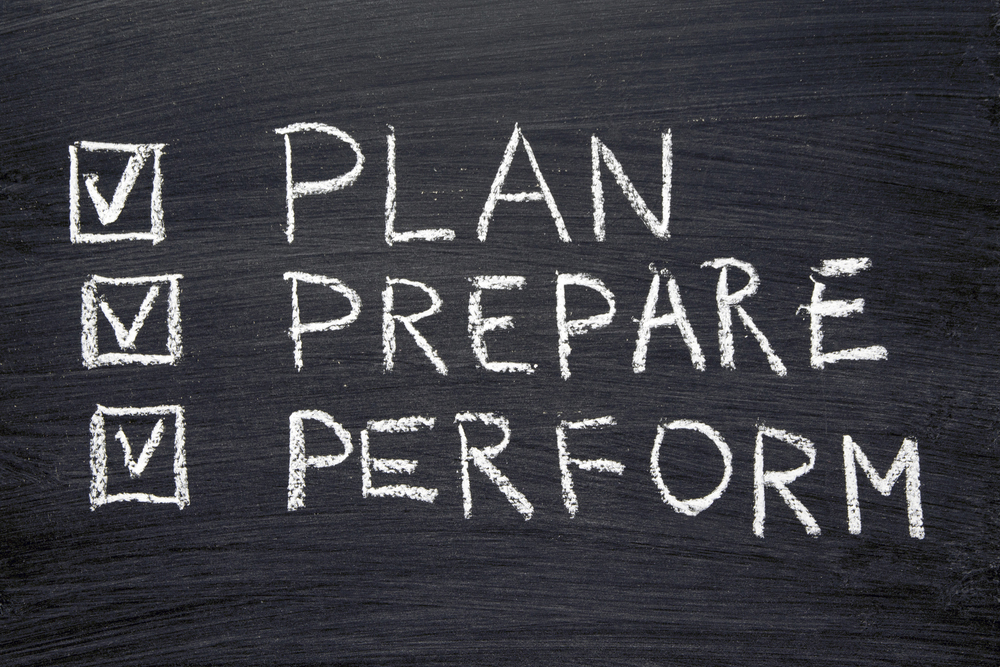
Effective follow-up after a second interview is a critical step in demonstrating professionalism, reinforcing your interest in the position, and leaving a lasting positive impression on your interviewers. This stage provides an opportunity to reiterate your enthusiasm for the role, clarify any points discussed, and solidify your candidacy. Well-executed follow-up communications can differentiate you from other candidates and underline your proactive attitude and genuine interest in joining the organization.A strategic approach to post-interview follow-up involves timely and thoughtful communication, personalized messages that reflect the conversation’s content, and professionalism that aligns with the company’s culture.
Incorporating these elements can significantly influence the hiring decision and help you stand out as a committed and detail-oriented candidate.
Effective Thank-You Notes and Follow-Up Communications
The foundation of post-interview follow-up is sending a well-crafted thank-you note or email. This gesture not only expresses gratitude but also serves as an opportunity to reinforce key points discussed during the interview. Timing is crucial; sending the message within 24 to 48 hours ensures your appreciation is timely and keeps you fresh in the interviewers’ minds.To be effective, follow-up communications should be personalized, referencing specific topics or moments from the interview that resonate with your skills and interests.
A concise, professional tone combined with a focus on enthusiasm for the role demonstrates courtesy and respect for the interviewers’ time. These messages should aim to leave a positive impression, highlight your suitability for the position, and subtly remind the interviewer of your fit with their organizational needs.
Reiterating Interest and Reinforcing Key Points
During the follow-up, explicitly reaffirm your interest in the role and organization. This can be achieved by mentioning specific aspects of the position that excite you or how your skills align with the company’s goals. Additionally, use this opportunity to clarify or expand upon any points that may have been briefly discussed but require further emphasis to underscore your qualifications.Reinforcing key points involves referencing particular skills, experiences, or values you shared during the interview that correlate with the company’s priorities.
Including concrete examples or achievements helps to bolster your candidacy and demonstrates your genuine engagement. This focused approach ensures that the interviewers remember your strengths and understand your commitment to contributing positively to their team.
Templates for Follow-Up Messages
Utilizing well-structured templates can streamline your follow-up process while maintaining professionalism. Here are examples emphasizing enthusiasm and respect:
Thank-You Email Template:
Dear [Interviewer’s Name],
Thank you very much for the opportunity to discuss the [Job Title] position at [Company Name] yesterday. I appreciated learning more about your team and the exciting initiatives underway. Our conversation about [specific project or topic discussed] resonated with me, and I am enthusiastic about the prospect of contributing to your organization’s goals.
Please do not hesitate to reach out if you need any additional information. I remain very interested in this opportunity and look forward to the possibility of working together.
Sincerely,
[Your Name]
Follow-Up Message Emphasizing Continued Interest:
Dear [Interviewer’s Name],
I wanted to express my sincere appreciation for the chance to speak with you regarding the [Job Title] role at [Company Name]. The discussion about your team’s focus on [specific attribute or project] has heightened my enthusiasm for joining your organization. I am confident that my experience in [relevant skill or field] aligns well with your needs, and I am eager to contribute to your ongoing success.
Thank you for considering my application. I look forward to the next steps and the possibility of working with your team.
Best regards,
[Your Name]
By adopting these strategies and utilizing tailored templates, candidates can create a professional and impactful post-interview follow-up that underscores their interest, demonstrates their suitability, and fosters positive relationships with potential employers.
Closure