Managing three job offers simultaneously can be both an exciting and challenging experience. It requires careful planning, strategic evaluation, and clear communication to ensure that you make the best decision for your career growth and personal satisfaction. Understanding how to approach this situation with confidence can significantly impact your professional trajectory and peace of mind.
This guide offers practical strategies on prioritizing offers, managing time efficiently, negotiating professionally, and making informed decisions, all while maintaining a positive outlook throughout the process. Equipped with these insights, you can navigate multiple offers seamlessly and select the opportunity that aligns best with your goals.
Time Management Strategies for Handling Multiple Offers

Managing multiple job offers simultaneously can be a complex task that requires strategic planning and disciplined execution. Effective time management ensures that each application receives proper attention, interview schedules are adhered to, and decision-making processes are handled without unnecessary stress. By adopting structured techniques, professionals can navigate this phase confidently, maximizing their opportunities while maintaining clarity and control over their schedules.This section discusses practical techniques to organize follow-ups and interview timelines, designing comprehensive planner layouts to balance job search activities, and allocating dedicated time for negotiations and decisive actions.
Implementing these strategies enhances efficiency, reduces oversight, and supports informed decision-making during a critical phase of career advancement.
Organizing Follow-Ups and Interview Schedules
Staying on top of multiple job applications necessitates a systematic approach to follow-ups and interview planning. It is vital to create a centralized tracking system that consolidates all communications, scheduled interviews, and deadlines. Using digital tools such as spreadsheets, calendar applications, or specialized job tracking software can streamline this process.Begin by establishing a master schedule that includes:
- Application submission dates
- Follow-up reminders approximately one week after initial contact
- Confirmed interview dates and times
- Preparation time for each interview, including research and practice
Designate specific days or times weekly to review this schedule, ensuring no deadlines or interview slots are overlooked. Automate reminders using calendar alerts or notification features to maintain consistent follow-up without neglecting any opportunity.Furthermore, prioritize interviews based on offer deadlines and the potential fit with your career goals. Keeping a clear, organized timeline minimizes the risk of overlapping commitments and enhances preparedness for each interaction.
Designing a Job Search Planner Layout
A well-structured planner layout provides a visual overview of your ongoing job search activities, facilitating balanced attention across multiple opportunities. Whether using digital tools or physical planners, it is crucial to allocate dedicated sections for each offer or company.A weekly planner layout should include:
| Day | Job Opportunity A | Job Opportunity B | Job Opportunity C |
|---|---|---|---|
| Monday | Research company, prepare questions | Follow-up email | Schedule interview |
| Tuesday | Practice interview answers | Review offer details | Attend interview |
| Wednesday | Send thank-you note | Prepare negotiation points | Evaluate offers |
This layout ensures consistent coverage of each opportunity by assigning specific tasks to designated days. Incorporate flexible buffers to accommodate unexpected developments or additional interviews, and review the planner daily to stay aligned with your priorities.A weekly review session helps to assess progress, reallocate time if necessary, and prepare for upcoming steps, such as negotiations or decision-making.
Allocating Time for Negotiation and Decision-Making
Effective management of multiple offers involves not only securing opportunities but also thoughtfully navigating negotiations and final decisions. Allocating sufficient dedicated time for these activities prevents rushed judgments and fosters confidence in your choices.Set aside specific blocks of time in your schedule—preferably when mental energy is highest—to evaluate offers comprehensively. Use this period to:
- Compare compensation packages, benefits, and growth potential
- Research industry standards and salary benchmarks
- Consult with mentors or trusted advisors for insights
- Develop negotiation strategies tailored to each offer
Document your priorities, deal-breakers, and ideal terms within a structured decision matrix or checklist to facilitate clarity. It is advisable to reserve extra time for negotiations, recognizing that these discussions may extend over several days.Block out distraction-free intervals for negotiations, drafting emails, and making thoughtful decisions. As highlighted by
“Effective time allocation during negotiation reduces stress and leads to more favorable outcomes,”
ensuring you approach each offer with a strategic mindset rather than urgency.Finally, schedule a dedicated session to finalize decisions, involving review of all pertinent information, consulting trusted sources, and ensuring alignment with your career goals before formally accepting or declining offers.
Negotiation Tactics When Faced with Multiple Offers

Handling multiple job offers simultaneously can be a complex situation that requires strategic and professional negotiation tactics. Effective negotiation not only helps in securing favorable terms but also demonstrates your professionalism and respect for each potential employer. Approaching this process thoughtfully ensures that you maximize your value while maintaining positive relationships with all parties involved.
Developing a clear, step-by-step negotiation approach allows you to navigate each conversation confidently. It involves understanding your priorities, preparing relevant points to discuss, and communicating your expectations clearly. Employing effective scripts for requesting flexibility or additional benefits can facilitate constructive dialogues, helping you achieve optimal outcomes from each offer.
Step-by-Step Approach to Negotiating Multiple Offers
Negotiating with multiple potential employers requires a systematic process that aligns your interests with professional etiquette. The following steps will guide you through an effective negotiation strategy:
- Prioritize Your Needs: Clearly identify what aspects of the offers are most important to you—salary, benefits, work-life balance, professional development, or other factors. This prioritization helps you negotiate from a position of clarity and confidence.
- Assess Each Offer Thoroughly: Understand the strengths and limitations of each offer. Consider how each aligns with your career goals and personal circumstances.
- Establish Your Bargaining Range: Determine your minimum acceptable terms for compensation, benefits, or other critical components. This prepares you to make strategic concessions if necessary.
- Engage in Respectful Negotiation: Reach out to each employer with a professional tone, expressing enthusiasm for the role while articulating your expectations and concerns.
- Present Your Case Clearly: Use factual data, market research, or comparable industry standards to justify your requests.
- Maintain Confidentiality and Integrity: Avoid sharing specific details of one offer with another employer, preserving professionalism and integrity throughout the process.
- Be Ready to Make Decisions: Use the information gained during negotiations to decide which offer aligns best with your goals. Be prepared to accept, decline, or counteroffer as appropriate.
Key Points to Address During Negotiation
When negotiating with each employer, it is crucial to cover specific topics that influence your overall satisfaction and professional growth. These points should be discussed respectfully and transparently to foster mutual understanding:
- Salary and Compensation: Clarify base salary, performance bonuses, signing bonuses, and other monetary benefits.
- Benefits and Perks: Discuss health insurance, retirement plans, paid time off, remote work options, and other perks.
- Work Schedule and Flexibility: Negotiate for flexible hours, remote work policies, or adjusted workweeks if necessary.
- Career Development Opportunities: Seek clarity on mentorship, training programs, and promotional pathways.
- Job Role and Responsibilities: Ensure the scope of work aligns with your expertise and career goals.
- Contract Terms and Duration: Review probation periods, contract length, and renewal conditions.
Scripts for Requesting Flexibility or Additional Benefits
Using well-crafted scripts can help you communicate your requests professionally and persuasively. Here are examples for common negotiation points:
Requesting Flexible Work Arrangements:
“I am very excited about the opportunity to contribute to your team. Given my current commitments and the importance of maintaining a healthy work-life balance, I would like to discuss the possibility of flexible working hours or remote work options. Would that be feasible?”
Asking for Additional Benefits or Perks:
“Thank you for considering my profile and the offer extended. Based on industry standards and my experience, I was hoping to explore the possibility of including additional professional development support or a signing bonus. Would you be open to discussing these options?”
Negotiating Salary or Compensation:
“I appreciate the offer and am enthusiastic about the role. Considering my background and current market rates, I was expecting a base salary in the range of [desired range]. Is there flexibility to adjust the compensation package to better reflect my qualifications?”
Approaching negotiations with professionalism, clarity, and respect increases the likelihood of reaching mutually beneficial agreements. Tailoring your scripts to fit your specific needs and maintaining a courteous tone will foster positive interactions and help you secure the best possible terms from each employer.
Communicating with Employers About Multiple Offers
Effectively managing communication with potential employers when facing multiple job offers is crucial for maintaining professionalism and preserving positive relationships. Transparency, tact, and strategic messaging can help you navigate this delicate situation without burning bridges or damaging your reputation in the industry. Clear, respectful communication not only reflects well on you as a candidate but also allows you to gain additional time or leverage during negotiations.
When approached thoughtfully, informing recruiters about ongoing offers can open doors to extensions on decision timelines, better salary or benefits negotiations, and stronger rapport with potential employers. Mastering these communication strategies ensures you remain an attractive candidate while making informed decisions aligned with your career goals.
Templates for Informing Recruiters About Ongoing Offers
Using well-crafted templates can help you communicate your situation professionally and courteously. Here are examples of messages to inform recruiters about other offers:
Dear [Recruiter’s Name],
I hope this message finds you well. I wanted to express my appreciation for the opportunity to be considered for the [Position Title] role at [Company Name]. I am currently in the final stages of discussions with other organizations, and I am weighing my options carefully to make the best decision for my career.
Given this, I would kindly ask if it might be possible to have a little more time to finalize my decision. I am very enthusiastic about the opportunity with [Company Name], and I want to ensure I give it the thorough consideration it deserves.
Thank you very much for your understanding and support. I look forward to staying in touch.
Sincerely,
[Your Name]
Adjustments can be made to fit your tone and situation, but maintaining respectful language and expressing genuine interest is key.
Managing Interview Timelines Ethically with Respect to Other Offers
Handling multiple offers ethically involves balancing honesty with strategic timing. It is important to communicate your timeline constraints transparently with each employer while respecting their need for prompt decisions. This approach fosters trust and demonstrates professionalism, which can positively influence your standing with recruiters and hiring managers.
- Be transparent about your decision timeline early in the interview process, especially if you have other offers pending.
- Communicate any changes to your timeline promptly, providing updates if you receive new offers or need additional time for consideration.
- Respect the company’s decision timeline by adhering to agreed-upon dates, or politely request extensions if necessary.
- Always express gratitude for their patience and understanding, reinforcing your genuine interest in their organization.
Negotiating Deadlines or Extensions Tactfully
Negotiating deadlines requires a delicate balance of assertiveness and courtesy. When requesting additional time or extensions, framing your request as a matter of wanting to make an informed, thoughtful decision enhances credibility.
“I am very interested in the opportunity at [Company Name]. To ensure I give this decision the attention it deserves, I would appreciate if it were possible to extend the decision deadline by [specific time frame]. I am currently finalizing other offers and want to be transparent about my process.”
Employing this approach shows respect for the employer’s timeline while also advocating for your needs. Being specific about the additional time you require and providing a reason, such as awaiting other responses, makes your request more compelling and trustworthy. Remember to remain courteous and appreciative, as this fosters goodwill regardless of the outcome.
Managing Stress and Expectations During the Process
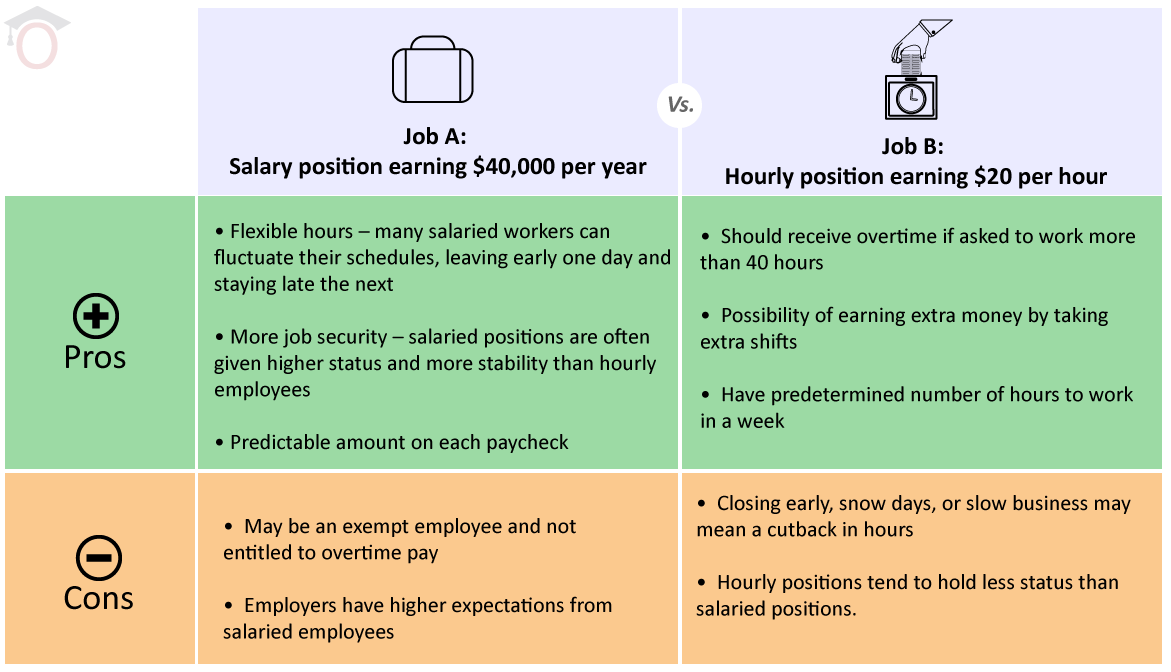
Handling multiple job offers simultaneously can be an exciting milestone, yet it often brings a significant amount of stress and heightened expectations. Maintaining composure and clarity throughout this period is crucial for making well-informed decisions that align with your career goals and personal well-being. Effectively managing stress helps preserve your mental health, enhances decision-making, and ensures you approach each step with confidence.
In a competitive job market, juggling several offers requires resilience, patience, and strategic thinking. Recognizing the importance of emotional regulation and realistic expectations allows you to stay grounded and focused, even when faced with the pressure of tight deadlines or high stakes. Implementing practical stress reduction techniques and fostering a positive mindset can significantly improve your experience during this critical phase of your career journey.
Developing Methods to Stay Calm and Focused
During the negotiations and decision-making process, maintaining mental clarity is essential. The following strategies help you stay composed amidst the complexity of multiple offers:
- Practice Mindfulness and Meditation: Engaging in daily mindfulness exercises or meditation sessions can help reduce anxiety, enhance focus, and promote emotional regulation. Even ten minutes of deep breathing or guided meditation can make a noticeable difference in calming the mind.
- Establish a Clear Schedule: Structuring your days with dedicated times for reviewing offers, preparing responses, and taking breaks ensures that you remain organized. This approach minimizes last-minute stress and prevents feeling overwhelmed.
- Prioritize Tasks and Set Realistic Goals: Breaking down your decision-making process into manageable steps helps you stay focused and reduces feelings of being overwhelmed. Setting achievable goals for each day keeps progress steady and manageable.
- Limit Distractions: Creating a clutter-free environment and turning off non-essential notifications during critical decision periods helps maintain concentration on your priorities.
Stress Reduction Techniques Tailored for Job Seekers
Given the high stakes involved, job seekers should adopt techniques specifically suited for managing anxiety and stress during negotiations and decision-making. These methods support mental well-being and help maintain a balanced perspective:
- Physical Exercise: Regular physical activity, such as brisk walking, yoga, or stretching, releases endorphins that naturally elevate mood and lower stress levels. Incorporating exercise into daily routines can improve resilience against work-related tension.
- Balanced Nutrition and Hydration: Consuming nutrient-rich foods and staying well-hydrated influence mood stability and cognitive function. Avoiding excessive caffeine or sugar can prevent spikes in anxiety.
- Scheduled Downtime: Allocating time for hobbies, social interactions, and personal reflection provides necessary mental relief. Disconnecting from work-related thoughts allows for renewed focus and a positive outlook.
- Professional Support and Peer Consultation: Sharing concerns with trusted friends, mentors, or career coaches can provide perspective, reduce feelings of isolation, and offer valuable advice during high-pressure moments.
Maintaining a Positive Mindset While Making Critical Decisions
Adopting a constructive outlook during this process is vital to navigate the emotional complexities involved. Cultivating optimism and self-confidence can influence your choices and overall satisfaction with the outcome.
“Focus on what you can control; your mindset and attitude are within your power and influence your experience significantly.”
Strategies to foster a positive mindset include:
- Practicing Gratitude: Regularly acknowledging the opportunities available and expressing gratitude for each offer helps shift focus from stress to appreciation, fostering a balanced perspective.
- Visualization Techniques: Envisioning successful outcomes and positive future scenarios enhances confidence and reduces fear of making the wrong decision.
- Affirmations and Self-Compassion: Using affirmations to reinforce your strengths and practicing self-compassion during challenging moments helps maintain a resilient attitude.
- Limiting Negative Self-Talk: Recognize and challenge negative thoughts, replacing them with constructive and encouraging statements to sustain motivation and clarity.
Legal and Ethical Considerations in Managing Multiple Offers
Navigating multiple job offers requires not only strategic planning and communication skills but also a keen awareness of the legal and ethical boundaries involved in the process. Upholding integrity and professionalism ensures that your reputation remains intact and that you make informed decisions aligned with industry standards and personal values. Understanding these considerations helps prevent potential legal complications and fosters respectful interactions with prospective employers.Legal and ethical considerations serve as foundational principles guiding how you handle multiple job offers responsibly.
They help maintain trust, avoid misunderstandings, and ensure compliance with contractual obligations. Adhering to these standards is essential for safeguarding your career and cultivating a positive professional image throughout the hiring process.
Honesty and Transparency with Potential Employers
Maintaining honesty is crucial when managing multiple offers. Employers value transparency, as it reflects integrity and fosters mutual trust. Being truthful about your current situation, including the fact that you are considering other offers, helps set realistic expectations and prevents misunderstandings that could damage relationships later.When communicating with prospective employers, clearly Artikel your timeline and decision-making process. If you receive an offer and have others under consideration, inform the employer politely and professionally, indicating your need for time to evaluate all options.
This openness demonstrates respect and allows employers to understand your circumstances, which can positively influence their willingness to accommodate your timeline.
Handling Confidentiality and Non-Compete Clauses
Confidentiality and non-compete agreements are legal instruments designed to protect company interests. When managing multiple offers, it is vital to respect these clauses to avoid legal repercussions and preserve professional integrity.Employers typically expect candidates to keep sensitive information confidential. Do not share proprietary data, trade secrets, or internal processes during interviews or negotiations. Additionally, review any non-compete agreements you may have signed with previous or current employers.
Ensure that accepting a new role does not violate these clauses, which could restrict your ability to work in certain industries or geographic locations.To navigate these issues responsibly, consider consulting with a legal professional if you are unsure about your contractual obligations. This proactive approach helps prevent potential disputes and ensures that your job search remains within legal boundaries.
Maintaining Professionalism Throughout the Process
Throughout the management of multiple offers, professionalism should remain a guiding principle. Promptly responding to inquiries, expressing gratitude, and communicating clearly contribute to a positive impression with potential employers.Always approach negotiations and discussions with courtesy and respect, regardless of the offer status. Even if you choose to decline an offer, do so politely and promptly, maintaining good relations for future opportunities or references.
Demonstrating professionalism enhances your reputation and can open doors to future collaborations or referrals.Furthermore, avoid any behavior that could be perceived as manipulative or dishonest, such as misrepresenting your intentions or qualifications. Upholding ethical standards ensures that your professional conduct aligns with industry expectations and supports long-term career success.
Epilogue

Successfully managing multiple job offers involves a combination of careful evaluation, effective communication, and strategic decision-making. By applying these techniques, you can handle the process with confidence, minimize stress, and choose the opportunity that truly fits your aspirations and values. Embrace this journey as a valuable step toward your professional development and future success.