Accepting a job offer is a pivotal moment that can set the tone for your future employment relationship. Navigating this process correctly ensures clarity, professionalism, and a positive start to your new role.
This guide Artikels a straightforward approach to accepting a job offer in three essential steps. From thoroughly reviewing the offer to confirming your acceptance and planning your next moves, each phase is designed to help you make informed and confident decisions.
Understanding the importance of accepting a job offer correctly

Accepting a job offer is a pivotal step in the employment process that sets the tone for your upcoming professional relationship. A proper acceptance not only demonstrates professionalism but also ensures clarity and mutual understanding between you and your prospective employer. This initial formal communication can influence your future experiences within the organization, affecting everything from onboarding to long-term career growth.A well-executed acceptance process can foster a positive impression, signaling your enthusiasm and respect for the company’s procedures.
Conversely, improper acceptance or delays can lead to misunderstandings, missed opportunities, or even jeopardize your employment status. Employers may interpret delayed responses as disinterest, and unprofessional communication might harm your reputation, impacting future references or opportunities.Immediately after receiving a job offer, it is essential to take specific steps to confirm your acceptance effectively. This involves reviewing the terms thoroughly, preparing a formal acceptance letter or email, and communicating your decision promptly.
Taking these steps with care ensures a smooth transition from candidate to employee and lays the foundation for a successful employment relationship.
Benefits of a proper acceptance process and its influence on employment relations
A methodical and respectful approach when accepting a job offer fosters trust and professionalism, which are fundamental for positive employment relations. When you formally accept an offer:
- You affirm your commitment and readiness to join the organization, establishing a professional tone early on.
- The employer perceives you as a reliable candidate who respects organizational protocols, increasing your credibility.
- Clear communication minimizes misunderstandings about job details, start dates, and expectations, leading to smoother onboarding.
- It helps in building a foundation of mutual respect, which can be beneficial for future negotiations, promotions, or resolving workplace issues.
Otherwise, an improper or delayed acceptance might lead to:
- Misunderstandings regarding your start date or role responsibilities.
- Risk of losing the offered position if the employer moves forward with other candidates.
- Potential damage to your professional reputation, especially if the employer perceives your response as unprofessional or unenthusiastic.
- Delays in the onboarding process, which could affect your integration into the team and your initial performance.
Immediate steps to take after receiving a job offer
Understanding what actions to perform immediately after an offer helps ensure a seamless transition into your new role. These steps include:
- Carefully review the offer letter or contract, paying close attention to salary, benefits, start date, and other conditions.
- If any terms are unclear or require negotiation, prepare your questions or counter-offers before responding.
- Formulate a formal acceptance message, either via email or a written letter, expressing gratitude and confirming your acceptance of the offer.
- Respond promptly, ideally within 24 to 48 hours, to demonstrate enthusiasm and professionalism.
- Keep a copy of the acceptance communication for your records, along with any related correspondence or signed documents.
- Notify your current employer about your resignation, if applicable, following proper protocols, to maintain good relationships and ensure a smooth transition.
These steps, executed with diligence and professionalism, lay a strong foundation for your new employment journey and reflect positively on your work ethic from the outset.
Step 1: Reviewing the Job Offer Thoroughly
Receiving a job offer is an exciting milestone, but it is equally important to carefully examine the details before making any commitments. This initial review ensures that the offer aligns with your expectations, career goals, and personal circumstances. A meticulous evaluation can prevent misunderstandings and set the foundation for a successful employment relationship.A comprehensive review of the offer letter or email involves analyzing several key elements.
These components collectively determine whether the position is a suitable fit and if the terms are acceptable. Comparing the offer against your personal expectations and current market standards further enhances your understanding and confidence in your decision-making process.
Elements to Examine in the Job Offer
Carefully scrutinize each aspect of the offer letter to ensure clarity and completeness. The following elements are critical:
- Salary and Compensation: Confirm the base salary, bonuses, commissions, or other forms of earnings. Ensure the figures match what was discussed during interviews and align with your financial needs.
- Benefits: Review health insurance, retirement plans, paid time off, parental leave, and any additional perks such as gym memberships or wellness programs.
- Start Date: Note the proposed commencement date and consider if it allows adequate time for your transition from current commitments.
- Job Responsibilities and Title: Clarify your roles, responsibilities, and reporting structure to assess whether they match your skills and career aspirations.
- Work Location and Remote Options: Confirm whether the position is onsite, remote, or hybrid, and verify the address or remote work policies.
- Legal Terms and Conditions: Examine clauses regarding confidentiality, non-compete agreements, intellectual property rights, and other legal obligations.
- Work Schedule and Hours: Understand the expected working hours, overtime policies, and flexibility options.
Comparing the Offer with Personal Expectations and Market Standards
To ensure the offer’s competitiveness and compatibility with your goals, it is essential to evaluate how it measures up against your personal expectations and prevailing market standards. This involves researching industry salary benchmarks, considering the overall compensation package, and assessing whether the role offers growth opportunities.
Start by listing your personal priorities, such as salary needs, work-life balance, career development, and benefits. Then, compare these priorities with the offer components. If possible, gather data from trusted sources like industry reports, salary surveys, or professional networks to benchmark typical compensation for similar roles in your geographical area.
Creating a comparison table can aid in visualizing differences between multiple offers or options, making it easier to identify which aligns best with your preferences and market value.
Example of a simple comparison table structure:
| Offer Details | Company A | Company B | Personal Expectations |
|---|---|---|---|
| Base Salary | $70,000 | $75,000 | $72,000 |
| Benefits | Health + 401(k) | Health + Stock Options | Health + Retirement Plan |
| Start Date | March 1, 2024 | April 15, 2024 | Flexible |
| Work Location | New York Office | Remote | Hybrid or Remote |
Step 2: Communicating Your Acceptance Effectively

Accepting a job offer is a pivotal step in advancing your career, and doing so with professionalism and clarity ensures a positive start to your new role. Effective communication of your acceptance not only confirms your enthusiasm but also sets the tone for your future working relationship. Whether through email or formal letter, crafting a well-structured and respectful message is essential to convey your appreciation and confirm the details of your employment agreement.Clear, concise, and professional language is fundamental when formally accepting a job offer.
Your communication should express gratitude for the opportunity, reaffirm key details such as start date, position, and any agreed-upon terms, and demonstrate eagerness to join the organization. This formal acceptance acts as an official record and helps prevent misunderstandings about your commitments.Below are sample templates for acceptance communication, highlighting the key components to include:
Sample Acceptance Email Template
When responding via email, ensure your message is polite, direct, and free of errors. Begin with a formal greeting, express gratitude for the offer, clearly state your acceptance, and confirm essential details. Close with a professional sign-off.
Dear [Hiring Manager’s Name],
I am writing to formally accept the offer for the [Job Title] position at [Company Name]. I appreciate the opportunity and look forward to contributing to your team. As discussed, my starting date will be [Start Date], and I am excited to begin working with you.
Please let me know if there are any documents or further steps required prior to my start date. Thank you once again for this opportunity.
Sincerely,
[Your Name]
Sample Acceptance Letter Template
For a formal letter, maintain a professional tone and structure. Address the recipient appropriately, express gratitude, clearly accept the offer, and confirm critical details. This format is suitable for situations where a physical or PDF letter is preferred.
[Your Name]
[Your Address]
[City, State, ZIP Code]
[Email Address]
[Phone Number][Date]
[Recipient’s Name]
[Title]
[Company Name]
[Company Address]
[City, State, ZIP Code]Dear [Recipient’s Name],
I am pleased to accept the offer for the position of [Job Title] at [Company Name]. I am grateful for this opportunity and am eager to join your esteemed team. As per our discussions, I will commence my duties on [Start Date].
Please inform me of any additional documentation or steps required before my start date. I look forward to working with you.
Thank you once again.
Sincerely,
[Your Name]
When addressing negotiations or questions before formally accepting, it is important to communicate clearly and professionally. Clarify any uncertainties about salary, benefits, or job responsibilities, and express openness to discussing any adjustments. This proactive approach demonstrates professionalism and a genuine interest in aligning expectations before committing to the offer.
Step 3: Confirming Acceptance and Next Steps

Once you have formally communicated your acceptance of the job offer, it is essential to proceed with confirming your commitment through official procedures and to clarify the subsequent steps. This ensures a smooth transition into your new role and demonstrates professionalism in your onboarding process. Proper confirmation not only solidifies your acceptance but also helps set clear expectations for both you and your employer, facilitating a seamless start.Confirming your acceptance typically involves signing necessary documents, such as employment contracts or agreements, and providing any additional documentation requested by the employer.
These formalities serve as binding confirmation of your employment and establish the legal and administrative details of your engagement. Additionally, asking about onboarding procedures and initial expectations is crucial to prepare adequately for your new position and to align your goals with the company’s onboarding process.
- Sign and return the official employment contract or acceptance letter, ensuring all terms are clearly understood and agreed upon.
- Provide any requested documents, such as proof of identity, certifications, or background check forms, to complete the onboarding process.
- Clarify onboarding procedures, including orientation schedules, training sessions, and key contacts, to understand how your integration into the company will proceed.
- Discuss initial expectations regarding your role, responsibilities, and objectives to align your efforts with the company’s goals.
- Set up meetings with your manager or team members to establish communication channels and understand immediate priorities.
- Prepare necessary documents or items, such as banking details for payroll, tax forms, or identification, in advance of your start date.
- Notify your current employer of your departure date professionally, adhering to notice periods and transition plans, if applicable.
Understanding and executing these follow-up actions diligently ensures a professional onboarding experience and sets a positive tone for your new employment journey. Confirmations and clarity on next steps minimize confusion, foster good relationships with your new employer, and facilitate a confident start in your new role.
Additional considerations in accepting a job offer

Accepting a job offer is a significant milestone in your career journey. While understanding the core steps is essential, there are additional factors that can influence your decision and future success. Paying attention to professionalism, managing multiple offers, and negotiating terms thoughtfully can ensure that your transition into a new role is smooth, confident, and aligned with your long-term goals.Recognizing these considerations helps in maintaining a positive professional image and making informed choices that benefit your career growth.
Being prepared for these scenarios demonstrates your commitment to professionalism and strategic thinking, which can leave a lasting impression on your prospective employer.
Maintaining professionalism and expressing gratitude in acceptance communications
When accepting a job offer, your communication should reflect professionalism and gratitude, as it reinforces your enthusiasm and respect for the opportunity. A well-crafted acceptance letter or email not only confirms your commitment but also establishes a positive tone for your future interactions with the organization.To ensure your message is effective:
- Express sincere appreciation for the offer and the opportunity to join the organization.
- Use formal language, maintaining a respectful and courteous tone throughout.
- Clearly state your acceptance of the offer, including any specific details or conditions discussed.
- Confirm your understanding of the key terms, such as start date, salary, and benefits.
- Maintain a tone of enthusiasm and readiness to contribute to the team.
Incorporating these elements demonstrates professionalism and leaves a positive impression that can influence future interactions and opportunities within the company.
Strategies for handling multiple offers and making informed decisions
Managing multiple job offers requires a strategic approach to ensure you select the position that best aligns with your career aspirations, values, and personal circumstances. It is important to evaluate each offer thoroughly and make decisions based on well-defined criteria.Consider the following strategies:
- Prioritize your criteria: Identify what matters most to you, such as salary, benefits, work-life balance, company culture, growth opportunities, and location.
- Compare offers objectively: Create a comparison chart to visualize differences in compensation packages, responsibilities, and organizational values.
- Seek clarification: Reach out to each prospective employer for any ambiguous terms or benefits to ensure clarity before making a commitment.
- Consult trusted advisors: Discuss your options with mentors, colleagues, or industry contacts who can provide valuable perspectives.
- Assess long-term potential: Consider how each role aligns with your career trajectory and personal development goals.
Making an informed decision involves balancing immediate benefits with future growth, ensuring your choice supports your professional objectives.
Approaches to negotiating terms post-acceptance if necessary
While accepting an offer is often seen as the final step, there are circumstances where negotiating certain terms even after acceptance is appropriate, especially if new information or considerations arise.Effective approaches include:
- Timing your negotiations: Initiate discussions only after formal acceptance and once you have thoroughly reviewed your contractual obligations.
- Remaining professional and courteous: Frame your requests positively, emphasizing your enthusiasm for the role and the value you bring to the organization.
- Clearly articulating your reasons: Provide specific justifications for your negotiation points, such as market salary standards, additional responsibilities, or personal needs.
- Proposing realistic adjustments: Be reasonable and flexible, offering alternatives that are mutually beneficial.
- Documenting agreements: Ensure that any negotiated changes are confirmed in writing to prevent misunderstandings.
By approaching negotiations thoughtfully and professionally, you can enhance your employment terms without compromising the positive rapport established during the acceptance process.
Final Thoughts
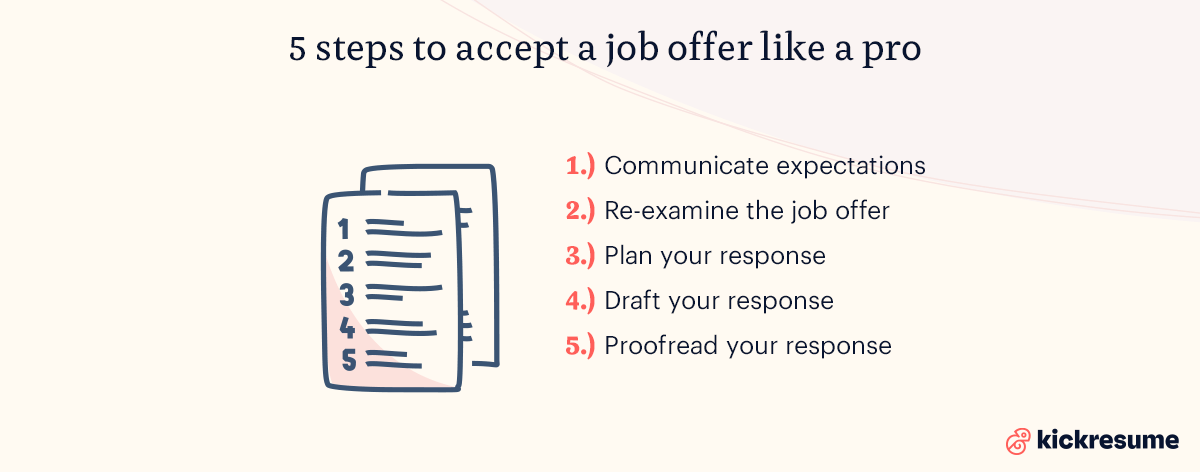
By following these three steps, you can ensure a seamless transition into your new position, fostering positive relations with your employer from the outset. Proper acceptance not only demonstrates professionalism but also lays a strong foundation for future success.