Preparing for a flight attendant interview requires thorough understanding and strategic planning to stand out among many candidates. It involves more than just answering questions; it encompasses researching the airline, showcasing relevant skills, and demonstrating confidence and professionalism. This guide provides essential insights to help aspiring flight attendants navigate the interview process effectively and confidently.
From mastering the responsibilities of the role to perfecting personal presentation, each step is designed to equip you with the knowledge and skills necessary for success. By approaching each aspect with preparation and enthusiasm, you can increase your chances of securing your desired position in the competitive airline industry.
Understanding the Flight Attendant Role and Requirements

Preparing for a flight attendant interview requires a comprehensive understanding of the core responsibilities and the expectations that airlines uphold. This knowledge not only helps in confidently demonstrating your suitability for the role but also ensures you are aware of the skills and qualifications necessary to succeed in this dynamic profession. Gaining insight into the daily duties and airline standards offers clarity on what the role entails and how to align your experience and qualities accordingly.
Flight attendants serve as the frontline representatives of their airline, balancing safety, service, and professionalism. Their responsibilities extend beyond passenger comfort to include critical safety protocols, emergency procedures, and ensuring a pleasant travel experience. Airlines look for candidates who demonstrate exceptional interpersonal skills, attentiveness, and a strong understanding of safety regulations. Recognizing these expectations allows applicants to tailor their responses and showcase relevant experiences effectively during the interview process.
Responsibilities, Skills, and Qualifications of a Flight Attendant
Understanding the specific duties, skills, and qualifications involved in the role provides a clear framework for what airlines seek in candidates. The following table summarizes these key aspects:
| Responsibilities | Required Skills | Qualifications |
|---|---|---|
|
|
|
“A successful flight attendant combines safety expertise with exceptional service skills, creating a positive and secure environment for all passengers.”
Researching the Airline and Its Culture
Preparing thoroughly for a flight attendant interview involves understanding the airline’s unique corporate identity. Gaining comprehensive knowledge about the airline’s mission, core values, and service standards not only reflects genuine interest but also enables you to tailor your responses to align with the company’s expectations. This research demonstrates your dedication and helps you stand out as a well-informed candidate.
Equally important is analyzing the airline’s target customer demographics, which provides insight into their preferences, expectations, and service priorities. Knowing whether the airline caters primarily to luxury travelers, budget-conscious passengers, or specific regions allows you to highlight relevant skills and experiences during your interview. Additionally, understanding the airline’s operational style and corporate culture supports your ability to showcase how you can contribute effectively within their environment.
Gathering Information about the Airline’s Mission, Values, and Service Standards
To effectively research an airline’s mission, values, and service standards, consider the following strategies:
- Visit the airline’s official website, focusing on the “About Us” section, corporate mission statements, and values. Many airlines include their service philosophy and customer commitment directly on their homepage or dedicated pages.
- Review recent press releases, annual reports, and corporate social responsibility (CSR) initiatives. These documents often highlight core principles and strategic priorities.
- Follow the airline’s official social media channels, including Facebook, Instagram, Twitter, and LinkedIn. These platforms showcase their customer engagement style, service approach, and cultural tone.
- Read customer reviews on platforms such as TripAdvisor, Skytrax, or airline-specific forums. Feedback from passengers can reveal insights into service consistency, areas of excellence, and aspects needing improvement.
- Attend industry webinars, symposiums, or conferences where airline representatives speak about their organizational goals and service standards, providing a behind-the-scenes perspective.
Analyzing the Airline’s Target Customer Demographics
Understanding who the airline primarily serves allows you to adapt your approach and demonstrate cultural fit during your interview. To analyze the target demographics:
- Identify the airline’s main markets by reviewing their route network, focusing on domestic versus international flights, regional hubs, and destinations. This helps determine whether the airline caters to business travelers, families, tourists, or luxury clients.
- Research the typical age group and income levels of their passengers through industry reports, travel analytics, or demographic data published by tourism boards or market research firms.
- Examine the airline’s branding and advertising campaigns to understand the messaging targeted at specific customer segments. For example, luxury-focused airlines emphasize exclusivity and premium service, while budget airlines highlight affordability and convenience.
- Review the airline’s loyalty programs to discern the profile of their frequent flyers, which often aligns with specific demographic groups or travel purposes.
- Explore customer service expectations expressed in reviews and feedback, noting the common preferences and concerns of their typical passengers. This enables you to align your service approach with passenger needs.
Key Factors to Consider about the Airline’s Operational Style
Understanding the airline’s operational style involves recognizing how they manage daily functions, customer interactions, and service delivery. Key factors include:
| Operational Style Factor | Details |
|---|---|
| Service Delivery Model | Whether the airline emphasizes personalized service, quick turnarounds, or efficiency-driven processes impacts how flight attendants should approach their duties. |
| Passenger Interaction Approach | Some airlines prioritize a warm, friendly atmosphere, while others focus on professionalism and formality. Recognizing this guides your communication style. |
| Crisis Management Protocols | Understanding their procedures for handling emergencies, delays, or difficult passengers prepares you to demonstrate confidence and adaptability. |
| Operational Priorities | Consider whether the airline emphasizes safety above all, quick service, or customer comfort, as this influences daily responsibilities and service standards. |
| Work Environment and Team Dynamics | Some airlines foster a highly collaborative environment, while others may have a more structured hierarchy. Knowing this helps you align your teamwork skills accordingly. |
Developing Customer Service Excellence
Creating a compelling impression during a flight attendant interview requires demonstrating exceptional customer service skills. It involves showcasing your ability to connect with passengers, handle diverse situations with professionalism, and exemplify the airline’s commitment to passenger satisfaction. Your goal is to illustrate not only your technical abilities but also your empathetic approach and problem-solving skills that ensure a positive flying experience for all travelers.Excellent customer service in the airline industry hinges on effective communication, patience, adaptability, and a genuine desire to assist.
During the interview, providing clear, concise, and warm responses to scenario questions can showcase your competency. Additionally, demonstrating your understanding of passenger needs and your ability to remain calm under pressure will help set you apart as a candidate capable of maintaining the airline’s standards of service excellence.
Showcasing Exceptional Customer Service Skills
In an interview, demonstrating your customer service excellence involves more than stating your skills; it requires illustrating them through specific examples and a confident demeanor. Use the STAR (Situation, Task, Action, Result) method to narrate experiences where you successfully addressed passenger needs or resolved issues. Emphasize your active listening skills, positive attitude, and empathy, which are vital in creating memorable passenger interactions.During responses, maintain a friendly and professional tone, ensuring your body language conveys openness and attentiveness.
Practice delivering scenarios confidently, highlighting your ability to personalize service, anticipate passenger needs, and go above and beyond to ensure comfort and safety. Be prepared to discuss how your previous experiences have honed your ability to provide consistent, high-quality service in fast-paced, sometimes challenging environments.
Handling Difficult Passengers Effectively
Handling difficult passengers requires patience, tact, and strong conflict resolution skills—qualities that recruiters highly value in a flight attendant. It is important to demonstrate that you can stay calm and composed, even in tense situations, while maintaining a respectful and empathetic approach.In the interview, be ready to share concrete examples of past experiences where you effectively managed conflicts or deescalated challenging interactions.
Emphasize communication techniques such as active listening, validating the passenger’s feelings, and offering practical solutions. It’s crucial to show your ability to remain professional and courteous, regardless of the circumstances, ensuring passenger concerns are addressed without compromising safety or airline policies.
Customer Service Scenarios to Rehearse
Preparing for interview scenarios related to customer service can greatly enhance your confidence and performance. Rehearsing specific situations allows you to articulate your problem-solving approach clearly and demonstrate your interpersonal skills effectively.Consider practicing scenarios such as:
- Assisting a passenger with special needs or mobility issues, ensuring they feel valued and supported.
- Handling a passenger who is upset about a delay or service disruption, maintaining a calm and empathetic tone while offering solutions or alternatives.
- Responding to a passenger who requests additional amenities or personalized service, balancing attentiveness with airline policies.
- Dealing with an unruly passenger who is disruptive or confrontational, employing conflict resolution techniques to de-escalate the situation safely.
- Managing a situation where a passenger’s medical emergency requires immediate attention, demonstrating responsiveness and calmness under pressure.
Role-playing these scenarios with a friend or mentor can help you articulate your responses confidently during the actual interview. Focus on demonstrating your proactive attitude, ability to listen, and commitment to passenger safety and comfort, all crucial elements in delivering customer service excellence as a flight attendant.
Conducting Mock Interviews and Self-Assessment
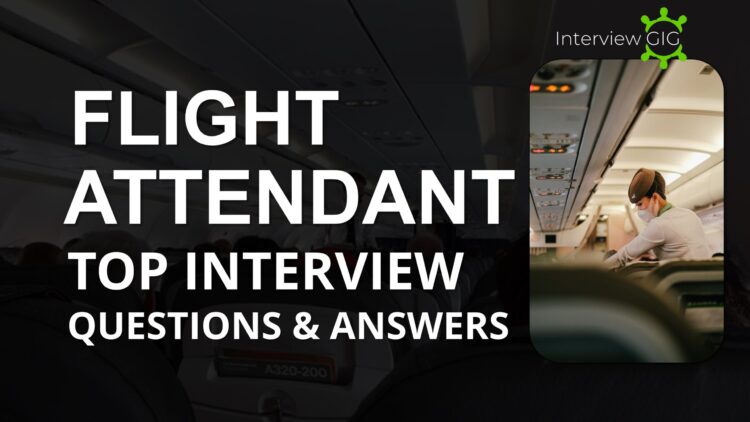
Preparing for a flight attendant interview involves not only understanding the questions but also mastering how to present oneself confidently. Engaging in simulated interview scenarios and conducting thorough self-assessments are essential steps in honing your skills, minimizing nervousness, and ensuring your responses align with airline expectations. These practices help build self-awareness and strengthen your ability to communicate effectively under pressure, ultimately increasing your chances of success in the real interview environment.Effective mock interviews mimic real interview conditions, allowing candidates to practice handling various questions and scenarios systematically.
Self-assessment complements this by enabling you to evaluate your performance critically, identify areas for improvement, and refine your approach. Combining these strategies fosters confidence, enhances your communication skills, and ensures readiness for the actual interview process.
Simulating Interview Scenarios for Practice
Simulating interview scenarios provides a safe and controlled environment to practice answering common and situational questions. This practice allows candidates to become familiar with the interview format, reduce anxiety, and improve their response delivery. To simulate effectively:
- Choose a quiet, comfortable space where you can focus without interruptions.
- Use a mirror or record yourself with a camera to observe your body language, facial expressions, and tone of voice.
- Prepare a list of typical airline interview questions, including behavioral, situational, and technical inquiries.
- Engage in role-playing by either answering questions aloud or having a friend or mentor pose questions as the interviewer.
- Practice time management by adhering to recommended response lengths, usually 1-2 minutes per answer.
- Repeat the process multiple times, progressively increasing the realism by simulating a panel interview or incorporating unexpected questions.
This iterative process helps simulate real interview pressure, enhances spontaneity, and improves your ability to think quickly and articulate responses confidently.
Self-Assessment Checklists for Responses and Demeanor
A structured self-assessment enables you to objectively evaluate your performance and identify specific areas for improvement. A comprehensive checklist should focus on both the content of your responses and your overall demeanor during practice sessions.
- Clarity of Communication: Were your answers concise, clear, and relevant?
- Body Language: Did you maintain good eye contact, sit upright, and avoid distracting gestures?
- Tone of Voice: Was your voice confident, friendly, and appropriately modulated?
- Knowledge of Airline and Role: Did your responses reflect understanding of the airline’s values and the flight attendant role?
- Handling Difficult Questions: Did you remain calm and composed when addressing challenging or unexpected questions?
- Time Management: Did your responses stay within the recommended duration without rushing or rambling?
Creating a personalized checklist based on these categories facilitates systematic evaluation after each practice session.
Step-by-Step Performance Review Process
A structured review process ensures continuous improvement by analyzing your performance methodically after each mock interview. Follow these steps:
- Record or Observe: Use video recordings or ask a trusted observer to provide feedback on your responses and body language.
- Review Responses: Listen or read your answers and assess their relevance, clarity, and professionalism against your checklist.
- Evaluate Demeanor: Observe your non-verbal cues, including posture, eye contact, and facial expressions, noting areas that seem confident or hesitant.
- Identify Strengths and Weaknesses: Highlight responses that effectively demonstrate your suitability and identify areas needing improvement, such as response structure or tone.
- Adjust and Rehearse: Based on your assessment, revise your answers for clarity and impact, and practice again focusing on weak points.
- Document Progress: Keep a journal of your evaluations to track your development over multiple practice sessions, setting specific goals for each iteration.
This systematic approach transforms practice into an effective learning experience, preparing you thoroughly for the actual interview with increased confidence and competence.
Understanding the Interview Process and Logistics
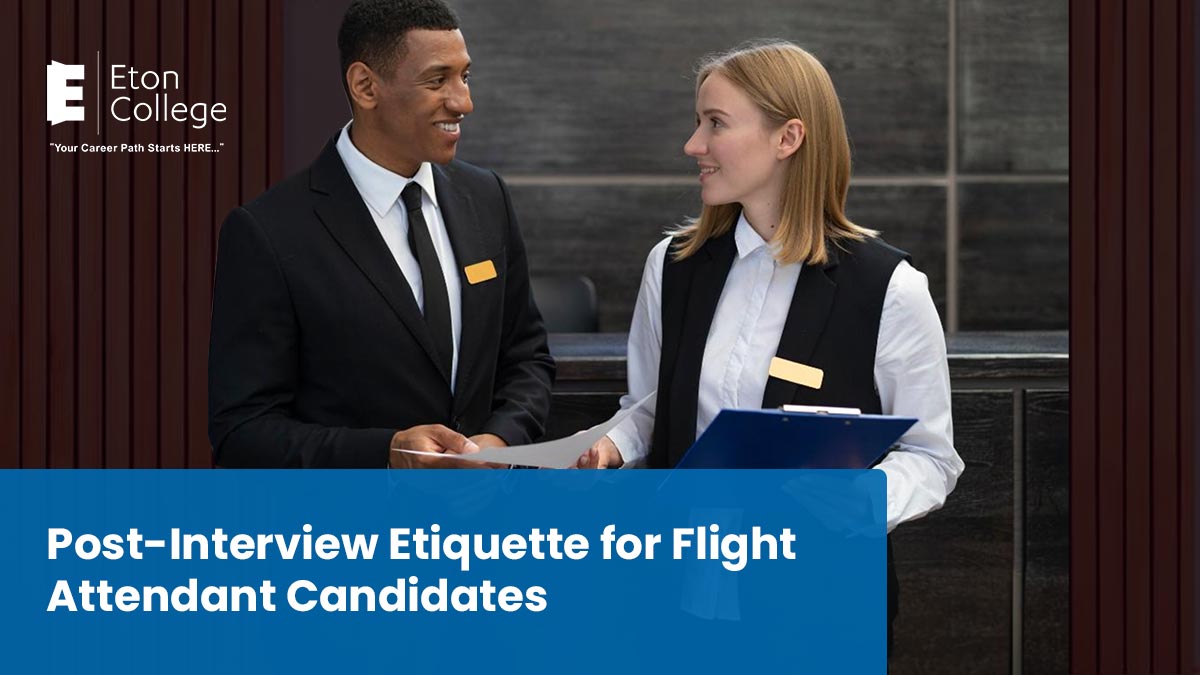
Preparing for a flight attendant interview involves more than showcasing your skills and qualifications; understanding the structure and logistical aspects of the interview process is crucial for success. This knowledge allows candidates to approach each stage with confidence, ensure timely arrivals, and present themselves professionally throughout the process. Familiarity with typical interview formats and effective management of anxiety and logistics contribute significantly to making a positive impression on hiring panels and increasing your chances of success.A comprehensive understanding of the interview process encompasses knowing the various stages involved, the formats these stages may take, and practical tips for managing nerves and logistical details.
This preparation ensures that candidates are not only ready to demonstrate their abilities but also demonstrate professionalism, punctuality, and a calm demeanor—qualities highly valued in the aviation industry.
Typical Interview Stages and Formats
The flight attendant interview process generally consists of multiple stages designed to assess different facets of a candidate’s suitability. These stages often include initial screening, group assessments, one-on-one interviews, and sometimes practical simulations or assessment days.The initial screening may be conducted via phone or video call, focusing on basic qualifications, availability, and motivation. Successful candidates are then usually invited to participate in assessment centers, which may involve group exercises, role-playing scenarios, or written assessments.
Final interviews tend to be face-to-face or virtual, where recruiters evaluate interpersonal skills, cultural fit, and problem-solving ability. Common interview formats include:
- Structured interviews: Focused on behavioral and situational questions aligned with the airline’s values.
- Panel interviews: Conducted by multiple interviewers to gauge consistency and multiple perspectives.
- Role-playing exercises: Simulating real-life customer service scenarios to assess communication and problem-solving skills.
- Group assessments: Evaluating teamwork, leadership, and adaptability within a group setting.
Understanding these formats enables candidates to prepare appropriately, practicing relevant skills and anticipating potential questions or exercises.
Managing Interview Anxiety and Logistics Planning
Effective management of anxiety and logistical planning plays a vital role in presenting oneself confidently during the interview process. Anxiety can be mitigated by thorough preparation, practice, and adopting relaxation techniques such as deep breathing or visualization exercises. Recognizing that nerves are normal helps candidates maintain composure and focus on showcasing their best qualities.Logistical planning ensures smooth attendance and punctuality, which are critical in the airline industry.
This involves confirming the interview location, understanding transportation options, and preparing necessary documents in advance. For virtual interviews, testing technology, internet connection, and a quiet, professional environment is essential.Creating a timeline or checklist helps organize preparations, reducing last-minute stress. For example:
- One week before: Review airline information, finalize travel arrangements, and prepare necessary documents.
- Three days before: Confirm interview details, test technology (if virtual), and review common interview questions.
- One day before: Pack essentials, check transportation routes, and plan your attire to match the airline’s standards.
- Interview day: Arrive early or log in ahead of schedule, review notes briefly, and engage with confidence and professionalism.
Quote important strategies:
“Preparation reduces uncertainty, and punctuality demonstrates respect and professionalism.”
By approaching the interview process with a clear understanding of its stages and logistics, candidates can navigate each step with confidence and poise, positioning themselves as strong contenders for the role.
Final Summary
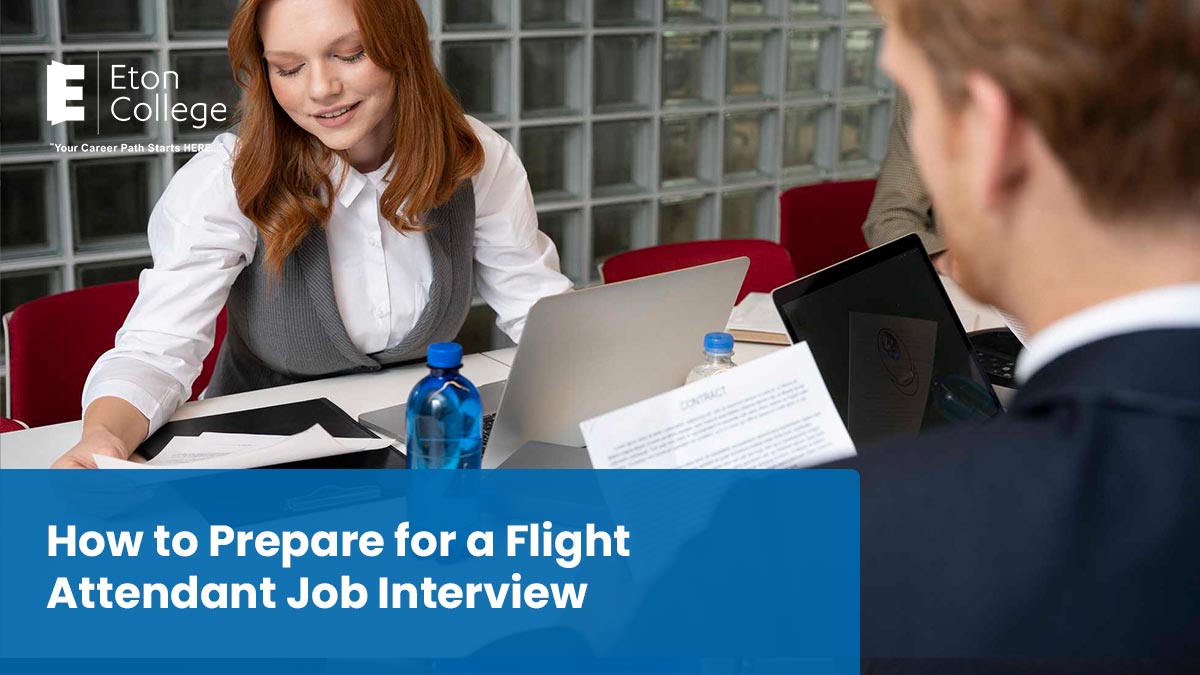
In summary, successful preparation for a flight attendant interview combines understanding the role, researching the airline, practicing responses, and presenting yourself professionally. By following these steps and maintaining a positive attitude, you will be well-equipped to impress interviewers and take a confident step toward your career in the skies.