Managing a large volume of job applications simultaneously can seem overwhelming, yet with the right strategies, it becomes an achievable task. Developing a systematic approach ensures that each application receives appropriate attention without sacrificing quality or efficiency.
This guide explores effective planning, organization, time management, customization, tracking, automation, and quality control techniques to help job seekers handle up to 100 applications confidently and professionally.
Strategic Planning for Managing 100 Job Applications

Handling a large volume of job applications requires a well-structured and strategic approach to ensure efficiency and maximize success. Developing a comprehensive plan helps track progress, prioritize opportunities, and maintain organization throughout the application process. This section Artikels essential methods to create an effective schedule, prioritize applications, and utilize organizational tools such as tables to streamline management.
By implementing these strategies, job seekers can systematically approach their applications, avoid missing deadlines, and focus their efforts on the most promising opportunities. A disciplined planning process not only saves time but also increases the likelihood of securing interviews and offers amidst a competitive job market.
Developing a Comprehensive Schedule for Application Tracking
Creating a detailed schedule to monitor each application’s status and deadlines is crucial for managing a high volume of submissions. An effective schedule acts as a centralized dashboard, providing real-time insights into your progress and upcoming actions.
Begin by listing each application with key details such as submission date, role, company, and deadlines. Use digital tools like spreadsheets or dedicated project management apps to set reminders for follow-up actions. Regularly update the schedule to reflect changes, interview invitations, or status updates. This proactive approach minimizes the risk of missing deadlines and ensures timely follow-up communication, which can be decisive in competitive hiring processes.
Prioritizing Applications Based on Role Importance and Deadlines
Prioritizing applications allows job seekers to allocate their time and effort strategically. It involves assessing each opportunity based on factors such as role relevance, company interest, and application deadlines. Proper prioritization ensures focus remains on high-potential positions while still maintaining progress on less urgent applications.
Implement a system to categorize applications into tiers such as high, medium, and low priority. For example, applications for roles that closely match your skills, are with preferred companies, or have approaching deadlines should be ranked higher. This approach helps allocate interview preparation, follow-up communication, and additional research effectively, maximizing your chances of success in desirable opportunities.
Organizing a Sample Application Tracking Table
Structured tabular organization is an effective method to maintain clarity and ease of management across numerous applications. An example table includes columns such as:
| Job Title | Company | Submission Date | Status | Follow-up Date |
|---|---|---|---|---|
| Data Analyst | XYZ Corporation | 2024-03-15 | Under Review | 2024-03-22 |
| Marketing Manager | ABC Inc. | 2024-03-16 | Interview Scheduled | 2024-03-25 |
| Software Developer | Tech Solutions | 2024-03-14 | Rejected | N/A |
Maintaining such a table enables clear visibility into each application’s current status and upcoming actions. Regularly updating this table ensures a consistent follow-up process and helps identify opportunities to adjust priorities if needed.
Effective Application Organization Techniques
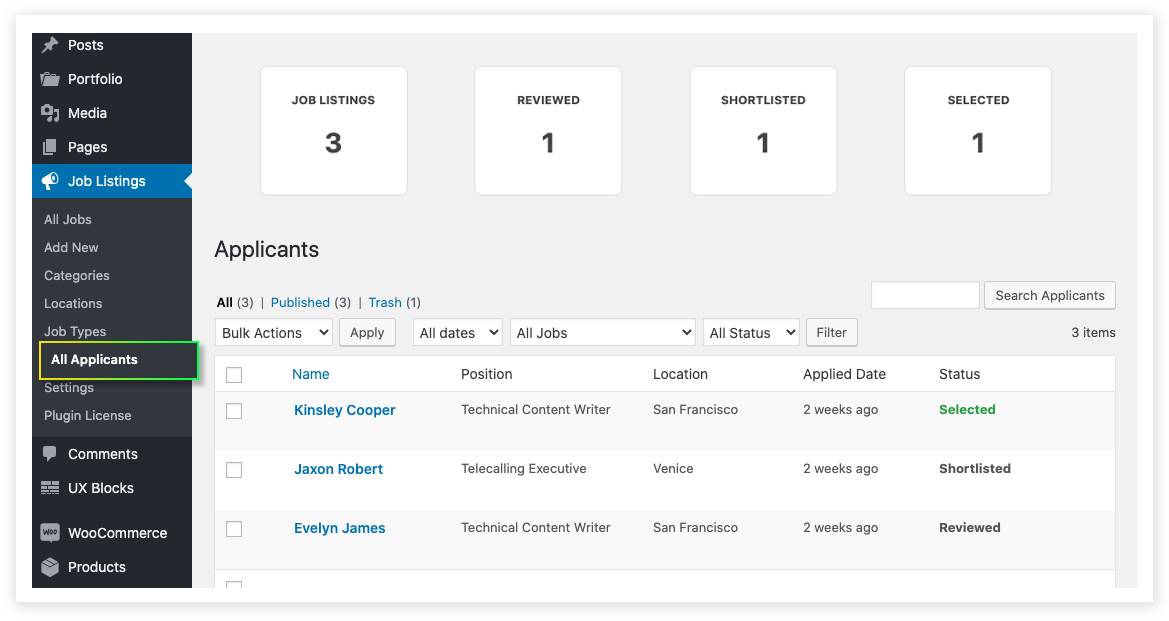
Managing a large volume of job applications requires a systematic approach to organization, ensuring that each application is tracked, prioritized, and easily accessible. When handling up to 100 applications simultaneously, establishing clear procedures and utilizing appropriate tools can significantly enhance efficiency and reduce the risk of overlooking opportunities. Proper categorization and robust management methods are essential for maintaining clarity and focus throughout the job search process.Organizing applications effectively involves creating a structured system that segments your applications based on relevant criteria such as industry, location, or application stage.
This enables quick filtering, easy updates, and an overall streamlined overview of your progress. Additionally, leveraging specialized software or tools can automate much of the tracking process, saving valuable time and preventing data loss or misplacement. The following procedures and tools are designed to facilitate this level of organization, making large-scale application management more manageable and efficient.
Procedures to Categorize Applications
Effective categorization begins with defining the key parameters that align with your career objectives. Common categories include industry sectors (e.g., technology, healthcare, finance), geographical location (e.g., New York, Remote, London), and application stages (e.g., Applied, Interview Scheduled, Offer Received). Establishing these categories allows for rapid filtering and tailored follow-ups.First, create a master list or spreadsheet, such as in Excel or Google Sheets, with columns representing each categorization parameter.
As you submit applications, assign each a unique Application ID for tracking purposes. Use drop-down menus or data validation features to standardize entries, minimizing errors and inconsistencies. Regularly update the status of each application to reflect real-time progress, which helps in prioritizing follow-ups and preparing for upcoming interviews.Second, consider grouping applications into folders or tags within your email client or project management tool.
For example, label emails or documents related to “Finance Industry” or “Remote Positions,” enabling quick retrieval and review. Consistent naming conventions and color-coding can further enhance visual organization, allowing you to identify high-priority applications at a glance.
Tools and Software for Organizing Applications
The management of large volumes of applications can be greatly simplified using digital tools designed for tracking and filtering. Utilizing the right software can automate reminders, generate reports, and provide a centralized dashboard for all your application data.Popular tools include:
- Excel or Google Sheets: Ideal for creating customizable spreadsheets with filtering capabilities, conditional formatting, and formulas to automate status updates.
- Applicant Tracking Systems (ATS): Platforms like Trello, Airtable, or specialized ATS software such as Huntr or JibberJobber offer visual boards, task management features, and integration options to streamline application processes.
- Project Management Tools: Tools like Asana or Notion can be tailored to include templates for applications, with task assignments, deadlines, and progress tracking.
Employing these tools allows for sorting applications by multiple criteria, setting reminders for follow-up actions, and generating reports to analyze your job search progress over time.
Application Tracking Table Layout
Creating a clear and comprehensive table layout helps in maintaining an organized view of all applications. Here is a suggested format for structuring your application tracking table:
| Application ID | Role | Date Applied | Contact Info |
|---|---|---|---|
| 001 | Software Engineer | 2024-03-01 | [email protected] |
| 002 | Financial Analyst | 2024-03-02 | [email protected] |
| 003 | Marketing Manager | 2024-03-05 | [email protected] |
This table allows for quick reference, easy sorting by any column, and immediate updates on application status, contact details, or follow-up requirements. Including additional columns such as “Application Stage” or “Interview Date” can further enhance tracking detail and strategic planning across your job applications.
Time Management Strategies for High Volume Applications
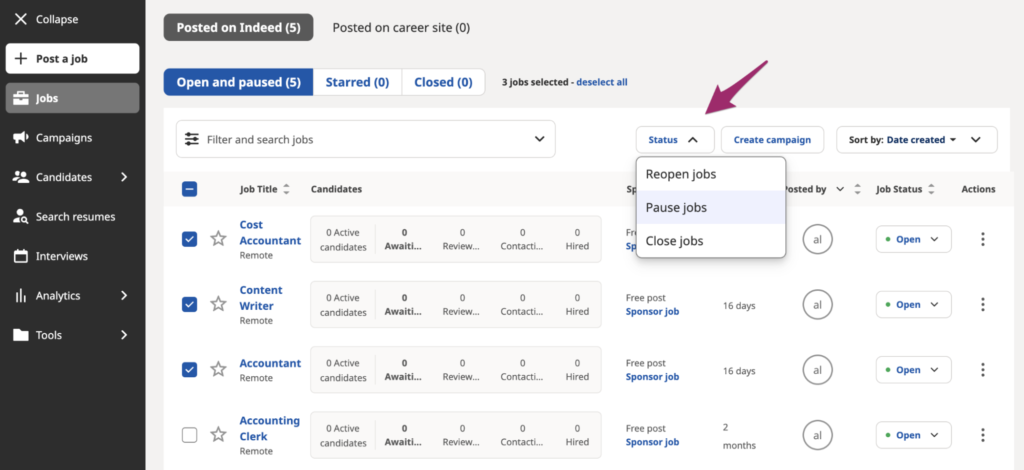
Managing a large volume of job applications requires meticulous planning and disciplined time allocation. Implementing effective time management strategies ensures that each application receives adequate attention while maintaining overall productivity. Structured scheduling minimizes stress, prevents burnout, and enhances the quality of each submission, ultimately increasing the chances of securing interviews.
Developing a systematic approach to allocate daily time blocks and batch similar tasks helps streamline the application process. This method allows for focused, uninterrupted work periods dedicated solely to updating resumes, customizing cover letters, and researching potential employers. By balancing consistency with flexibility, job seekers can maintain momentum and avoid feeling overwhelmed by the sheer volume of applications.
Dedicated Daily Time Blocks for Application Processes
Allocating specific time slots each day exclusively for job applications is crucial in maintaining steady progress. This approach fosters discipline, helps establish a routine, and prevents procrastination. Consistent daily effort ensures that applications are completed thoroughly and punctually, which is vital for competitive roles that attract a high number of candidates.
Effective strategies include setting aside particular hours—such as morning or early evening—when energy and concentration levels are typically higher. Utilizing calendar tools or digital reminders ensures these blocks are protected from interruptions. For example, dedicating one hour every morning to research, another hour in the afternoon for resume customization, and a final session in the evening for submission can create an efficient workflow.
Batch Tasks for Resume Customization and Cover Letter Writing
Batch processing similar tasks significantly improves efficiency when managing numerous applications. Instead of switching back and forth between tasks, consolidating activities like resume updates and cover letter drafting allows for focused, high-quality output. This technique minimizes mental fatigue associated with task switching and promotes consistency across applications.
For instance, allocate a specific day each week for resume tailoring, where multiple versions are customized for different industries or roles. Similarly, dedicate a separate session for creating adaptable cover letter templates that can be easily modified for individual applications. This approach accelerates the overall process and ensures each application maintains a professional and personalized tone.
Sample Timetable for Managing 100 Job Applications Daily
Implementing a structured timetable helps visualize and organize daily tasks efficiently. Below is an example of a daily schedule designed to balance research, customization, and submission tasks over a typical workday:
| Time Slot | Activity | Description |
|---|---|---|
| 8:00 AM – 8:30 AM | Job Market Research | Identify new job openings and update application targets based on current priorities. |
| 8:30 AM – 9:30 AM | Resume Customization | Tailor resumes for 3-4 specific roles, ensuring relevance and alignment with job descriptions. |
| 9:30 AM – 10:00 AM | Break | Rest and refresh to maintain focus for subsequent tasks. |
| 10:00 AM – 11:00 AM | Cover Letter Writing | Draft and personalize cover letters for the selected applications, emphasizing key skills and experiences. |
| 11:00 AM – 12:00 PM | Application Submission | Upload applications, double-check documents, and submit online forms. |
| 12:00 PM – 1:00 PM | Lunch Break | Rest and recharge for the remaining workday. |
| 1:00 PM – 2:00 PM | Follow-up Planning | Schedule follow-up emails or reminders for applications submitted earlier. |
| 2:00 PM – 3:00 PM | Additional Applications or Refinements | Address new postings or refine existing applications based on feedback or evolving priorities. |
| 3:00 PM onwards | Wrap-up and Planning for Next Day | Review completed tasks, set goals for the next day, and organize materials. |
Adopting this timetable enables a systematic, manageable approach to a high-volume application process, ensuring each step is completed with attention to detail while maintaining overall productivity and well-being.
Resume and Cover Letter Customization at Scale
Managing a large volume of job applications requires not only organization but also strategic customization of each resume and cover letter to stand out to employers. Developing adaptable templates enables efficient tailoring of application materials without sacrificing quality or personalization. This approach ensures each application aligns with the specific role, company culture, and key requirements, increasing the likelihood of success while maintaining productivity across hundreds of submissions.
Automation and Assistance Tools
Managing a high volume of job applications requires not only organization and strategic planning but also leveraging modern automation and assistance tools to streamline the process. These tools can significantly reduce manual effort, minimize errors, and ensure timely follow-ups, allowing job seekers to stay on top of their applications efficiently and effectively.Integrating automation tools into your job application process helps maintain consistent communication, track application statuses, and manage deadlines without becoming overwhelmed.
By utilizing specialized software and platforms, candidates can set up reminders, automate email outreach, and access centralized dashboards that keep all information organized in one place. This approach transforms an otherwise overwhelming task into a manageable workflow, freeing up valuable time and mental resources for personalized engagement and interview preparation.
Email Outreach Automation and Reminders
Effective email communication is crucial for follow-ups and maintaining contact with potential employers. Automation tools can facilitate this by enabling the scheduling of personalized emails to be sent at optimal times, ensuring consistent follow-up without manual effort. These tools can also send reminders for upcoming deadlines or interview appointments, reducing the risk of missed opportunities and keeping applicants proactive.Popular tools such as Mailchimp, Yesware, or Boomerang integrate seamlessly with email clients and allow users to set automated follow-up sequences.
They often include functionalities such as read receipts, click tracking, and template management, which help maintain professional and timely communication at scale. For instance, a candidate can set up a sequence of follow-up emails after submitting applications, ensuring each application receives appropriate attention without requiring constant manual intervention.
Integration with Application Tracking and Project Management Platforms
Seamless integration between job application management tools and broader project management or tracking platforms enhances workflow efficiency. Application tracking systems (ATS) like Trello, Airtable, or Asana can be customized to serve as central hubs for monitoring application progress, deadlines, and communication history.Integrating these platforms allows automatic updates from email automation tools or job portals, providing real-time status updates within a single dashboard.
For example, when an application status changes in an ATS, it can trigger notifications or update task lists automatically. This reduces manual data entry and ensures that all relevant information is consistently synchronized across tools, enabling better tracking and strategic follow-up actions.
Features of Recommended Software Solutions
When selecting automation and management tools for handling multiple job applications, certain features are essential to maximize productivity and organization:
- Customizable Email Templates: Ability to craft personalized emails that can be reused and adapted for different applications, saving time while maintaining professionalism.
- Automated Follow-ups and Reminders: Schedule follow-up emails and reminders for deadlines, interviews, or responses, ensuring no opportunity slips through the cracks.
- Centralized Dashboards: Visual interfaces that display the status of each application, upcoming tasks, and communication history, providing an at-a-glance overview.
- Integration Capabilities: Compatibility with email clients, ATS platforms, and project management tools to streamline data flow and reduce manual input.
- Notification Systems: Real-time alerts for application updates, interview requests, or follow-up deadlines to keep you proactive.
- Analytics and Reporting: Insights into response rates, follow-up effectiveness, and overall application progress, helping refine your approach over time.
By incorporating these features into your workflow, you can maintain a high level of organization, improve communication efficiency, and ensure that your job search remains strategic and manageable despite the volume of applications. Leveraging automation tools not only enhances productivity but also allows personalized engagement to stand out in a competitive job market.
Handling Rejections and Feedback Effectively

Managing a high volume of job applications inevitably leads to encountering rejections and receiving feedback from potential employers. Developing an organized approach to handle these responses is crucial for refining your application process, maintaining motivation, and ultimately increasing your chances of success. Properly managing rejection data and feedback can turn setbacks into opportunities for growth and strategic improvement in your job search efforts.Receiving feedback and rejections is an integral part of the job search journey, especially when applying to numerous positions.
Instead of viewing these as failures, treat them as valuable insight into the areas where your application or interview approach can improve. Systematic organization of this information enables you to identify patterns, recognize commonalities in rejection reasons, and tailor future submissions accordingly. Additionally, maintaining emotional resilience through targeted motivation strategies helps sustain your energy and focus during a demanding process.Analyzing rejection patterns involves categorizing feedback based on specific themes such as skill gaps, resume presentation, or interview performance.
This analysis allows you to pinpoint recurring issues and adapt your application materials or interview techniques to better align with employer expectations. By continuously refining your approach based on feedback, you can increase your overall success rate and reduce repetitive mistakes.
Organizing Feedback Received from Applications
Effective management of feedback begins with a centralized system for recording and categorizing responses from each application. Use a dedicated spreadsheet or database that includes columns for:
- Company name
- Position applied for
- Date of application
- Type of response (rejection, interview invitation, feedback)
- Specific feedback details
- Action taken or planned
Establishing such a detailed record allows you to easily track common criticisms or suggestions, identify patterns, and adjust your applications accordingly. Regularly reviewing this data ensures that you remain proactive in improving your materials and interview skills based on real feedback.
Maintaining Motivation and Managing Stress
The high volume of applications can lead to emotional fatigue and burnout if not managed carefully. To stay motivated:
“Celebrate small victories—such as positive feedback, interview calls, or networking contacts—to maintain a sense of progress.”
Incorporate regular breaks and stress-relief activities into your routine, such as exercise, meditation, or hobbies. Connect with support networks, whether friends, family, or professional groups, to share experiences and gain encouragement. Establishing realistic expectations and acknowledging the effort you’ve invested helps sustain your resilience throughout the process.
Analyzing Rejection Patterns to Adjust Strategies
Systematic review of rejection data reveals insights about your job search effectiveness. Look for:
- Recurring reasons cited in feedback, such as lack of specific skills or experience
- Industries or roles where rejection rates are higher
- Particular application times or formats that yield fewer responses
Using these insights, you can adapt your approach by:
- Enhancing skills through targeted training or certifications
- Refining your resume and cover letter to better highlight relevant experience
- Focusing on roles that align more closely with your strengths and background
- Adjusting your application timing or outreach method to increase engagement
This structured approach ensures continuous improvement and increases your chances of securing interviews and job offers in a competitive market.
Final Thoughts
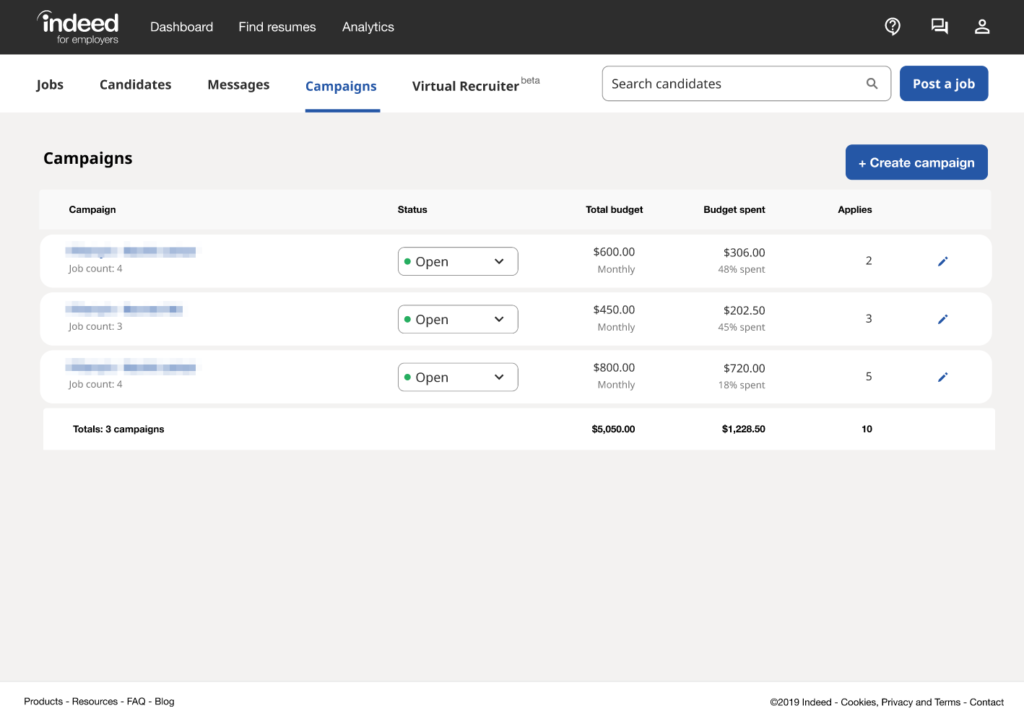
In summary, mastering the art of managing numerous job applications involves strategic planning, organized workflows, and leveraging automation tools. By implementing these practices, you can streamline your job search process, maintain high-quality submissions, and stay motivated throughout the journey toward your ideal career opportunity.