Learning how to write a resume in 2025 involves understanding the evolving landscape of recruitment, where technological advancements and industry trends continuously reshape expectations. As the job market becomes more competitive and digital, crafting a resume that stands out requires embracing innovation, personalization, and AI integration. This guide explores the latest standards, essential components, and future-forward strategies to help you create resumes that are both impactful and aligned with the demands of the modern workplace.
From incorporating multimedia elements and optimizing for applicant tracking systems to designing visually appealing and mobile-friendly formats, understanding these key aspects will ensure your resume remains relevant and effective. Whether you are entering the job market or seeking to refine your existing resume, staying ahead of these trends will maximize your chances of success in 2025 and beyond.
Overview of Resume Writing in 2025
By 2025, resume writing has undergone significant transformation driven by technological advancements and evolving industry standards. Traditional resume formats, once predominantly static documents submitted via email or physical copies, have now been replaced by dynamic, AI-enhanced profiles that adapt to the digital landscape. The integration of automation, data analytics, and personalization has made resumes more targeted, efficient, and reflective of individual competencies.
In the contemporary job market, personalization and AI integration have become essential components of effective resumes. Employers increasingly rely on Applicant Tracking Systems (ATS) and AI-driven screening tools to identify suitable candidates, making it crucial for resumes to be optimized with relevant s and tailored content. At the same time, candidates leverage AI-powered tools for editing, formatting, and even generating content, ensuring their resumes stand out while maintaining authenticity.
This evolution highlights the shift from generic, one-size-fits-all documents to highly customized, intelligent profiles aligned with specific job roles and organizational cultures.
Comparison of Resume Features: Traditional, Modern, and Future
| Feature | Traditional Resume | Modern Resume | Future Resume (2025 and beyond) |
|---|---|---|---|
| Format & Presentation | Static, text-based, usually PDF or Word document | Interactive, multimedia elements, linked portfolios, embedded videos | AI-generated, adaptive formats that customize content based on the viewer or AI analysis |
| Personalization | Generalized for broad roles, limited customization | Highly tailored to specific job descriptions, incorporating s and skills | Hyper-personalized through AI insights, including behavioral data and real-time feedback |
| Content Strategy | Focus on chronological work history and basic skills | Strategic s, measurable achievements, and industry-specific terminology | Data-driven, predictive content that emphasizes future potential and soft skills, with dynamic updates |
| Technology & Automation | Minimal; manual editing and submission | Use of ATS optimization tools, AI editing assistants | AI-driven resume builders, real-time content adjustments, and integration with digital profiles like LinkedIn, personal websites |
Key Trends Shaping Resume Formats and Content Strategies in 2025
Several transformative trends are influencing how resumes are constructed and utilized in 2025. The emphasis on personalization drives candidates to craft resumes that resonate with specific roles and organizational cultures, utilizing AI tools to fine-tune language and format. Visual storytelling, through infographics and multimedia integrations, has become a standard to demonstrate skills innovatively.
Moreover, the adoption of AI and machine learning continues to refine the screening process, prompting applicants to optimize their resumes with industry-specific s and real-time analytics. The rise of digital profiles, such as personalized micro-websites or interactive portfolios, enables candidates to showcase their expertise in a more comprehensive and engaging manner. Additionally, soft skills and cultural fit indicators are increasingly incorporated into resumes through embedded assessments and behavioral analytics, reflecting a broader shift towards holistic hiring practices.
Key Components of a Modern Resume
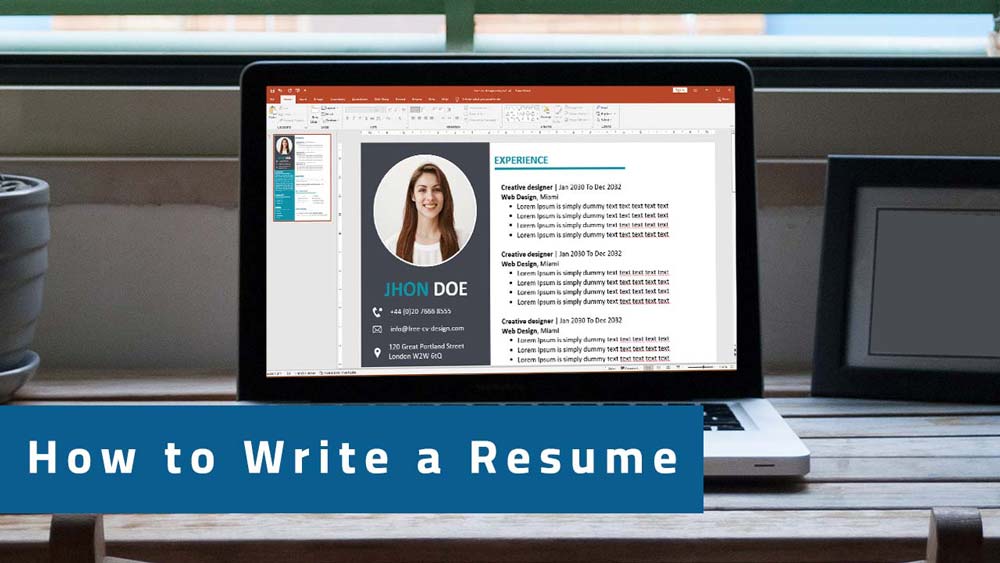
As the job market evolves, so does the standard format and content of a resume. A modern resume integrates traditional sections with innovative elements that showcase a candidate’s versatility, digital literacy, and engagement with emerging technologies. Understanding these components is essential for creating a compelling, up-to-date professional profile that captures the attention of recruiters and hiring managers in 2025.
In addition to the conventional sections such as contact information, professional summary, skills, work experience, education, and certifications, contemporary resumes often incorporate interactive and multimedia components. These components serve to provide a richer representation of the candidate’s capabilities, personality, and digital presence. The following breakdown offers a detailed view of the essential and innovative sections that define a modern resume in 2025.
Standard Sections of a Modern Resume
The backbone of any effective resume remains rooted in its core sections. These ensure recruiters can quickly assess the candidate’s qualifications, experience, and suitability for the role. In 2025, these sections are refined to emphasize clarity, relevance, and professionalism.
- Contact Information: Clearly display your name, phone number, professional email, and optional links to professional social media profiles or personal websites.
- Professional Summary: A concise paragraph summarizing your key skills, experiences, and career goals tailored to the specific role.
- Skills: A targeted list of technical, soft, and digital skills, often including proficiency levels and relevant tools or platforms.
- Work Experience: Chronologically detailed roles, emphasizing achievements, responsibilities, and measurable impacts, ideally formatted with bullet points for readability.
- Education: Academic qualifications, institutions attended, graduation dates, and relevant coursework or honors.
- Certifications and Professional Development: Relevant certifications, online courses, workshops, or industry-specific training that add value to your profile.
Innovative and Interactive Resume Sections
To stand out in a competitive landscape, modern resumes now incorporate sections that highlight digital literacy and engagement with multimedia. These sections provide a dynamic and interactive experience for the reviewer, allowing a more comprehensive display of the candidate’s capabilities beyond static text.
- Digital Portfolio: An online collection showcasing work samples, including design projects, writing, coding, or multimedia productions, linked directly within the resume via URLs or embedded panels.
- Video Introduction: A short, professional video where the candidate introduces themselves, Artikels their strengths, and expresses enthusiasm for the role, providing a personal touch.
- QR Codes: Embedded QR codes that direct recruiters to online profiles, portfolios, or specific project pages, facilitating quick access to additional information.
- Interactive Elements: Hyperlinked headings, downloadable files, or embedded presentations that allow recruiters to engage actively with the applicant’s content.
Structured Overview of Resume Sections
| Section | Purpose | Content Tips | Examples |
|---|---|---|---|
| Contact Information | Provides immediate contact details for outreach | Use a professional email, ensure clarity, include links to digital profiles | [email protected]; LinkedIn: linkedin.com/in/johndoe; Portfolio: johndoeportfolio.com |
| Professional Summary | Summarizes your value proposition and career objectives | Keep it concise (2-3 sentences), tailor to the role, highlight key skills | “Creative digital marketer with 5+ years experience in brand campaigns and social media management.” |
| Skills | Showcases relevant abilities and tools | Combine hard and soft skills, include proficiency levels, use s from job descriptions | Data Analysis (Advanced), Adobe Photoshop, Project Management, Communication |
| Work Experience | Details your professional background and achievements | Use reverse chronological order, focus on measurable accomplishments, use action verbs | Led a team of 10 on a project that increased sales by 20% over 6 months |
| Education | Lists academic background and relevant training | Include degrees, institutions, graduation years, relevant coursework or honors | B.Sc. in Computer Science, XYZ University, 2022 |
| Certifications & Professional Development | Highlights ongoing learning and specialized skills | Include certification name, issuing organization, date obtained | Certified Data Analyst (Google), 2023 |
| Digital Portfolio | Demonstrates practical work and projects | Ensure online portfolio is well-organized, mobile-friendly, and updated | Link to Behance or personal website showcasing completed projects |
| Video Introduction | Provides a personal connection and communication skills | Keep it professional, 1-2 minutes, clear audio and visuals | A brief introduction highlighting your background and enthusiasm for the role |
| QR Codes & Interactive Elements | Facilitates quick access to additional content | Place QR codes strategically, ensure they are scannable, and test links | QR code linking to a detailed project case study or LinkedIn profile |
Integrating Multimedia and Interactive Elements Effectively
Incorporating multimedia elements into a modern resume enhances engagement and provides additional context about your skills and experience. Effective integration involves balancing visual appeal with professionalism, ensuring that interactive features complement rather than distract from the core content.
To achieve this, candidates should prioritize clarity and relevance. For instance, embedding a hyperlink to a digital portfolio or a professional video introduction can allow recruiters to explore your work at their convenience. Using QR codes effectively requires ensuring they are easily scannable and lead to well-organized, high-quality content. When including multimedia, always test across devices and platforms to guarantee accessibility and consistency.
“The key to integrating multimedia in resumes is to enhance the narrative without overwhelming it, maintaining a balance between innovation and professionalism.”
By thoughtfully incorporating these elements, candidates can create a comprehensive, engaging, and modern resume that stands out in 2025’s competitive job market.
Writing an Impactful Resume Summary in 2025
In 2025, crafting a compelling resume summary remains a vital step in capturing the attention of hiring managers and automated screening systems alike. As AI-driven applicant tracking systems (ATS) become increasingly sophisticated, the ability to tailor summaries that effectively communicate your unique value proposition is more crucial than ever. An impactful summary offers a concise yet powerful snapshot of your skills, experience, and professional goals, setting the tone for the rest of your resume.
Effective resume summaries in 2025 must balance clarity, brevity, and optimization to ensure they resonate with both ATS algorithms and human recruiters. Leveraging strategic language and highlighting quantifiable achievements can significantly enhance your chances of progressing to the interview stage. Below, we explore strategies to craft summaries that stand out in a competitive job market, especially in an environment increasingly dominated by AI parsing.
Strategies for Crafting AI-Optimized Resume Summaries
To enhance your resume summary’s effectiveness in 2025, it is essential to understand how automated screening tools evaluate content. Many ATS platforms scan for specific s, skills, and relevant achievements that match the job description. Therefore, incorporating these elements organically into your summary increases the likelihood of passing initial filters.
Use the following techniques to optimize your summary for AI parsing:
- Incorporate Relevant s: Carefully analyze the job listing and include industry-specific terms, skills, and certifications that ATS algorithms prioritize. For example, if applying for a data analyst role, include s like
“data visualization,” “SQL,” “machine learning,”
and
“statistical analysis.”
- Highlight Unique Value Propositions: Clearly articulate what differentiates you from other candidates. Use concise language to emphasize your core strengths and specific accomplishments.
- Quantify Achievements: Numbers and measurable results catch the eye of both AI and human reviewers. For instance, mention “increased sales revenue by 20%” or “managed a team of 10 professionals.”
- Tailor for Each Application: Customize your summary to match the requirements of each role, ensuring the inclusion of relevant s and skills specific to that position.
Sample Resume Summary Templates Optimized for AI Parsing
Below are templates designed to incorporate s, skills, and achievements effectively, making them suitable for AI screening and appealing to human recruiters alike:
<blockquote>Results-driven marketing specialist with over 8 years of experience in digital campaigns, , and brand management. Proven success in increasing online engagement by 35% and generating $2M in revenue. Skilled in Google Analytics, content strategy, and social media advertising. Adept at leveraging data analytics and innovative strategies to deliver measurable results.</blockquote>
<blockquote>Experienced software engineer with a strong background in Java, Python, and cloud computing.Managed cross-functional teams to develop scalable applications that improved operational efficiency by 25%. Certified AWS Solutions Architect and proficient in DevOps, CI/CD pipelines, and containerization. Committed to delivering high-quality, reliable software solutions.</blockquote>
<blockquote>Certified project manager with 10+ years leading complex IT projects in healthcare and finance sectors. Expertise in Agile methodologies, risk management, and stakeholder communication. Successfully delivered projects on time and under budget, resulting in cost savings of up to 15%.Strong skills in MS Project, Scrum, and stakeholder engagement.</blockquote>
In conclusion, a well-crafted resume summary in 2025 combines strategic integration with clear demonstration of your unique value, supported by quantifiable achievements. Tailoring your summary for each application enhances the likelihood of passing AI screening and capturing the attention of hiring professionals, setting the stage for your successful job search.
Showcasing Skills and Experience Effectively
Presenting skills and experience in a clear, compelling manner is essential for capturing the attention of hiring managers in 2025. As the job market evolves, so do the best practices for showcasing your qualifications to stand out amidst increasing competition and rapidly changing industry standards.
Effective presentation involves not only listing relevant skills but also demonstrating how they contribute to your overall value proposition. It requires strategic categorization, quantification, and alignment with the specific requirements of targeted roles, ensuring your resume resonates with both automated applicant tracking systems (ATS) and human reviewers.
Best Practices for Listing Skills in 2025
In 2025, resumes should balance the inclusion of technical and soft skills, emphasizing those most relevant to the prospective role. Prioritize skills that align with the job description, using industry-specific s and action-oriented language to optimize discoverability and impact.
- Prioritize relevance: Tailor your skills section to match the specific s found in the job posting, leveraging tools like analyzers or AI-powered resume optimizers.
- Segment skills: Divide skills into categories such as Technical, Interpersonal, and Leadership to provide clarity and structure. This segmentation helps recruiters quickly identify your core competencies.
- Use clear formatting: Employ bullet points, bolded headings, and concise descriptions to enhance readability and ATS compatibility.
Quantifying Achievements and Including Measurable Results
Showcasing achievements through quantification demonstrates tangible value and enhances credibility. Using measurable results paints a compelling picture of your impact, making your resume more persuasive and memorable.
Employ metrics such as percentages, dollar figures, project milestones, or client satisfaction scores to quantify accomplishments effectively.
- Identify key accomplishments: Pinpoint specific projects or roles where your contributions led to measurable improvements or growth.
- Use concrete data: Include data like “Increased sales by 30% over six months” or “Reduced processing time by 25%, saving $50,000 annually.”
- Highlight results in context: Frame achievements within the scope of the company’s objectives to showcase your strategic impact.
Categorizing Skills in a Resume
Organizing skills into distinct categories enhances clarity and emphasizes your versatile expertise. This structured approach helps recruiters quickly assess your suitability for the role based on specific competencies.
| Skill Category | Examples | Description |
|---|---|---|
| Technical Skills | Data Analysis, Programming Languages (Python, Java), Cloud Computing (AWS, Azure), Cybersecurity | Specialized technical abilities pertinent to the job, demonstrating your capacity to perform core tasks efficiently. |
| Interpersonal Skills | Effective Communication, Team Collaboration, Conflict Resolution, Emotional Intelligence | Abilities that enable you to work well with others and contribute to a positive work environment. |
| Leadership Skills | Strategic Planning, Decision Making, Mentoring, Project Management | Capabilities that reflect your ability to guide teams, manage projects, and drive organizational goals. |
Aligning Skills with Job Descriptions Using s and Action Verbs
Matching your skills to the specific language of the job description enhances your resume’s relevance and ATS performance. Utilizing s and action verbs ensures your qualifications are highlighted effectively and resonate with recruiters’ expectations.
- Analyze the job posting: Extract key skills, qualifications, and industry-specific terminology used by the employer.
- Integrate s naturally: Incorporate these s into your skills section, experience descriptions, and achievements without stuffing.
- Use dynamic action verbs: Start each bullet point with powerful verbs like “Led,” “Developed,” “Optimized,” or “Innovated” to demonstrate initiative and impact.
For example, replacing vague phrases like “responsible for managing projects” with “Led cross-functional teams to deliver projects on time and under budget, increasing client satisfaction by 20%” significantly elevates the strength of your resume. Tailoring your language to mirror the job description not only improves ATS results but also captures the attention of hiring managers by clearly aligning your qualifications with their needs.
Incorporating Technology and AI Compatibility
In the evolving landscape of recruitment, leveraging technology and ensuring AI compatibility are essential components of a modern resume. As applicant tracking systems (ATS) become increasingly sophisticated, tailoring resumes to navigate these digital filters effectively enhances your chances of securing interviews. Understanding the best practices for optimizing resumes for ATS ensures your application is not only seen but also prioritized by hiring algorithms.
Optimizing resumes for AI-driven applicant tracking systems involves strategic use of s, standard formatting, and metadata. These elements help ATS software accurately scan, parse, and rank your document according to the job description and company’s criteria. Implementing these guidelines ensures your resume remains competitive in the digital screening process, regardless of the industry or role.
Optimizing Resumes for Applicant Tracking Systems (ATS)
To maximize ATS compatibility, it is crucial to understand how these systems operate. ATS software scans resumes for specific s, phrases, and formatting that match the job description. If your resume lacks the right s or uses non-standard formats, it risks being filtered out before a human review. Therefore, aligning your resume content and structure with ATS requirements increases visibility and effectiveness.
Below are essential guidelines for optimizing resumes for ATS:
- Use s Strategically: Incorporate relevant s from the job description naturally throughout your resume. Focus on skills, qualifications, and industry-specific terminology that match the employer’s criteria.
- Standard Formatting: Employ simple, clean layouts using common fonts like Arial, Calibri, or Times New Roman. Avoid tables, columns, headers, footers, and graphics that can confuse ATS parsing algorithms.
- Consistent Section Headings: Use clear and conventional section titles such as “Work Experience,” “Education,” and “Skills” to facilitate accurate parsing.
- Utilize Metadata and File Types: Save your resume in universally accepted formats such as .docx or PDF (if compatible), and include relevant metadata such as your name and the position title in the document properties.
Testing Resume Compatibility with ATS Software
To ensure your resume performs well with ATS, a systematic testing process is recommended. This process helps identify potential issues that may prevent your resume from passing digital screening effectively.
- Use ATS Simulation Tools: Employ online ATS simulators or resume scanning tools such as Jobscan or VMock. Upload your resume and the job description to see how well your document matches the s and criteria.
- Analyze the Results: Review the compatibility score and identify missing s or formatting issues highlighted by the tool. Pay special attention to sections where the system may struggle to parse your information.
- Refine Your Resume: Incorporate suggested s, simplify formatting, and clarify section headings based on the feedback. Repeat the test until your resume scores highly and passes the compatibility check convincingly.
- Manual Review: Open your resume in plain text format or use a text editor to verify that all essential information appears correctly and is free of extraneous symbols or formatting glitches.
Comparison of Traditional and AI-Optimized Resume Formatting
| Aspect | Traditional Resume Format | AI-Optimized Resume Format |
|---|---|---|
| Layout | Creative designs with graphics, columns, and decorative elements | Simplified, linear layout with straightforward sections |
| Fonts | Varied fonts and stylized headings | Common, machine-readable fonts like Arial or Calibri |
| Headings | Creative or unconventional headings | Standard headings such as “Work Experience,” “Skills,” “Education” |
| Use of Graphics | Infographics, icons, or images integrated into the design | Minimal or no graphics; focus on text content |
| File Format | Often saved as PDF with complex formatting | Preferred formats are .docx or simple PDFs without embedded images |
| s | Embedded naturally but often overlooked by ATS | Strategically incorporated for maximum visibility by ATS |
| Metadata | Limited or no metadata included | Includes relevant s in document properties for enhanced indexing |
Visual Design and Formatting Trends in 2025
In the rapidly evolving landscape of resume writing in 2025, visual design and formatting have become as crucial as the content itself. An aesthetically appealing yet functional resume captures attention and facilitates quick comprehension by recruiters and automated systems alike. Staying abreast of the latest trends ensures your resume remains competitive and accessible across various devices and platforms, making your application stand out in a crowded job market.Effective visual design in 2025 emphasizes clean, modern aesthetics that align with contemporary digital preferences.
Resumes are increasingly optimized for mobile devices, ensuring readability and responsiveness on smartphones and tablets. A well-structured layout not only highlights key information but also enhances the applicant’s professional image. As technology advances, incorporating elements like subtle visual cues and intuitive sectioning helps guide the reader through your qualifications seamlessly.
Balance Between Aesthetic Appeal and Readability
Achieving a harmonious balance between aesthetic appeal and readability is fundamental in modern resume design. Overly decorative layouts can distract or overwhelm, while minimalist styles enhance clarity and professionalism. Prioritize clarity by choosing a layout that directs the reader’s eye naturally through the document, highlighting the most important sections first.Consistency in design elements such as spacing, font choices, and section separation contributes to visual coherence.
Use whitespace strategically to prevent clutter, making each section distinct yet cohesive. Remember, the goal is to create a visually engaging resume that also allows quick scanning and easy comprehension, especially for busy recruiters who may review dozens of applications daily.
Design Tips for Fonts, Colors, and Section Layouts
Selecting the appropriate fonts, color schemes, and layout structures is crucial for creating an engaging and accessible resume in
2025. Consider the following recommendations
- Fonts: Opt for modern, professional typefaces such as Sans-serif fonts like Helvetica, Arial, or Calibri. Limit to two fonts maximum—one for headings and another for body text—to maintain visual harmony. Ensure font sizes are legible across devices, typically 10–12pt for body and slightly larger for headers.
- Colors: Use a restrained color palette mainly consisting of neutral tones like navy, charcoal, or dark gray for backgrounds and text. Incorporate accent colors sparingly—such as muted blues or greens—to highlight headings or key information—keeping the overall look professional and accessible, especially for those with color vision deficiencies.
- Section Layouts: Organize information into clearly defined sections with consistent headings and spacing. Use visual dividers like horizontal lines or subtle shading to separate sections without cluttering. Employ responsive design principles to ensure layouts adapt smoothly across screen sizes, emphasizing mobile responsiveness.
“Prioritize readability and accessibility by choosing simple yet elegant design elements that adapt seamlessly to various devices and user needs.”
Additional tips include avoiding overly complex graphics or backgrounds that may hinder readability, especially on smaller screens. Incorporating responsive grids and flexible layouts ensures your resume looks professional and functions well on desktops, tablets, and smartphones alike. By combining these design practices, you can craft a visually compelling resume that communicates your qualifications effectively while embracing the technological expectations of 2025.
Additional Elements for a Future-Ready Resume
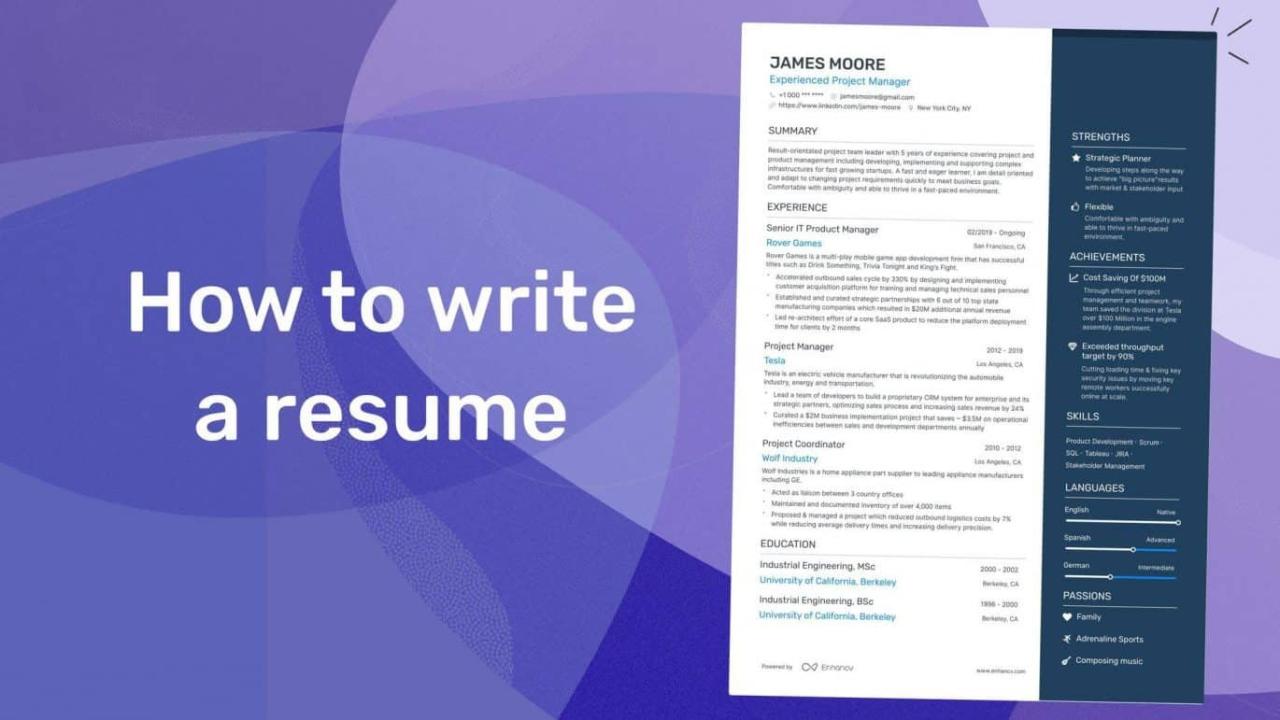
As the landscape of professional recruitment continues to evolve with technological innovations, incorporating advanced elements into your resume becomes essential. These enhancements not only demonstrate your adaptability but also leverage digital tools to showcase your capabilities more dynamically. Integrating multimedia, online portfolios, and ensuring data security are key strategies for crafting a compelling, future-ready resume that resonates with recruiters in 2025 and beyond.Embedding digital portfolios, links to online projects, and social media profiles transforms a static document into a vibrant showcase of your professional journey.
This approach allows recruiters to explore your work firsthand, gaining insights into your skills, creativity, and digital literacy. Embedding multimedia content such as videos or infographics further elevates this experience, providing interactive and engaging elements that stand out in a competitive job market. Creating responsive, interactive resumes ensures they adapt seamlessly across devices, offering a user-friendly experience that emphasizes your technical proficiency.
Lastly, safeguarding privacy and data security when sharing personal information remains paramount, requiring thoughtful procedures to protect sensitive data while maintaining transparency.
Integration of Digital Portfolios, Online Projects, and Social Media Profiles
Incorporating links to online portfolios, project repositories, and professional social media profiles enriches your resume by providing direct access to your digital footprint. This integration offers recruiters a comprehensive view of your work, including code samples, design projects, articles, or case studies hosted on platforms like GitHub, Behance, or LinkedIn. To effectively embed these links:
- Place URLs within the contact section, ensuring they are active and up to date.
- Use hyperlink text that clearly indicates the destination, such as “My Portfolio” or “LinkedIn Profile”.
- Consider using QR codes for printed resumes, directing recruiters instantly to your online presence.
This approach not only showcases your skills but also demonstrates your familiarity with digital tools essential in today’s workplace.
Embedding Multimedia Content: Videos and Infographics
The inclusion of multimedia elements makes resumes more engaging and allows for a deeper presentation of your skills and achievements. To embed videos:
- Host videos on secure platforms like YouTube or Vimeo with privacy settings adjusted to restrict access if necessary.
- Insert a hyperlink or a thumbnail image linking to the video, accompanied by a brief descriptive caption.
- Ensure videos are concise, professional, and relevant to the role.
For infographics:
- Create visual summaries of your skills, career milestones, or project outcomes using tools like Canva or Adobe Illustrator.
- Embed or link these graphics directly within your resume document or online portfolio.
- Maintain clarity and simplicity to ensure quick comprehension by recruiters.
Incorporating multimedia enhances storytelling, making your resume memorable and impactful.
Creating Interactive Resumes Using Responsive Design Techniques
Responsive design techniques enable your resume to adapt seamlessly to various devices and screen sizes, ensuring accessibility and a professional appearance across platforms. To create such resumes:
- Use HTML5 and CSS3 frameworks, like Bootstrap or Foundation, to structure and style your resume with flexible layouts.
- Opt for scalable images and vector graphics to maintain visual clarity on all devices.
- Incorporate interactive elements such as clickable sections, collapsible content, or hover effects to improve navigation.
- Test the resume on multiple devices and browsers to identify and rectify responsiveness issues.
This approach not only reflects your digital proficiency but also caters to modern recruiters who prefer mobile-friendly formats.
Ensuring Privacy and Data Security When Sharing Personal Information
Protecting sensitive information while providing sufficient details to showcase your professionalism is vital. Establishing secure procedures involves:
- Using encrypted platforms or secure links (HTTPS) when sharing your online portfolio or multimedia content.
- Limiting the amount of personal data included on publicly accessible resumes, such as avoiding overly detailed addresses or personal identifiers.
- Implementing privacy settings on social media profiles and online projects to control who can view your work and information.
- Applying watermarking or digital signatures to multimedia content to prevent unauthorized use.
- Being transparent with recruiters about which information is publicly available and which is shared privately or upon request.
Adopting these practices ensures that your digital presence remains professional, secure, and aligned with best data protection standards, building trust with potential employers.
End of Discussion
In conclusion, mastering how to write a resume in 2025 requires a blend of traditional professionalism and innovative adaptability. By integrating the latest technological tools, customizing your content for automation, and ensuring your design is both attractive and accessible, you can create a compelling narrative of your skills and achievements. Staying informed about emerging trends will empower you to craft resumes that not only catch the eye of recruiters but also pass through advanced screening systems seamlessly, opening doors to new opportunities.