Mastering the art of attending two career workshops each month can significantly enhance your professional development and broaden your industry connections. This strategic approach requires careful planning and effective time management to seamlessly integrate these valuable learning opportunities into your busy schedule.
By implementing targeted strategies for selecting suitable workshops, preparing thoroughly, and actively engaging during sessions, you can maximize the benefits of each workshop while maintaining your existing commitments. This guide offers practical insights to help you efficiently balance multiple workshops and leverage their content for your career advancement.
Strategies for Scheduling Two Career Workshops Monthly
Attending two career workshops each month is an effective way to enhance professional development and expand networking opportunities. Proper planning and strategic scheduling are essential to ensure consistent participation without compromising existing commitments. Developing a systematic approach can help you maximize the benefits of these workshops while maintaining balance in your professional and personal life.
Implementing effective strategies for scheduling involves understanding your time availability, selecting relevant workshops aligned with your career goals, and establishing techniques to integrate these sessions seamlessly into your busy schedule. By adopting these methods, you can create a sustainable routine that fosters continuous growth and learning.
Methods for Effective Time Planning and Allocation
Efficient time management is crucial to accommodate two workshops per month without causing conflicts with work deadlines or personal obligations. The following strategies can help you allocate your time effectively:
- Assess Your Weekly Schedule: Review your current commitments to identify free time slots, focusing on evenings, weekends, or lunch breaks that can be dedicated to workshops.
- Set Priority Levels: Determine which workshops are most relevant and beneficial based on your career objectives. Prioritize these sessions when scheduling.
- Block Dedicated Time: Allocate specific blocks of time in your calendar for workshop attendance, treating them as non-negotiable appointments.
- Use Digital Tools: Employ calendar apps with reminder features to avoid overlooking scheduled workshops and to manage multiple commitments efficiently.
- Plan Ahead: Register for workshops well in advance, allowing you to coordinate your schedule proactively rather than reactively.
Step-by-Step Guide to Selecting Suitable Workshops
Choosing the right workshops that align with your career aspirations requires a thoughtful approach. The following step-by-step process assists in making informed selections:
- Identify Your Career Goals: Clarify short-term and long-term objectives to understand which skills or knowledge areas need enhancement.
- Research Available Workshops: Explore reputable sources such as professional associations, industry groups, and educational platforms to find upcoming workshops.
- Evaluate Content Relevance: Review workshop agendas, speakers, and learning outcomes to ensure they address your specific developmental needs.
- Assess Credibility and Quality: Consider the reputation of the hosting organization, participant reviews, and the expertise of facilitators.
- Check Schedule Compatibility: Confirm workshop dates and times fit within your identified time slots to facilitate attendance without conflicts.
- Prioritize Based on Impact: Select workshops that offer practical insights, certificate credits, or networking opportunities aligned with your career trajectory.
Techniques for Balancing Workshop Attendance with Professional Commitments
Maintaining a balance between attending workshops and fulfilling job responsibilities is vital for sustained productivity and growth. The following techniques facilitate this equilibrium:
- Communicate with Supervisors: Inform your managers about your professional development plans to gain support and possibly adjust workloads temporarily.
- Integrate Learning into Work Tasks: Apply insights gained from workshops directly to your current projects, demonstrating immediate value and reinforcing your commitment.
- Schedule During Downtimes: Opt for workshops scheduled during less busy periods or outside peak work hours to minimize disruptions.
- Leverage Flexible Work Arrangements: Use flexible hours or remote work options to free up time for additional learning activities.
- Maintain Clear Boundaries: Dedicate specific times solely for workshop participation, ensuring focus and minimizing work-related distractions.
- Reflect and Adjust: Regularly review your schedule and commitments, making adjustments to optimize both professional responsibilities and developmental activities.
Identifying Valuable Career Workshops
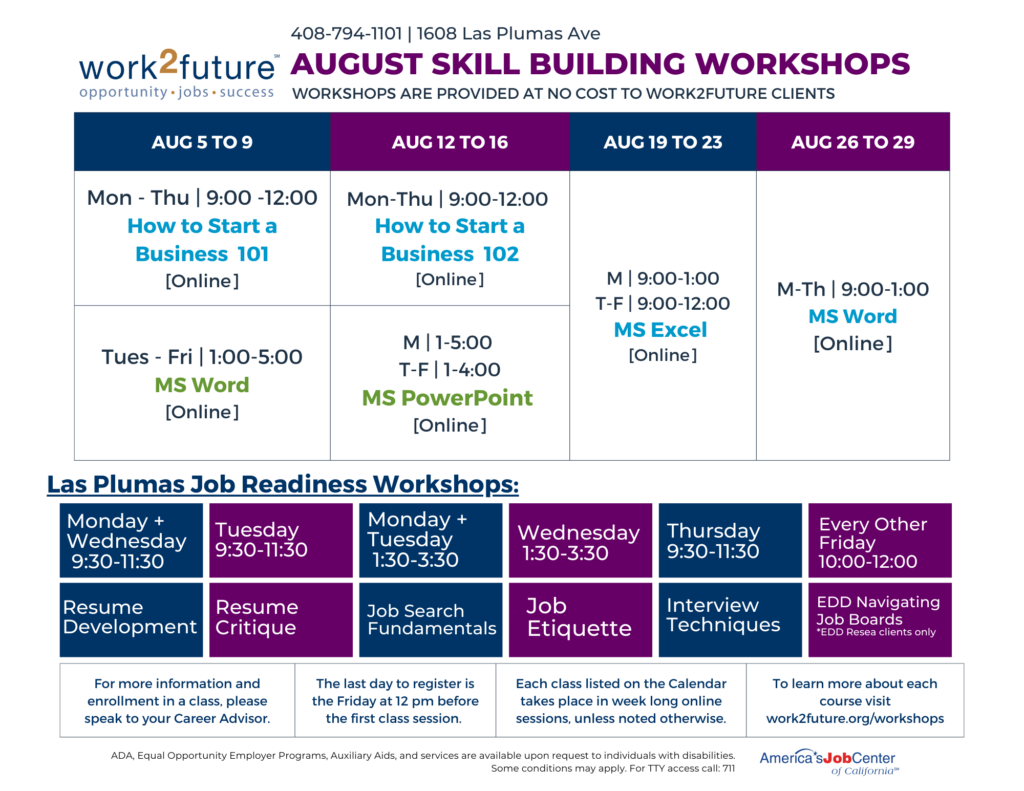
Participating in career workshops regularly can significantly enhance professional growth and open new avenues for advancement. To maximize the benefits of these sessions, it is crucial to identify workshops that are most aligned with your career goals and skill development needs. This involves assessing various factors such as content relevance, expertise of speakers, and the workshop format.
Choosing the right workshops requires a strategic approach that considers your current skills, industry trends, and personal development objectives. By systematically evaluating available options, you ensure that your time and effort are invested in sessions that offer the highest potential for growth and tangible benefits.
Comparing Different Types of Career Workshops Relevant to Various Industries
To facilitate informed decision-making, a comparative analysis of common career workshops across industries is essential. The following table highlights key features of workshops tailored to diverse professional sectors:
| Industry | Workshop Type | Focus Areas | Typical Format | Target Audience |
|---|---|---|---|---|
| Technology | Technical Skills & Coding Bootcamps | Programming languages, software development, cybersecurity | Hands-on labs, coding sessions, webinars | Developers, IT professionals, students |
| Business & Management | Leadership & Management Seminars | Team leadership, strategic planning, project management | Lectures, case studies, interactive workshops | Aspiring managers, team leaders, entrepreneurs |
| Creative Industries | Portfolio & Creative Skill Workshops | Design techniques, portfolio development, branding | Practical exercises, peer reviews, presentations | Designers, artists, content creators |
| Healthcare | Clinical Skills & Continuing Education | Latest medical practices, patient care, regulatory updates | Lectures, simulations, certification courses | Medical professionals, nurses, technicians |
| Finance | Financial Analysis & Compliance Workshops | Financial modeling, regulatory frameworks, risk management | Case analyses, simulations, panel discussions | Accountants, financial analysts, auditors |
Evaluating workshop content involves reviewing the curriculum to ensure it covers topics pertinent to your skill gaps and career aspirations. The expertise of speakers is equally important; seasoned industry professionals or recognized thought leaders can provide valuable insights and credible guidance. The workshop format should align with your learning preferences—whether interactive, practical, or theoretical—to maximize engagement and retention.
Criteria for selecting workshops include:
- Content relevance to your career path and skill development needs
- Expertise and reputation of the speakers
- Interactive elements that promote active learning
- Format compatibility with your learning style and schedule
- Positive feedback and reviews from past participants
Aligning workshop choices with these criteria ensures that each session contributes meaningfully to your professional growth and helps you acquire practical skills applicable to your industry.
Efficient Preparation for Multiple Workshops

Attending two career workshops each month requires strategic planning to ensure maximum learning and resource utilization. Proper preparation not only boosts confidence but also enhances the overall value gained from each session. By implementing systematic procedures, individuals can stay organized, focused, and proactive in their professional development efforts, making each workshop a meaningful step toward their career goals.Effective preparation involves structured research, meticulous planning of materials, and strategic note-taking.
This approach ensures that participants are well-equipped to engage meaningfully with the content, ask relevant questions, and retain valuable insights for practical application. Developing consistent routines and utilizing checklists can streamline the pre-workshop phase, allowing for a more productive and less stressful experience.
Pre-Workshop Research Procedures
Having thorough background knowledge before attending a workshop significantly enhances comprehension and engagement. The following steps facilitate efficient pre-workshop research:
- Review the workshop agenda and identify key topics, objectives, and speakers involved. This provides clarity on what to expect and areas to focus on.
- Examine related materials or previous sessions, if available, to establish foundational knowledge. Accessing articles, reports, or videos related to the workshop theme can deepen understanding.
- Research speakers and their expertise to tailor questions and identify specific areas of interest. Recognizing their background helps in formulating insightful queries and understanding their perspectives.
- Identify current trends, challenges, and opportunities within the industry relevant to the workshop topics. This contextual knowledge enables more active participation and meaningful dialogue.
“Pre-workshop research transforms passive attendance into active learning, fostering deeper engagement and knowledge retention.”
Designing Preparation Checklists
Creating comprehensive checklists ensures all necessary materials, questions, and goals are prepared in advance. This systematic approach minimizes oversights and enhances focus during the workshops.
| Checklist Component | Description |
|---|---|
| Materials Needed | Notebook, pens, digital device, workshop handouts, and any pre-assigned reading materials. |
| Specific Questions | List of prepared questions based on pre-workshop research to clarify doubts or explore topics in depth. |
| Goals and Objectives | Clear personal objectives for each workshop, such as networking goals, skill acquisition, or understanding specific concepts. |
| Technical Setup | Ensure necessary software or platforms are installed and functioning if the workshop is virtual, including testing audio, video, and internet connection. |
“Well-crafted checklists serve as roadmaps, guiding participants through each stage of preparation and ensuring no critical element is overlooked.”
Strategies for Note-Taking and Resource Gathering
Effective note-taking during workshops maximizes retention and facilitates future reference. Coupled with strategic resource gathering, these techniques convert live learning into a rich repository of knowledge.In each session, adopt methods suited to your learning style, such as the Cornell note-taking system, mind mapping, or digital notes. During the workshop, focus on key points, insights, and action items, resisting the urge to transcribe verbatim.
Highlight or annotate points that merit further exploration post-session.Post-workshop, organize gathered resources—such as slides, handouts, or recording snippets—into categorized folders or digital platforms. Summarize main ideas, add personal reflections, and compile actionable steps to reinforce learning and aid implementation.
“Strategic note-taking and resource management turn transient workshop experiences into valuable assets for ongoing professional growth.”
Effective Time Management Techniques

Maintaining a consistent schedule of attending two career workshops each month requires disciplined time management. By integrating these workshops seamlessly into weekly routines, individuals can maximize their learning opportunities without compromising other responsibilities. Implementing practical strategies ensures that attending workshops becomes a productive and stress-free part of your professional development plan.Effective time management involves deliberate planning and the use of various tools to allocate sufficient time for workshops while balancing daily tasks.
It enables attendees to stay organized, reduces last-minute stress, and ensures they derive maximum value from each session. Adopting these techniques can significantly enhance the overall experience and facilitate continuous learning.
Integrating Workshop Schedules into Weekly Routines
To effectively incorporate workshops into weekly agendas, using digital calendars or scheduling apps is highly recommended. These tools provide visual clarity and enable real-time updates, helping you stay aware of upcoming sessions. Setting reminders a few days in advance ensures preparedness and prevents scheduling conflicts. Establishing a recurring weekly review of your calendar helps identify the most suitable days and times for workshops, ensuring consistency.Additionally, blocking dedicated time slots in your calendar for workshop preparation and reflection helps to establish a routine.
For example, designating Wednesday afternoons for workshop preparation and review can create a predictable pattern, making attendance habitual and less prone to oversight.
Prioritizing Workshops and Managing Overlapping Sessions
Prioritization is essential when multiple workshops are scheduled concurrently or in close succession. Creating a visual schedule, such as a weekly planner or color-coded calendar, helps identify overlaps and assess the importance of each session. Factors to consider include the relevance of the workshop content to your career goals, the credibility of the presenter, and the potential networking opportunities.In cases where sessions overlap, consider strategies such as attending different segments of each workshop, reviewing recordings if available, or requesting notes from colleagues who attend.
Allocating specific time blocks to each session and sticking to them prevents overcommitment and ensures active participation. Regularly reviewing your priorities ensures that your focus remains aligned with your career development objectives.
Tips for Avoiding Burnout While Attending Two Workshops Monthly
Sustaining the energy and enthusiasm necessary for frequent workshop attendance demands mindful practices to prevent burnout. It is important to recognize the signs of fatigue and proactively address them through various techniques. Ensuring adequate rest, maintaining a balanced diet, and incorporating regular physical activity contribute significantly to sustaining mental alertness and motivation.Scheduling breaks between workshops allows time for reflection, assimilation of new information, and relaxation.
Incorporating leisure activities or hobbies into your routine helps to recharge mentally and emotionally. Additionally, setting realistic expectations and celebrating small achievements foster a positive attitude and reinforce your commitment to professional growth. Developing a supportive network with fellow attendees provides encouragement and shared insights, making the experience more enjoyable and sustainable.
Networking and Engagement During Workshops
Effective participation in career workshops extends beyond simply attending; it involves actively engaging with peers and facilitators to build meaningful professional relationships. Such engagement enhances learning experiences, opens avenues for future collaborations, and broadens your industry connections. Developing a strategic approach to networking during these sessions can significantly amplify your career development efforts and foster long-term professional growth.Engaging actively during workshops requires a combination of attentive participation, thoughtful communication, and strategic follow-up.
This involves asking insightful questions, sharing relevant experiences, and contributing to group discussions in a manner that reflects genuine interest and professionalism. These actions position you as an engaged participant and can spark conversations that lead to valuable connections. Moreover, exhibiting enthusiasm and openness encourages fellow attendees to engage with you, creating a collaborative environment conducive to relationship building.
Building Connections During Workshops
Creating meaningful relationships during workshops involves deliberate strategies to connect with peers and facilitators alike. Approaching others with a friendly demeanor, maintaining eye contact, and showing genuine interest in their perspectives foster a welcoming atmosphere. When participating in breakout sessions or group activities, actively listen and contribute thoughtfully, demonstrating your commitment and expertise.
Using open-ended questions and sharing insights related to the workshop topics encourages dialogue and helps establish rapport. For example, after a session on industry trends, asking a fellow attendee about their experiences implementing similar strategies can open pathways for future communication. Remember that authentic engagement often leads to stronger professional bonds than superficial interactions.
Follow-Up Actions to Strengthen Relationships
Post-workshop follow-up is crucial for transforming initial contacts into enduring professional relationships. Sending personalized connection requests on platforms like LinkedIn, referencing specific discussions or shared interests during the workshop, reinforces your intent to maintain the relationship. For example, a message such as, “It was great discussing digital marketing strategies with you during the workshop. I’d love to stay connected and exchange ideas,” demonstrates genuine interest.
Additionally, sharing relevant articles, inviting contacts to future events, or offering assistance with their projects sustains engagement. Keeping in touch periodically through brief messages or sharing congratulatory notes on recent achievements nurtures the relationship without overwhelming the contact. These consistent, thoughtful follow-ups demonstrate your professionalism and commitment to mutual growth.
Maintaining Engagement Without Sacrificing Productivity
Balancing active engagement during workshops with ongoing professional responsibilities requires strategic planning and efficient communication. Scheduling dedicated time for workshop participation ensures full focus without encroaching on other work commitments. Employing techniques such as setting specific goals for each session—like connecting with at least two new contacts—can help maintain productivity while maximizing networking opportunities.
Utilizing digital tools to organize contacts and follow-up actions streamlines relationship management. For instance, maintaining a spreadsheet or CRM system to track interactions and planned outreach helps prevent important follow-ups from slipping through the cracks. During workshops, it’s also beneficial to be selective about engagement—prioritizing connections that align with your career goals ensures your efforts are targeted and impactful.
Incorporating brief, structured reflection periods post-workshop allows you to consolidate learning and plan subsequent engagement activities. By integrating these practices into your routine, you can foster meaningful professional relationships while managing your other responsibilities effectively.
Utilizing Workshop Content for Career Advancement

Effectively leveraging insights gained from career workshops is crucial for translating knowledge into tangible career growth. Organizing, documenting, and applying workshop learnings ensures continuous development and strategic progress toward professional goals. This process involves systematic recording of key takeaways, transforming these insights into actionable plans, and tracking ongoing progress to maximize the benefits of participation in each workshop.To make the most of each workshop, individuals should establish structured methods for capturing valuable information, converting acquired skills into practical applications, and maintaining a clear overview of their developmental journey.
Employing tools such as tables, templates, and progress trackers enhances clarity and accountability, ultimately accelerating career advancement.
Organizing and Documenting Insights from Workshops
Maintaining organized records of workshop insights is essential for easy reference and effective application. A well-structured documentation system enables professionals to revisit key points, track recurring themes, and identify areas for further development. Utilizing tables to log learnings provides a clear and accessible format for consolidating information.The following table demonstrates an effective way to categorize workshop insights:
| Workshop Topic | Date | Key Takeaways | Skills Gained | Action Items | Follow-up Date |
|---|---|---|---|---|---|
| Networking Strategies | 2024-03-15 | Building authentic relationships, effective elevator pitches | Communication, Relationship Building | Practice pitch with colleagues, attend industry events | 2024-04-15 |
| Resume Optimization | 2024-04-10 | Highlighting achievements, tailoring for roles | Writing, Personal Branding | Update resume, seek feedback from mentors | 2024-04-25 |
Consistent documentation transforms fleeting knowledge into a strategic asset that drives career decisions and growth.
Transforming Workshop Learnings into Actionable Career Plans
Converting insights into concrete steps ensures that workshop participation leads to measurable progress. This involves analyzing key insights to identify relevant opportunities, setting specific goals, and developing detailed action plans aligned with long-term career objectives.Effective methods include creating SMART (Specific, Measurable, Achievable, Relevant, Time-bound) goals derived from workshop learnings. For example, if a workshop emphasized the importance of networking, an actionable plan might involve reaching out to five new contacts within a month or attending a designated industry event.
Regularly reviewing these plans helps to maintain momentum and adapt strategies based on ongoing experiences.The following template supports this process:
Career Workshop Action Plan Template
- Workshop Title: _________________________________________
- Date: _________________________________________
- Key Insights: _________________________________________
- Goals: _________________________________________
- Goal 1: _________________________________________
- Goal 2: _________________________________________
- Specific Actions: _________________________________________
- Action 1: _________________________________________
- Action 2: _________________________________________
- Target Completion Date: _________________________________________
- Progress Tracking: _________________________________________
Translating insights into structured plans ensures continuous growth and tangible career advancements.
Tracking Progress and Applying New Skills
Monitoring ongoing progress and applying newly acquired skills are vital for sustained career development. Implementing templates and progress trackers helps individuals evaluate their advancement, identify challenges, and celebrate milestones.A practical approach involves regular review sessions using a personalized progress tracker. This could be a digital or physical document listing skills to be mastered, milestones achieved, and areas needing improvement. For instance, after attending a workshop on digital marketing, a professional might track the completion of an online certification, implementation of new strategies in their role, and feedback received from peers or supervisors.Sample progress tracking template:
Skills Application and Progress Tracker
Skill or Knowledge Area Workshop Attended Initial Proficiency Level Application in Work Progress Status Next Steps Public Speaking Effective Communication Workshop Beginner Delivered a team presentation Intermediate Join Toastmasters, lead a workshop Data Analysis Advanced Excel Skills Basic Created reports for quarterly review Proficient Train team members, automate processes
Consistent application and tracking of new skills facilitate measurable growth and boost confidence in professional capabilities.
Overcoming Challenges in Attending Two Workshops Monthly
Maintaining a consistent schedule of attending two career workshops each month can significantly enhance professional development. However, individuals often face various obstacles that may hinder their ability to participate fully. Recognizing these challenges and implementing effective strategies is essential for sustaining engagement and maximizing benefits from workshop participation.Addressing these common obstacles involves understanding their roots and applying tailored solutions. Time constraints, resource limitations, and motivation issues are frequently encountered hurdles.
By proactively managing these challenges, professionals can create a sustainable routine that aligns with their career goals and personal circumstances.
Managing Time Constraints Effectively
Time constraints remain one of the most prevalent barriers to attending multiple workshops each month. Balancing work responsibilities, personal commitments, and ongoing professional development requires strategic planning.
To mitigate time-related challenges, individuals should prioritize workshops based on relevance to their career objectives and schedule sessions during periods of lower workload or at times that least disrupt their daily routines. Utilizing digital calendars with reminders ensures dedicated time slots are reserved, reducing the likelihood of conflicts.
Additionally, incorporating flexibility by opting for recorded sessions or asynchronous content allows learners to engage at their convenience. This approach enables participation without compromising essential responsibilities, making it easier to maintain a consistent workshop schedule.
“Effective time management is not about finding more hours in the day but making smarter choices to allocate time for professional growth.”
Overcoming Resource Limitations
Limited access to financial or technological resources can hinder attendance at multiple career workshops. Challenges may include workshop fees, internet connectivity issues, or lack of appropriate devices.
To address financial constraints, seeking out free or low-cost workshops through professional associations, community groups, or industry networks can be advantageous. Many organizations also offer sliding scale fees or scholarships for eligible participants.
In cases of technological limitations, exploring alternative access points such as public libraries, community centers, or utilizing mobile devices can ensure consistent connectivity. Preparing in advance by downloading materials or recordings when available helps maintain engagement despite resource limitations.
“Leveraging community resources and free platforms can significantly expand access to valuable professional development opportunities.”
Maintaining Motivation and Engagement
Motivation can fluctuate over time, especially when juggling multiple commitments. This can lead to decreased participation or superficial engagement in workshops.
To sustain motivation, setting clear goals that align with long-term career aspirations helps reinforce the value of attending workshops. Tracking progress and recognizing achievements fosters a sense of accomplishment that fuels ongoing participation.
Engaging actively during sessions by asking questions, participating in discussions, and connecting with peers enhances the learning experience and encourages continued involvement. Establishing accountability partners or joining professional networks creates a support system that motivates regular attendance.
“Consistent engagement and clear objectives transform workshop participation from a task into a strategic step toward career growth.”
Final Wrap-Up
Incorporating two career workshops into your monthly routine is an achievable goal that can propel your professional journey forward. With thoughtful scheduling, active participation, and strategic follow-up, you can transform these experiences into tangible growth and new opportunities. Embrace these techniques to stay motivated and continuously enrich your career path.